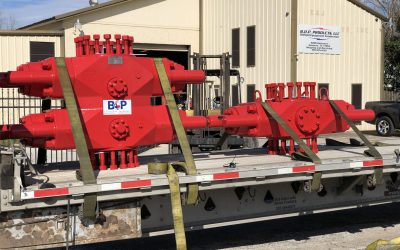
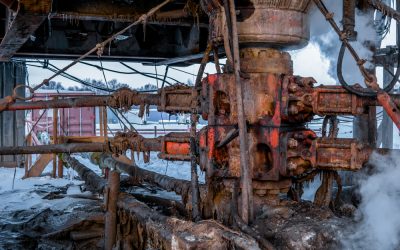
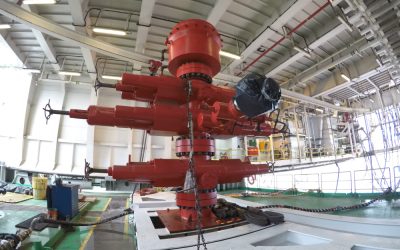
Keeping your oil well’s blowout preventer clean may seem like a secondary issue, but dirt on a BOP is just as crucial a safety issue as clearing debris. Built-up grime in a BOP can allow valves to blow and cause a disaster. Consequently, taking the time to clean your blowout preventer can prevent a serious situation later on.
However, cleaning a BOP involves more care and hard work than just mopping the floor. Between rock debris and fine metal shavings, there’s plenty of semi-hazardous buildup to remove. Remember to exercise caution as you clean your BOP and prepare to use it again.
Your blowout preventer needs cleaning as much as the rest of your oilfield equipment does. Learn more about safely cleaning BOPs here! Share on XWhen Should You Clean Your BOP?
Depending on how quickly your BOP accumulates debris, you may be able to go a little while without cleaning it. However, you should always set up a schedule to clean the BOP thoroughly on a semi-regular basis to prevent any malfunctions. Additionally, make sure to perform a special cleaning in these scenarios:
- Before a BOP test
- Before production
- After altering the BOP casing
- During a well abandonment project
Cleaning Equipment for Blowout Preventers
While you don’t always have to remove your blowout preventer and clean it yourself, it does allow you to do a more thorough job. Either way, you’ll absolutely need the proper cleaning equipment. For instance, a crucial piece of machinery for cleaning BOPs is a downhole magnet, a device designed to collect metal shavings from every cavity. Regardless of what other equipment works well with your blowout preventer, a downhole magnet is a mandatory addition to your collection.
Pro Tip: Metal shavings can collect around your blowout preventer’s rubber sealing and cause abrasion, which can lead to pressure leaks. Use a downhole magnet to make sure this doesn’t happen!
What Can You Expect to Find in Your BOP?
Drilling straight through solid rock means your BOP will accumulate dirt, sand, and rock debris over time. As mentioned earlier, the grinding and drilling process also produces tiny metal shavings. This unpleasant mixture can lodge itself into any BOP cavity or seal it finds, producing even more damage and debris to deal with later. While most of the debris you’ll find isn’t especially dangerous on its own, if it’s left in the blowout preventer for too long, you’ll notice a definite decline in functionality. Don’t let it get to that point!
Maintaining a Safe, Clean Blowout Preventer
When it’s time for the next safety inspection at your oil well, don’t forget to inspect and clean your BOP too. Removing potentially dangerous debris will keep your entire workplace safe and allow you to continue using the same blowout preventer for a good while.
Connect with us to learn more about keeping your BOPs clean, safe, and up to your standards!