If you’ve never operated an oil rig before, you might wonder, “What is a kill line on an oil rig?” Kill lines are essential in maintaining the safety of workers during oil drilling. For that reason, everyone who plans to operate an oil rig must know how kill lines work and the benefits. Thankfully, this guide explores everything you should know about kill lines.
So, what is a kill line on an oil rig? A kill line is a high-pressure line that connects the mud pump and the well. It allows the drilling fluid to get pumped into the well to control a looming blowout. The kill line is usually connected below the BOP for efficient oil well control operations. Its other name is the choke line.
What is a kill line on an oil rig? Learn what it is and how it works during oil and gas drilling operations. Share on XLet’s look at the anatomy of the BOP stack and the role of a kill line in a BOP stack.
BOP Stack Anatomy
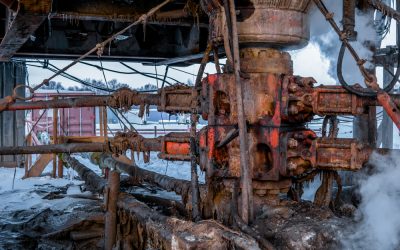
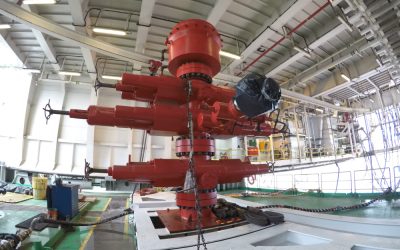
A BOP stack comprises assembled drilling-control equipment connected to the top of a casing head. It consists of two or more units that help to control well pressure, contain the wellhead, and hold blowout preventers in place. Some components of the BOP stack include an annular preventer, a drilling spool, a pipe ram preventer, a blind ram preventer, and a kill line.
Kill Line AKA Choke Line
Also known as the choke line, a kill line can help watch the wellbore’s pressure. If the pump attains a kill speed, the kill line pressure remains constant at the surface. As a result, there will be no pressure loss in this line since no mud circulates through it. But, if there’s a potential blowout in the wellbore, the kill lines control the pressure back to normal.
Blowout Preventer Role in Oil Industry
A blowout preventer (BOP) helps to prevent potential blowouts during oil and gas drilling. Oilfield operators use the equipment to seal, control, and monitor wellbores to avoid the uncontrolled release of natural gas or crude oil from the well. These blowout preventers get installed in stacks to ensure they are highly efficient and functional.
BOP Products Can Help
So far, you can answer the question, “What is a kill line on an oil rig?” A kill line helps to control pressure in an oil well when used with a blowout preventer. However, you need high-quality blowout preventers to achieve better safety results. The good news is that you can source high-performance blowout preventers at BOP Products at better prices.
Contact us to learn more information about kill lines and blowout preventers.