If you’re a stakeholder or work in the oil and gas world, you need a clear view of all the offshore drilling pros and cons. As global demand grows, more countries near oceans are shifting from onshore to offshore drilling to increase supply. This shift brings both economic benefits and environmental responsibilities.
Offshore drilling pulls fossil fuels from deep below the ocean floor. The seabed holds massive oil reserves, but finding those reserves and installing a working rig on the water isn’t simple. The setup takes time, money, and skilled workers, which is why offshore projects often come with higher economic risks.
Offshore drilling can boost entire economies, but it can also harm the environment if it’s not managed carefully. Here’s a clear breakdown of both sides.
Offshore drilling is beneficial but can also be detrimental to the environment if done irresponsibly. Learn all the offshore drilling pros and cons. Share on XWhat is Offshore/Deepwater Drilling?
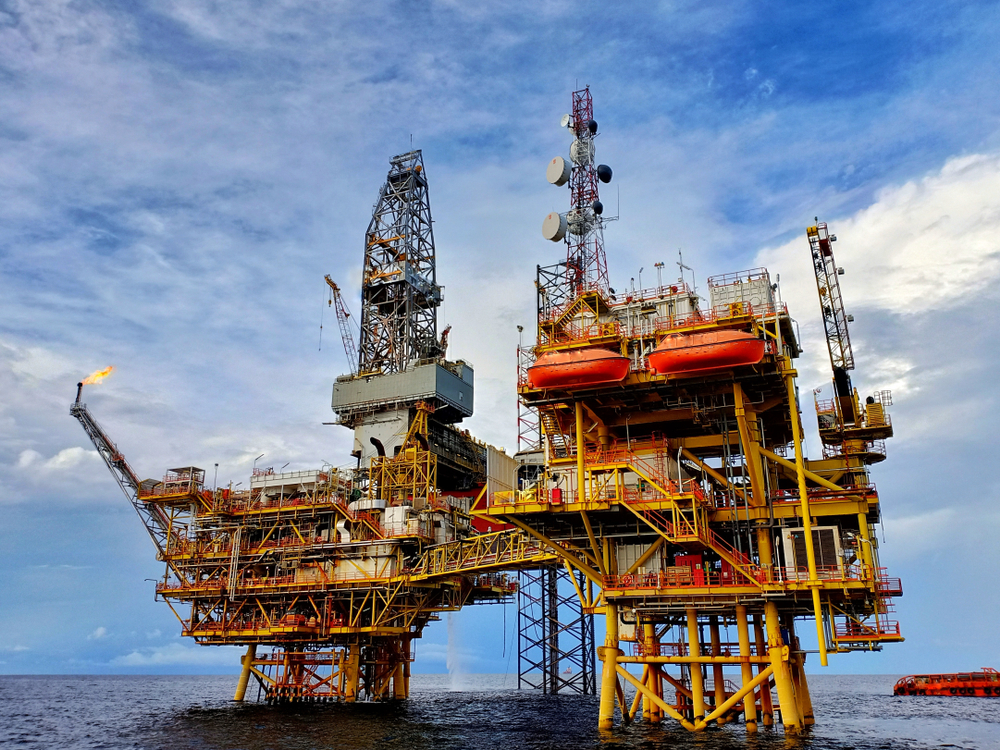
Offshore drilling is the process of extracting oil and gas from reservoirs beneath the ocean bed. Rigs are built on the water’s surface and hold the tools and crews needed to drill into the seabed. These rigs can raise and lower drill pipes during operations and support the flow of production.
Offshore Drilling Rigs Pros
Here are the advantages of offshore oil drilling.
- Increases Oil Production: Offshore technology has opened access to huge oil reserves, pushing production levels high enough to help meet global demand. This added supply also stabilizes markets during price swings, which supports economic growth.
- Promotes Energy Independence: Offshore drilling lets countries develop their own resources instead of relying heavily on imports. This reduces economic vulnerability and helps control domestic energy costs.
- Encourages Economic Growth: Offshore projects create jobs for local workers, generate revenue for governments, and attract investments that help developing countries grow. Ports, refineries, and coastal communities often benefit from the added economic activity.
Offshore Drilling Rigs Cons
Here are the drawbacks of offshore oil drilling.
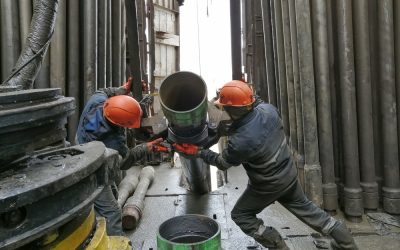
- Costly and Potentially Dangerous: Offshore drilling requires expensive equipment, large crews, and constant maintenance. Unexpected delays, harsh weather, and technical failures can increase operating costs fast. Workers also face risks due to high-pressure systems and tough offshore conditions.
- Numerous Environmental Damages: Offshore drilling can harm the environment through routine emissions, noise disruption, and waste discharge. Oil spills are the most damaging, spreading quickly across the water and hurting marine life, reefs, fisheries, and coastal economies. Cleanup efforts can take months or even years and cost millions.
Safety is a Priority
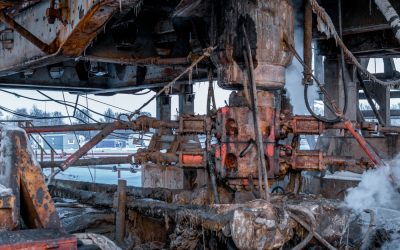
It’s good to know the offshore drilling pros and cons, especially the economic opportunities and environmental risks. Because offshore drilling involves high pressure and unpredictable conditions, safety always needs to come first. Blowout preventers (BOPs) help control wells and reduce the risk of blowouts that could cause injuries, economic losses, and environmental damage.
BOP Products provides safe, reliable, high-quality BOPs for offshore operations.
Contact us today for dependable and affordable BOP equipment.