Finding and producing oil is a complex process that requires specialized equipment at every step. According to the International Energy Agency, the global oil and gas industry invests billions of dollars annually in exploration and production equipment to maintain efficiency and safety. Without the right tools, locating reserves, drilling wells, and processing crude oil can become risky, expensive, and inefficient.
Exploration, drilling, and production involve precise machines and systems designed to handle high pressures, harsh environments, and strict safety standards. From seismic survey instruments to drilling rigs, pumps, and storage tanks, each tool has a critical role in ensuring smooth operations.
In this blog, we break down the key equipment used at every stage of the oil extraction process. You will learn what each tool does, why it matters, and how modern oilfield technology keeps operations safe, efficient, and compliant with regulations.
Key Takeaways
- Oil production depends on the right equipment at every stage, from exploration to transportation
- Exploration tools help companies find oil before investing in drilling
- Drilling and well equipment are designed to handle high pressure and keep crews safe
- Processing and storage equipment prepare oil for safe transport to refineries
- Reliable oilfield equipment improves safety, efficiency, and compliance
Exploration and Survey Equipment
Before a single well is drilled, oil companies need solid evidence that a location is worth the investment. This phase focuses on understanding what lies below the surface and whether the geology supports long-term production.
Seismic survey equipment is one of the most important tools at this stage. These systems send controlled sound waves into the ground and record how the waves reflect from different rock layers. By studying these reflections, geologists can identify structures that commonly trap oil and gas. It is similar to creating an underground map without disturbing the surface.
Once seismic data is collected, geological mapping and analysis tools take over. Specialized software combines seismic results with satellite imagery and rock samples to estimate reservoir size, depth, and expected output. In practice, this helps operators avoid drilling in areas that look promising on the surface but lack the right underground conditions. Using these tools together reduces financial risk and improves decision-making before drilling begins.
According to the U.S. Energy Information Administration, oil production involves multiple stages, including exploration, drilling, well completion, and surface processing, each requiring specialized equipment designed to manage pressure, flow, and safety risks.
Drilling Equipment Used to Access Oil
After a site shows strong potential, drilling equipment is brought in to reach the reservoir safely. This stage requires both power and precision, as mistakes can damage equipment or put crews at risk.
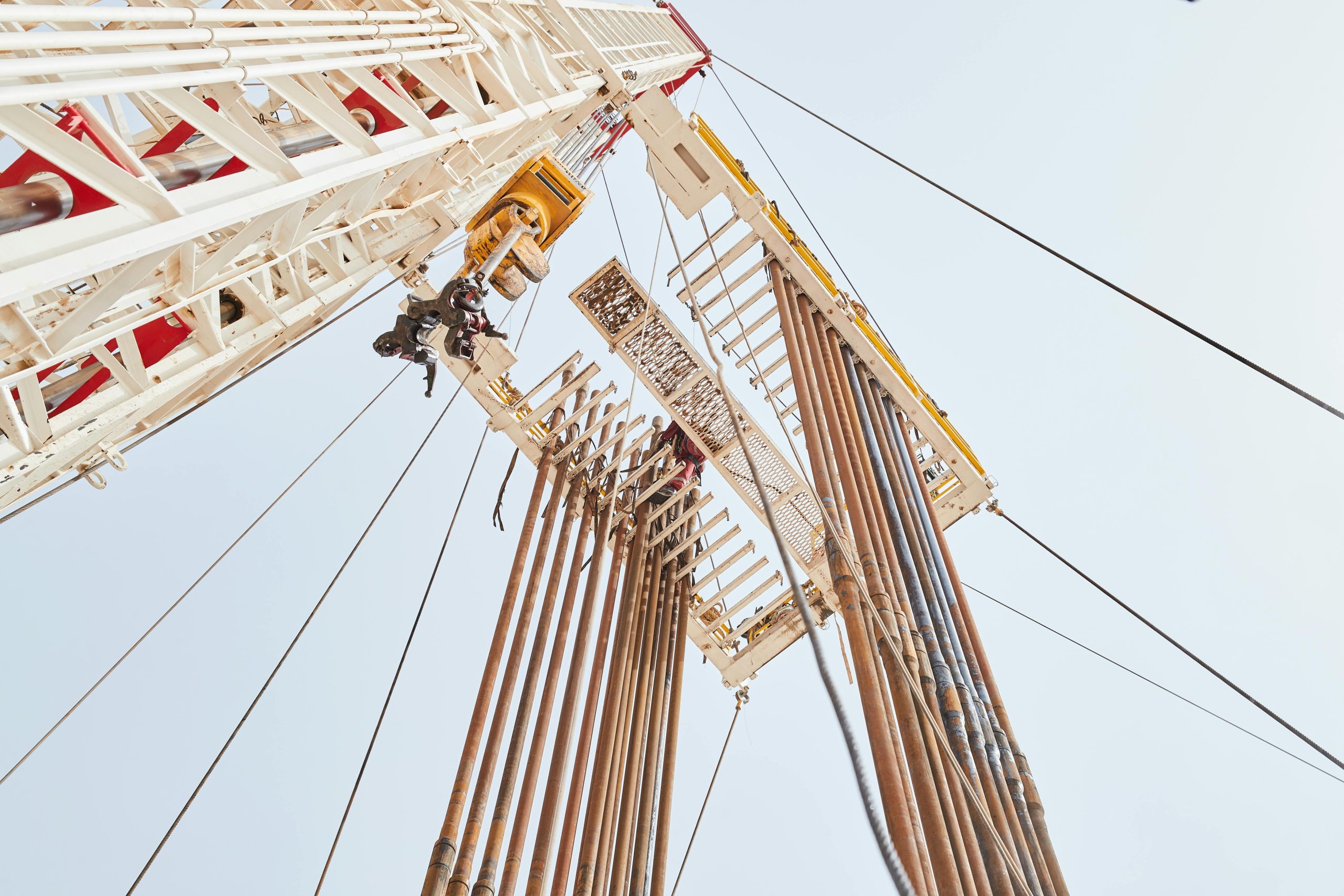
Drilling rigs serve as the foundation of the operation. Onshore rigs are set up directly over the well site and support drilling, fluid circulation, and pressure control systems. Offshore rigs are built to operate in rough seas and harsh weather, making them some of the most complex structures in the industry.
Drill bits, drill pipes, and mud systems work together throughout the drilling process. Drill bits cut through layers of rock, with different designs used for different formations. Drill pipes connect the bit to surface equipment and allow operators to control depth and direction. Drilling mud circulates continuously through the well to cool the bit, carry cuttings to the surface, and keep underground pressure balanced.
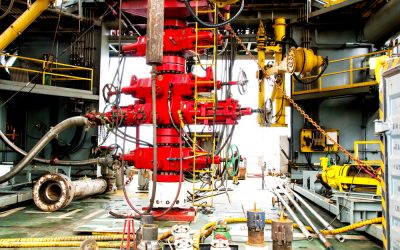
Safety systems are critical during drilling. Blowout preventers, control valves, and pressure monitoring equipment help crews respond quickly if pressure changes unexpectedly. These systems are designed to prevent uncontrolled releases of oil or gas and keep drilling operations stable.
Well Completion and Production Equipment
Reaching the target depth does not mean a well is ready to produce. Additional equipment is installed to strengthen the well, manage pressure, and support consistent oil flow over time.
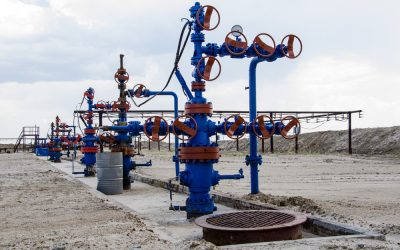
Casing and cementing systems are installed first. Steel casing lines the wellbore and is cemented in place to stabilize the structure and isolate different underground formations. This protects groundwater and prevents fluids from migrating where they should not. At the surface, the wellhead supports the casing and gives operators control over pressure and flow.
In many cases, oil does not flow to the surface on its own. When reservoir pressure drops, artificial lift systems are used. Pump jacks and electric submersible pumps provide the force needed to move oil steadily to the surface, even as conditions change over the life of the well.
Valves and pressure control devices allow operators to fine-tune production. These components help regulate flow rates, isolate sections of the well for maintenance, and shut down operations if conditions become unsafe.
Oil Processing and Separation Equipment
Oil produced from a well often contains water, gas, and solid particles that must be removed before transport.
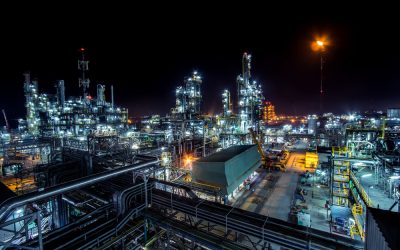
Separators are typically the first processing equipment used. They rely on gravity and pressure differences to separate oil, gas, and water into distinct streams. In colder environments or when handling heavier crude, heaters are added to reduce oil thickness and improve separation efficiency.
Additional water and gas removal systems are often required to meet pipeline and storage standards. Proper processing at this stage helps prevent corrosion, flow problems, and environmental issues later in the supply chain.
Storage and Transportation Equipment
After processing, oil must be stored and transported safely to refineries or distribution facilities.
Storage tanks at production sites hold crude oil temporarily before shipment. These tanks are designed for large volumes and monitored closely to prevent leaks or overflows. Pipelines are commonly used for long-distance transport because they offer a steady flow and reduce handling risks.
When pipelines are not available, oil is transported by tanker trucks, railcars, or marine tankers. Trucks are often used for short distances, rail systems for regional transport, and marine tankers for offshore or international movement. Each method requires strict safety procedures to protect people and the environment.
Safety, Monitoring, and Environmental Equipment
Safety systems are essential at every stage of oil extraction. Blowout preventers act as a last line of defense by sealing the well if pressure rises unexpectedly. Gas detection systems continuously monitor for dangerous gases and alert crews before conditions become hazardous.
Environmental protection equipment is equally important. Spill containment tools, barriers, and monitoring sensors help operators respond quickly to leaks and limit environmental damage. These systems also support compliance with environmental regulations and responsible operations.
Equipment That Supports Safe and Efficient Oil Extraction
Reliable oilfield equipment plays a critical role in maintaining safety, efficiency, and regulatory compliance throughout oil extraction operations. From exploration and drilling tools to processing, storage, and safety systems, the right equipment helps protect workers, reduce downtime, and support consistent performance at every stage of production.
As a supplier of oilfield equipment, we provide dependable solutions designed to meet industry standards for safety, durability, and operational efficiency across exploration, drilling, production, and processing environments.
Looking for high-quality oilfield equipment to support your operations? Contact our team to access trusted solutions, industry expertise, and equipment designed to perform in demanding oilfield environments.