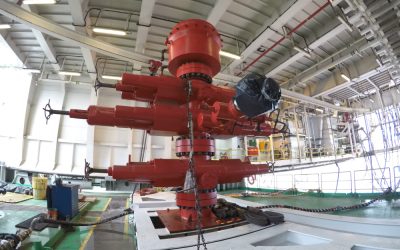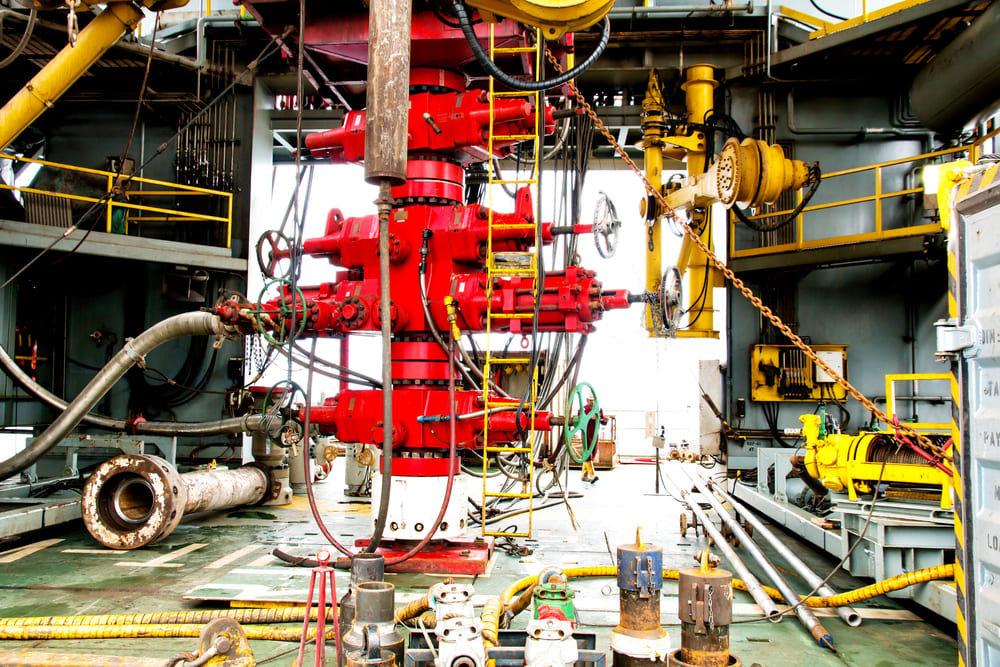
In the oil and gas industry, blowout preventers (BOPs) are critical safety systems. They control sudden pressure during drilling and help stop dangerous blowouts. These systems protect workers, equipment, and the environment.
When a BOP fails, the consequences can be serious. Drilling operations may stop, equipment can be damaged, and safety risks increase.
That is why regular maintenance and certified repair are essential. API-certified BOP repair ensures pressure control equipment meets strict industry standards. Certified repair services help operators reduce downtime, improve safety, and extend equipment life. With proper maintenance, BOP systems can continue operating safely and effectively during high-pressure drilling operations.
Key Takeaways
- API-certified BOP repair helps maintain safe and reliable well control
- Routine inspections prevent costly failures and drilling delays
- Remanufacturing restores worn BOP equipment to near-original performance
- Early detection of leaks, corrosion, or pressure issues prevents major failures
- Working with certified repair specialists ensures compliance with API standards
What Is API Certified BOP Repair?
API-certified BOP repair plays an essential role in maintaining safe drilling operations. It ensures blowout preventers remain reliable under high-pressure conditions. It involves servicing blowout preventers according to standards set by the American Petroleum Institute (API).
BOP Products LLC operates under multiple API certifications that verify its ability to manufacture, repair, and remanufacture critical well control equipment according to strict industry requirements. These certifications include API Spec 16A for drilling-through equipment and API 16AR for the repair and remanufacture of pressure control equipment. Achieving these certifications is a significant milestone because it confirms that BOP Products LLC meets the American Petroleum Institute’s standards for quality management, testing procedures, traceability, and documentation throughout the repair and manufacturing process.
These standards define how pressure control equipment should be:
- inspected
- repaired
- tested
- documented
API guidelines help ensure BOP systems operate safely in drilling environments. They also create consistent repair procedures across the oil and gas industry.
The goal of certified repair is straightforward: restore the equipment to a safe operating condition. During the repair process, technicians follow strict inspection and testing procedures to confirm that the BOP can handle high-pressure drilling environments.
Typical repair procedures include:
- Complete disassembly and inspection
- Replacement of worn or damaged components
- Precision machining and rebuilding
- Pressure testing and functional verification
- Certification and documentation
Following these procedures improves equipment reliability and helps operators meet regulatory requirements. Proper certified maintenance also helps extend the service life of critical well control equipment.
Why BOP Repair and Remanufacturing Are Critical
Blowout preventers operate in extremely demanding environments. They must handle high pressure, heavy mechanical loads, and constant exposure to drilling fluids.
Over time, parts such as seals, rams, and valves begin to wear. If maintenance is delayed, worn components can lead to pressure loss or system failure. Certified BOP repair and remanufacturing help prevent these problems and restore equipment to safe working condition.
Professional repair services help operators:
- Prevent unexpected equipment failures
- Maintain safe well control
- Reduce costly drilling downtime
- Extend equipment lifespan
- Maintain regulatory compliance
Routine maintenance protects both personnel and valuable drilling assets. It also ensures that well control equipment performs safely during critical drilling operations.
Key Signs a Blowout Preventer Needs Repair
Early detection is essential for preventing major equipment failures. Operators should regularly monitor BOP systems for signs of wear or declining performance.
Common warning signs include:
- Hydraulic leaks or pressure loss
- Slow or inconsistent RAM movement
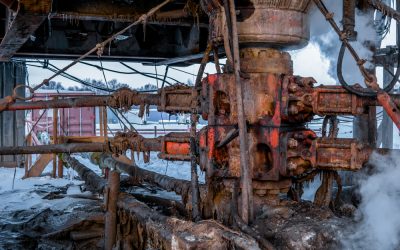
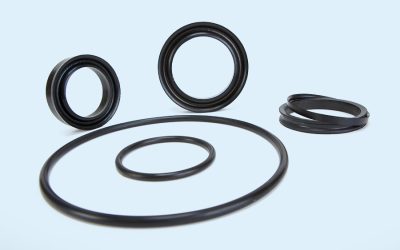
- Visible wear on seals or internal components
- Failed pressure tests
- Excessive corrosion or surface damage
If any of these issues appear, repairs should be scheduled quickly. Prompt service prevents additional damage and helps maintain safe drilling operations.
The BOP Remanufacturing Process
Remanufacturing goes beyond standard repairs. The process restores the blowout preventer to near-original performance. Most remanufacturing projects follow a structured process.
1. Equipment Inspection
Technicians begin with a full inspection of the BOP assembly. Critical components are measured to evaluate tolerances, wear levels, and alignment. This inspection helps determine the scope of repair and identifies components that require replacement or machining.
2. Disassembly and Cleaning
The BOP is fully disassembled so each component can be examined individually. Technicians clean the parts to remove drilling residue, debris, and contaminants. This process helps reveal cracks, corrosion, or hidden wear that may not be visible during the initial inspection.
3. Component Replacement and Machining
Damaged components are replaced or remachined to restore proper tolerances. Precision machining ensures parts meet manufacturer specifications and function correctly under pressure. This step plays a key role in restoring the equipment’s structural integrity.
4. Reassembly and Testing
After repairs are complete, technicians carefully reassemble the BOP using certified procedures. The system then undergoes pressure testing and functional checks to confirm safe and reliable operation.
5. Certification and Documentation
Once testing is complete, the equipment receives certification confirming compliance with API standards. Technicians also document the repair process, inspection results, and testing data. This documentation supports regulatory compliance and future maintenance planning.
How Certified Repair Improves Safety and Reliability
Well control equipment must perform flawlessly during drilling operations. Even minor mechanical issues can introduce serious safety risks. Certified repair services help identify hidden damage before it develops into a larger failure.
The repair process improves reliability by:
- Ensuring replacement parts meet engineering standards
- Verifying pressure integrity through testing
- Detecting hidden damage during inspections
- Restoring equipment performance under high pressure
Using certified technicians ensures every component is inspected, repaired, and tested according to industry standards. This process helps maintain dependable well control and reduces the risk of equipment failure during drilling operations.
Benefits of Professional BOP Repair Services
Professional repair providers use specialized tools, trained technicians, and advanced testing equipment. These capabilities improve repair accuracy and long-term equipment performance.
| Benefit | Description |
| Improved Safety | Certified repairs ensure reliable well control |
| Reduced Downtime | Preventive maintenance avoids unexpected shutdowns |
| Extended Equipment Life | Remanufacturing restores worn components |
| Regulatory Compliance | Repairs follow strict API standards |
| Cost Savings | Repair reduces the need for expensive new equipment |
These advantages help operators maintain safe and efficient drilling operations. They reduce the risk of unexpected equipment failure.
Best Practices for BOP Maintenance
Preventive maintenance plays a major role in equipment reliability. Routine servicing helps identify wear before it becomes a serious operational issue.
Recommended maintenance practices include:
- Perform regular inspections and pressure testing
- Schedule servicing between drilling operations
- Replace worn seals and hydraulic components early
- Maintain detailed maintenance records
- Work with API-certified repair providers
A proactive maintenance program reduces the likelihood of unexpected failures. It also helps extend the lifespan of pressure control equipment.
Choosing the Right BOP Repair Provider
Not all repair facilities follow the same standards. Choosing an experienced provider is essential for maintaining reliable well control equipment.
A qualified repair partner should offer:
- API certification and compliance
- Experience with multiple BOP models
- Advanced machining and testing equipment
- Strong quality control systems
- Experienced engineering and technical teams
Working with a trusted repair provider helps ensure that equipment meets strict industry standards. It also helps maintain reliable performance during drilling operations.
Maintaining Reliable Well Control Equipment
Reliable blowout preventers are essential for safe and efficient drilling operations. Regular inspections, API-certified repairs, and proper remanufacturing reduce the risk of equipment failure and maintain consistent well control performance.
As an API-certified provider of BOP repair and remanufacturing services, BOP Products LLC delivers precision repair solutions that meet strict API industry standards for inspection, testing, and documentation. The company’s experienced technicians use advanced inspection and testing equipment to restore pressure control systems and maintain dependable performance in demanding drilling environments.
Looking to extend the life of your blowout preventers and prevent costly downtime? Contact us to access certified repair services and technical expertise. Our team provides reliable solutions for maintaining safe and effective well control.