Offshore drilling requires advanced technology to manage extreme pressures, complex subsea conditions, and potential well control risks. Subsea BOP systems (blowout preventer systems) are critical safety components designed to prevent uncontrolled releases by sealing the wellbore during pressure-related events.
Installed on the seafloor, subsea BOP systems act as a primary barrier between high-pressure reservoirs and offshore drilling equipment. With offshore projects continuing to expand into deeper and more challenging environments, reliable well control systems remain essential for protecting personnel, assets, and marine ecosystems. In 2024, 85% of newly discovered offshore oil and gas resources were located in offshore fields, highlighting the continued importance of advanced subsea safety technologies.
Key Takeaways
- Subsea BOP systems provide critical well control during offshore drilling operations
- BOP stacks use ram preventers, annular preventers, and control systems to manage pressure
- Regular testing and maintenance ensure reliable BOP performance when needed
- Advanced BOP technology helps reduce the risk of uncontrolled well releases
- Properly maintained well control equipment supports safer drilling operations
What Are Subsea BOP Systems?
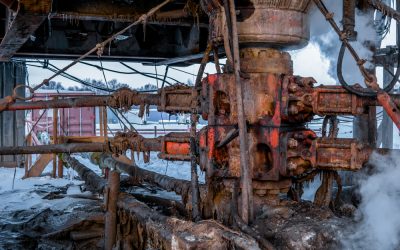
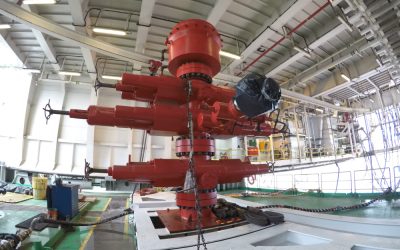
A subsea blowout preventer system is a large pressure-control device installed at the seabed during offshore drilling operations. It connects to the top of the subsea wellhead and provides operators with the ability to control or seal the well when abnormal pressure conditions occur.
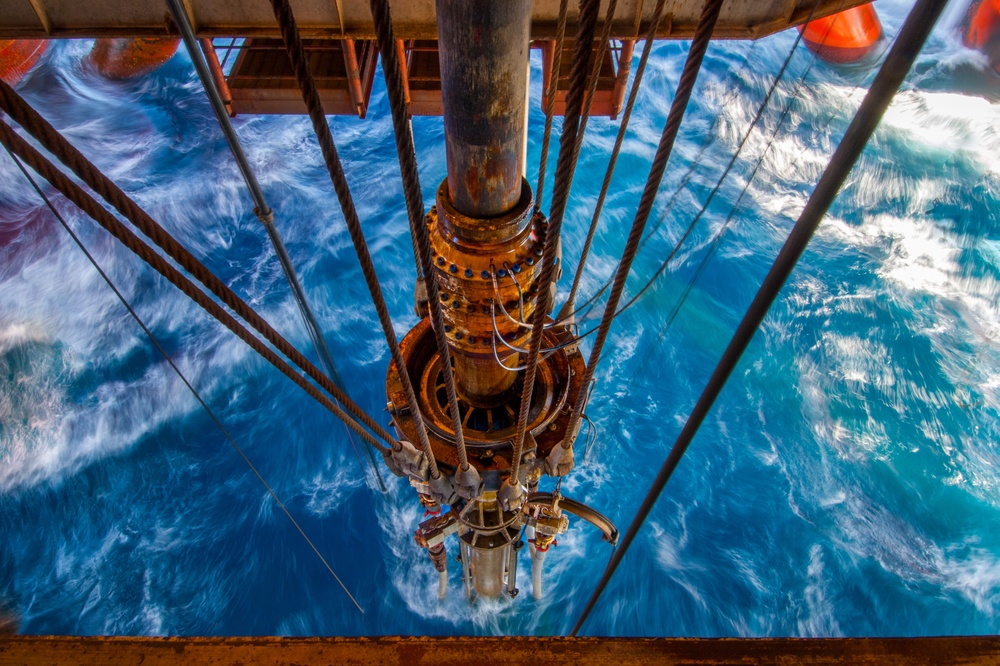
Unlike surface BOP systems used on land-based or shallow-water rigs, subsea BOPs must operate remotely in harsh underwater environments. These systems are typically used on floating drilling rigs, including drillships and semi-submersible rigs, where the BOP stack is positioned on the ocean floor while the drilling vessel remains above.
Subsea BOP systems are engineered to withstand:
- Extremely high well pressures
- Deepwater temperatures and environmental conditions
- Mechanical stresses from drilling operations
- Complex offshore well control challenges
Their primary purpose is to maintain well integrity and provide operators with multiple methods to stop or control unexpected pressure increases. By providing multiple layers of pressure control, subsea BOP systems help operators safely manage complex drilling conditions and maintain operational reliability in deepwater environments.
Why Are Subsea BOP Systems Important in Offshore Drilling?
Offshore wells often encounter high-pressure formations containing oil, gas, and other fluids. If formation pressure exceeds the pressure maintained by drilling fluids, an uncontrolled flow known as a kick can occur. Without effective well control equipment, a kick can escalate into a blowout, creating serious safety, environmental, and operational risks. Understanding the challenges of offshore drilling platforms and the equipment used in these environments is essential for maintaining safe and efficient operations. Subsea BOP systems help prevent these situations by:
Controlling Well Pressure
BOP systems allow drilling teams to isolate the wellbore and manage pressure changes. This provides operators time to evaluate the situation and take corrective action before conditions become dangerous.
Preventing Blowouts
The primary function of a subsea BOP is to seal the well when unexpected pressure events occur. By creating a reliable barrier, the system helps prevent uncontrolled hydrocarbon releases.
Protecting Offshore Personnel and Equipment
Offshore drilling involves significant investments in equipment and infrastructure. Effective well control systems help protect drilling crews, vessels, and surrounding marine environments.
Supporting Deepwater Operations
As offshore exploration moves into deeper waters, drilling conditions become more complex. Subsea BOP systems are specifically designed to handle these demanding environments.
Key Components of a Subsea BOP System
A subsea BOP system consists of multiple components that work together to provide pressure control and emergency response capabilities. Each component plays a specific role in maintaining well integrity and ensuring safe offshore drilling operations. Together, these systems allow operators to respond quickly to pressure changes and manage potential well control events effectively.
Annular Preventer
The annular preventer uses a flexible sealing element that closes around different sizes of drill pipe, casing, or other tools inside the wellbore. It provides a versatile sealing solution during drilling operations.
Ram Preventers
Ram preventers use opposing steel components called rams to seal the well. They provide a reliable method for isolating the wellbore and controlling pressure during drilling operations. Different ram designs are used based on specific well conditions, equipment requirements, and emergency response needs. Common types include:
- Pipe rams for sealing around drill pipe
- Blind rams for completely closing an open wellbore
- Shear rams for cutting drill pipe and sealing the well during emergencies
Control System
The BOP control system allows operators to activate and monitor the equipment remotely. Hydraulic control units, control pods, and communication systems enable rapid response during well control events.
Lower Marine Riser Package (LMRP)
The LMRP connects the BOP stack to the drilling riser. It includes components that support safe disconnection between the rig and the subsea well system when necessary.
Accumulator System
The accumulator stores hydraulic energy required to operate BOP functions quickly. This ensures the system can respond immediately when pressure control actions are required.
How Do Subsea BOP Systems Work?
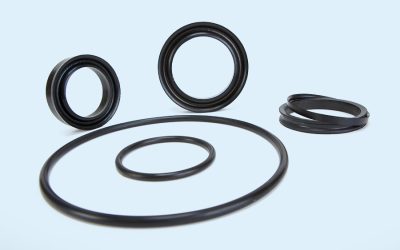
Subsea BOP systems operate by using hydraulic pressure and remotely controlled mechanisms to close sealing devices around the wellbore. During normal drilling operations, drilling fluids circulate through the well while the BOP remains open. If sensors or drilling personnel detect abnormal pressure conditions, operators can activate the appropriate BOP functions. The reliability of these sealing systems also depends on durable materials, including specialized elastomers for offshore drilling that help maintain performance under demanding subsea conditions.
The response process typically includes:
- Detecting abnormal pressure changes or a potential kick
- Activating the BOP control system
- Closing annular or ram preventers to restrict fluid movement
- Stabilizing well pressure
- Performing well control procedures before restarting operations
Modern subsea BOP systems are designed with multiple layers of protection to improve reliability during high-risk situations. These advanced control capabilities allow offshore operators to respond quickly to pressure changes and maintain safer drilling operations in challenging deepwater environments.
Subsea BOP Testing and Maintenance Requirements
Because BOP systems are critical safety equipment, regular inspection and testing are essential. Offshore operators follow strict maintenance schedules to verify that systems perform correctly when needed.
Common maintenance activities include:
Pressure Testing
Pressure tests confirm that BOP components can withstand expected operating conditions and maintain proper sealing performance. These tests help verify system integrity and ensure the equipment can perform effectively during critical well control situations.
Function Testing
Operators test hydraulic controls, valves, rams, and other components to ensure correct operation. Regular function testing helps identify operational issues early and confirms that all BOP systems respond properly when activated.
Component Inspection
Routine inspections identify wear, corrosion, hydraulic issues, and mechanical problems that could affect reliability. Detailed inspections allow operators to address potential failures before they impact drilling safety and efficiency.
Preventive Maintenance
Replacing worn components before failure helps reduce downtime and improves overall drilling safety. A proactive maintenance approach extends equipment life and supports consistent performance in demanding offshore environments.
Challenges of Operating Subsea BOP Systems
Subsea BOP systems are designed to perform under extreme offshore conditions, but maintaining reliable operation requires advanced technology, regular maintenance, and careful monitoring. Although subsea BOP technology has advanced significantly, offshore operators continue to face challenges related to:
Extreme Operating Environments
Deepwater conditions expose equipment to high pressure, low temperatures, and difficult access conditions. These demanding environments require BOP systems to be built with durable materials and advanced engineering to maintain reliable performance.
Complex Maintenance Requirements
Because BOP stacks are located underwater, inspection and repair activities require specialized equipment and trained personnel. Regular maintenance programs help identify potential issues early and reduce the risk of unexpected equipment failures.
Equipment Reliability
BOP systems must function correctly during emergency situations, making quality manufacturing, testing, and maintenance essential. Reliable components and strict testing procedures help ensure the system performs when pressure control is most critical.
Increasing Deepwater Exploration
As drilling operations move into deeper and more remote areas, BOP systems must continue evolving to meet higher performance requirements. Advancements in monitoring, automation, and control technology are helping operators manage increasingly complex offshore drilling challenges.
Improving Offshore Safety With Advanced BOP Technology
Modern subsea BOP systems incorporate improved monitoring, automation, and control capabilities to enhance offshore safety. These advancements allow operators to detect potential issues faster and improve response times during well control events. Advanced technologies also help increase system reliability while supporting safer and more efficient offshore drilling operations.
Technological improvements include:
- Real-time system monitoring
- Improved hydraulic control systems
- Enhanced pressure detection capabilities
- More reliable sealing technologies
- Advanced testing and diagnostic tools
These improvements help operators identify potential issues earlier and maintain better control over complex offshore drilling environments. They also support more proactive decision-making by providing greater visibility into equipment performance and well conditions.
Maintaining Reliable Drilling Rig Tools & Well Control Systems
Reliable drilling rig tools and equipment are essential for safe and efficient oil and gas operations. Regular inspections, pressure testing, and preventive maintenance help reduce equipment failure, improve operational performance, and maintain proper well control during drilling activities.
As a provider of pressure control equipment and services, BOP Products delivers precision-engineered solutions designed to support safe drilling operations. With expertise in manufacturing, repair, inspection, and testing, the company helps operators maintain dependable blowout preventer systems and critical well control equipment under demanding drilling conditions.
Looking to improve drilling safety and well control performance? Contact us for reliable equipment solutions and expert support that help maintain safe, efficient, and compliant drilling operations.