Oil rigs are the foundation of modern drilling operations. They provide the structure, tools, and stability needed to extract oil and gas safely and efficiently. But not all rigs are alike. The location of the drill site and water depth play a big role in deciding which rig to use. That’s why oilfield operators rely on a variety of designs, from simple land rigs to advanced floating rigs that work miles offshore.
This guide explores the types of oil rigs used across the world. Whether drilling on land or offshore, each rig has a unique purpose and plays an important role in global energy production.
7 Types of Oil Rigs
Oil rigs are designed for specific drilling conditions. Some are fixed to the seabed, while others float above deep water. Here’s a breakdown of the main types you’ll learn about in this guide:
- Land Rigs: The Standard for Onshore Drilling
- Offshore Rigs: Built for the Water
- Barge Rigs: Simple Rigs for Shallow Waters
- Submersible Rigs: Semi-Floating for Mid-Depth Jobs
- Jack-Up Rigs: Mobile Rigs for Shallow Offshore Drilling
- Platform Rigs: Fixed Rigs for Long-Term Drilling
- Floating Rigs (Floaters): Built for Deep Water
1. Land Rigs: The Standard for Onshore Drilling
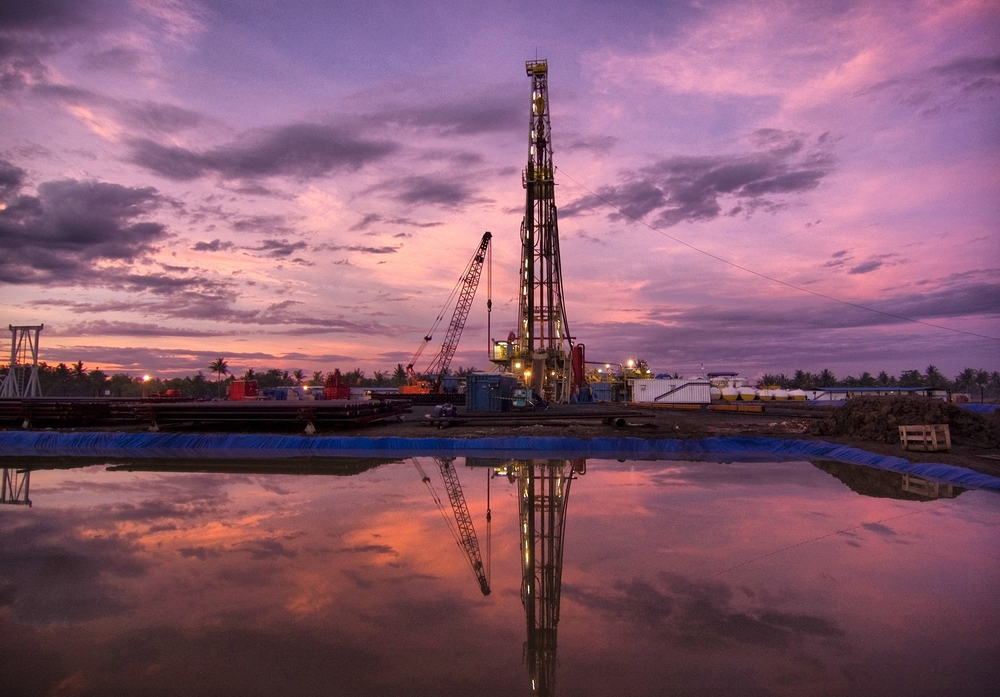
Land rigs are the most common type of rig because they operate onshore. They’re often used in areas with surface-level or shallow reserves. This is where drilling equipment can reach oil and gas without the challenges of offshore operations.
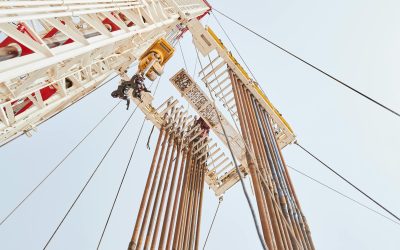
A typical land rig includes a derrick, drill pipes, drilling fluid circulation systems, and a drill floor for operation. These rigs are easier to transport, maintain, and relocate compared to offshore rigs. Their lower setup costs make them ideal for many projects across Texas, the Middle East, and other land-rich regions.
2. Offshore Rigs: Built for the Water
When oil reserves lie beneath the ocean floor, offshore rigs come into play. Offshore drilling is essential for reaching deep reservoirs that supply a large portion of global energy.
Offshore rigs are divided into two categories:
- Fixed rigs, such as platforms, are anchored directly to the seabed.
- Floating rigs, including semi-submersibles and drillships, are held in place using anchors or dynamic positioning systems.
The choice depends on water depth and location. Shallow waters may only need a barge or jack-up rig, while ultra-deep waters require floating rigs.
3. Barge Rigs: Simple Rigs for Shallow Waters
Barge rigs are among the simplest offshore rigs. They are used in calm, shallow waters up to 20 feet deep. The barge floats to the drill site, then sinks onto the seabed for stability before drilling begins.
These rigs are common in the Gulf of Mexico, where conditions suit their design. While they can’t handle rough seas or deep waters, they provide an affordable solution for shallow offshore drilling.
4. Submersible Rigs: Semi-Floating for Mid-Depth Jobs
Submersible rigs are designed for waters between 50 and 70 feet deep. They work by floating partially on the surface while lowering steel columns to rest on the seabed.
These rigs are a step up from barge rigs because they can handle greater water depths. However, they’re still limited to calm seas and aren’t suitable for deepwater drilling or rough offshore environments.
5. Jack-Up Rigs: Mobile Rigs for Shallow Offshore Drilling
Jack-up rigs are some of the most widely used offshore rigs. They work in waters up to 400 feet deep. After floating to the drill site, their long steel legs lower to the ocean floor. The platform is then “jacked up” above the surface, keeping the rig stable while drilling.
There are two main types:
- Cantilevered Jack-Ups – Extend equipment over the drilling site.
- Keyway or Slot Jack-Ups – Lower equipment through an opening in the rig floor.
Jack-ups are mobile, easy to transport, and well-suited for shallow offshore drilling near coastlines.
6. Platform Rigs: Fixed Rigs for Long-Term Drilling
Platform rigs are permanent structures installed directly on the seafloor. They are designed for long-term production and can support large crews and heavy equipment.
Types of platform rigs include:
- Fixed Platforms – Built with steel or concrete legs anchored to the seabed. They operate in depths up to 1,700 feet.
- Compliant Towers – Flexible structures used in waters between 1,500 and 4,900 feet.
Platform rigs are costly to build but highly effective for large-scale, long-lasting offshore projects.
7. Floating Rigs (Floaters): Built for Deep Water
When waters are too deep for fixed structures, floating rigs step in. These rigs are held in place with anchors or a dynamic positioning system that uses thrusters and GPS to stay steady.
Floating rigs are designed for deep and ultra-deepwater drilling. Their mobility makes them valuable for exploration in remote areas.
Semi-Submersible Platforms
Semi-submersibles are a type of floating rig with most of their mass below the water’s surface. This design gives them greater stability in rough seas compared to drillships.
- Sea Star Platforms – Use flexible legs and work in depths under 3,500 feet.
- Spar Platforms – Supported by a long vertical cylinder and can operate in depths up to 10,000 feet.
These rigs can drill in water between 3,000 and 10,000 feet, making them vital for deepwater operations.
Drillships
Drillships are specialized vessels equipped with drilling equipment on deck. They drill through a moon pool, an opening in the center of the ship, while using dynamic positioning systems to stay in place.
They’re best for exploration and drilling new wells, especially in ultra-deep waters. Their mobility allows them to operate worldwide, making them a key tool in offshore exploration.
Safety Across All Types of Rigs
Whether onshore or offshore, safety is critical in drilling operations. Workers face risks from high-pressure systems, heavy equipment, and harsh environments.
- Land rigs need strong safety protocols for handling drilling fluid and drill pipes.
- Offshore platforms must manage risks from storms and water pressure.
- Floaters and drillships rely on advanced systems and training to ensure stability and worker safety.
Proper training, regular maintenance, and safety planning keep crews and equipment operating smoothly.
Choosing Between Types of Oil Rigs
Oil rigs come in many designs, each made to meet different drilling needs. From land rigs onshore to jack-up rigs, platforms, floaters, and drillships offshore, every type of rig plays a role in energy production. The right choice depends on location, water depth, and drilling goals.
As oilfield equipment specialists in Houston, we understand how important reliable rigs and components are to successful drilling operations. Houston is a hub for both onshore and offshore drilling, making the right equipment critical for safe and efficient projects.
Looking for the right solution for your drilling project? Contact us today for expert guidance and high-quality equipment built to perform in any environment.