In any work environment, the risk of disaster is ever-present, even with the best safety regulations available. But the high pressure and flammability risks present at an oil drill site mean that any accident can turn very serious very quickly. The infamous Deepwater Horizon disaster is an excellent example. An oil rig used as an example of excellent safety regulations had a failure at the worst possible moment.
Once an oil well blowout is happening, stopping it requires large amounts of effort, time, money, and risk. In the moment, there isn’t much to do besides evacuate. The best approach to handling a blowout is to make sure it doesn’t happen in the first place. With a few preventive measures and strict adherence to safety regulations, you can significantly reduce your risk of a blowout.
Preventive measures go a long way toward preventing an oil well blowout from happening. Do you know how to protect your rig? Find out here. #BOPProducts #blowoutprevention #oilfieldsafety Share on X
Keep the BOPs in Good Condition
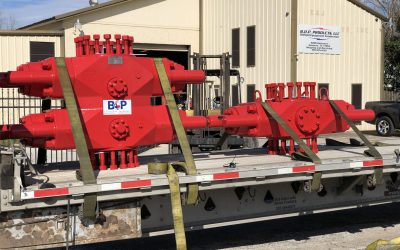
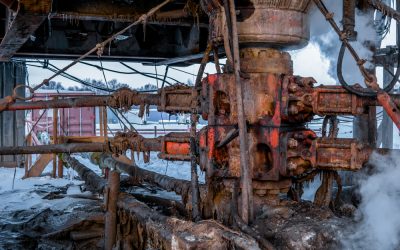
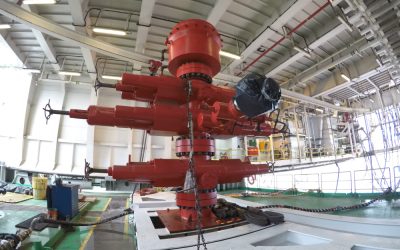
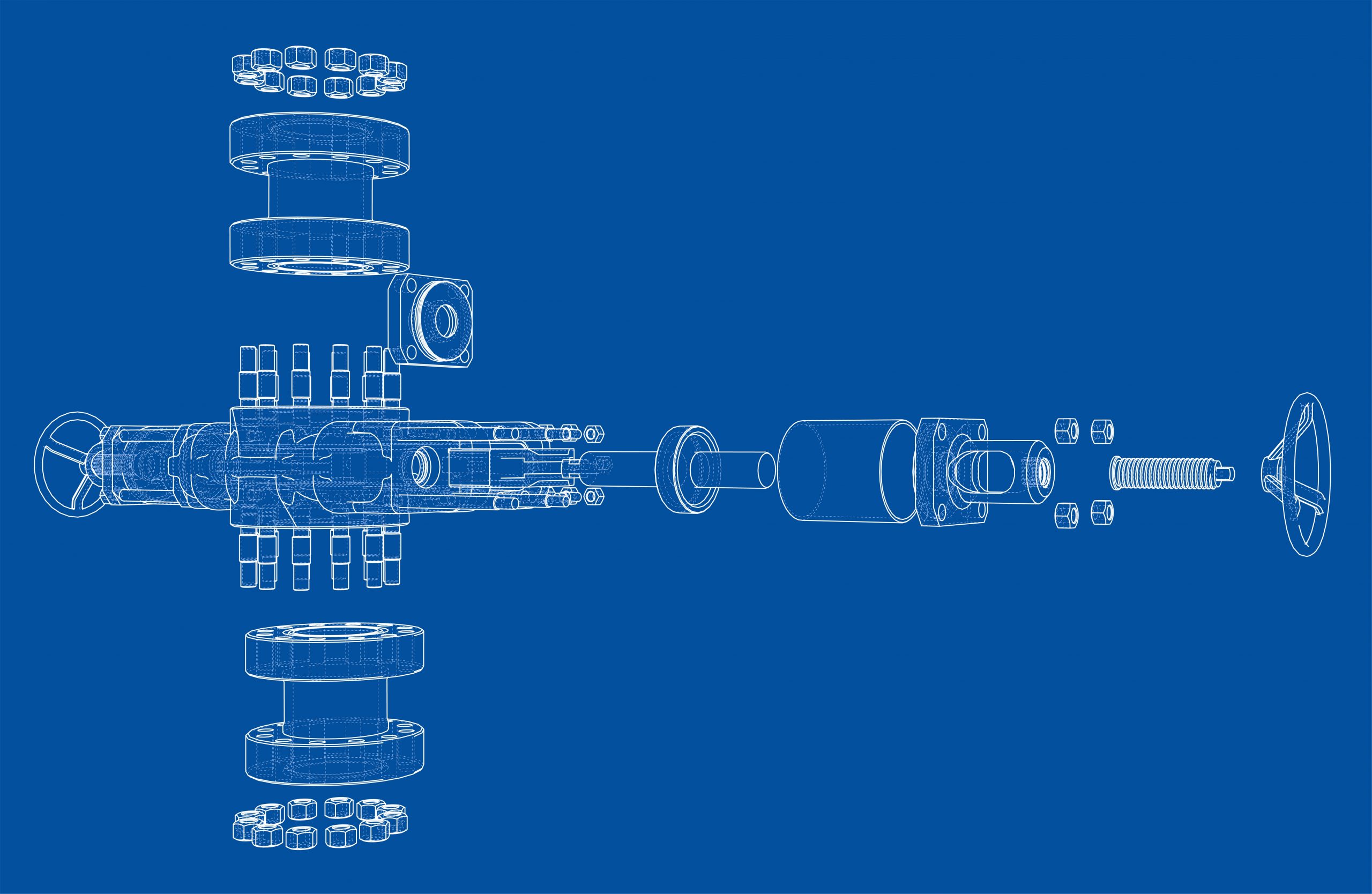
Dirty or faulty blowout preventers can’t properly do their job and keep high-pressure oil and gas under control. As the metal drill cuts through solid rock formations, tiny metal shavings are ground off and mingle with the dirt and liquid pumped through the BOP. These shavings can cause damage to the BOP’s interior, particularly the elastomer sealant, potentially causing a leak. Use a downhole magnet to remove metal fragments and clean out the mud to reduce the risk of a leak or escaping pressure.
Understand How Your Equipment Behaves in Extreme Conditions
No one can predict the conditions or circumstances you’ll face on any given day at the drill site. However, a simulation ahead of time can show you a likely scenario. Try running computer simulations of various extreme scenarios and observe how the BOPs behave. (The Southwest Research Institute ran a comparable simulation on the Deepwater Horizon rig.) If you know ahead of time what your BOPs are likely to do in an emergency, you can better prepare for a quick response.
Pro Tip: Certain types of elastomers or BOP components are designed only for certain conditions. Trying to push them past their limits can cause an equipment failure.
Be Ready for an Emergency
Finally, it’s impossible to overstate the importance of training and education. You and everyone at the drill site must know and observe proper safety procedures at all times. Periodic refresher courses and drills should be a normal part of your schedule to keep everyone ready.
Blowout Prevention in Your Field
Oilfield equipment goes through years of extensive testing before becoming available on the market. Consequently, failures or disasters rarely occur. But as history has demonstrated, when failures do occur, the results are truly catastrophic. The best strategy is to do your part to help prevent oil well blowouts and promote safety in your industry.
Connect with us to learn more about our BOP refurbishing process and safety considerations.