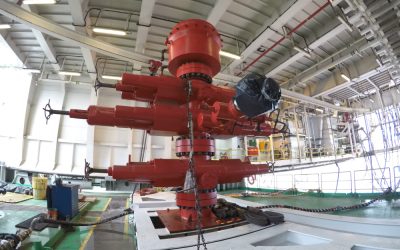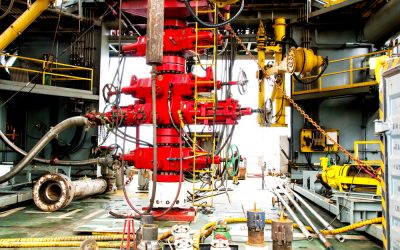
A blowout preventer (BOP) performs a critical job on a drilling rig: controlling well pressure when it matters most. But unexpected maintenance, testing, repair, or replacement can disrupt drilling schedules and increase operating costs. Wear, inspection findings, control-system issues, handling, and poor planning can all contribute to downtime. Reliable equipment is especially important offshore. The Bureau of Safety and Environmental Enforcement (BSEE) recorded 401 lifting incidents in 2025 across U.S. offshore operations. For BOP systems, reducing avoidable downtime means identifying problems early, maintaining equipment properly, and having a clear plan for repair or remanufacturing when needed.
Key Takeaways
- BOP downtime can result from wear, leaks, control issues, damage, and maintenance requirements
- Regular inspection and testing can identify problems before they become operational disruptions
- Proper maintenance helps prevent premature equipment failure
- Repair and remanufacturing can restore equipment without automatically replacing the entire BOP
- Documentation, spare parts, trained personnel, and planning can reduce avoidable delays
What Is BOP Downtime?
BOP downtime refers to time when drilling or well-control operations are delayed or interrupted because the blowout preventer system or an associated component is unavailable, malfunctioning, being inspected, tested, or undergoing maintenance.
A BOP system includes more than the preventer itself. Depending on the application, the system can include annular and ram BOPs, choke and kill lines, choke manifolds, control systems, accumulators, and related equipment. API Standard 53 addresses well-control equipment systems for drilling wells, including requirements related to installation and testing. Because these components work together, a problem with one part of the system can affect the availability of the broader BOP system.
What Causes BOP Downtime?
Not every BOP downtime event has the same cause. Some issues develop gradually through normal service, while others result from damage, unexpected equipment problems, or maintenance requirements.
1. Wear and Component Degradation
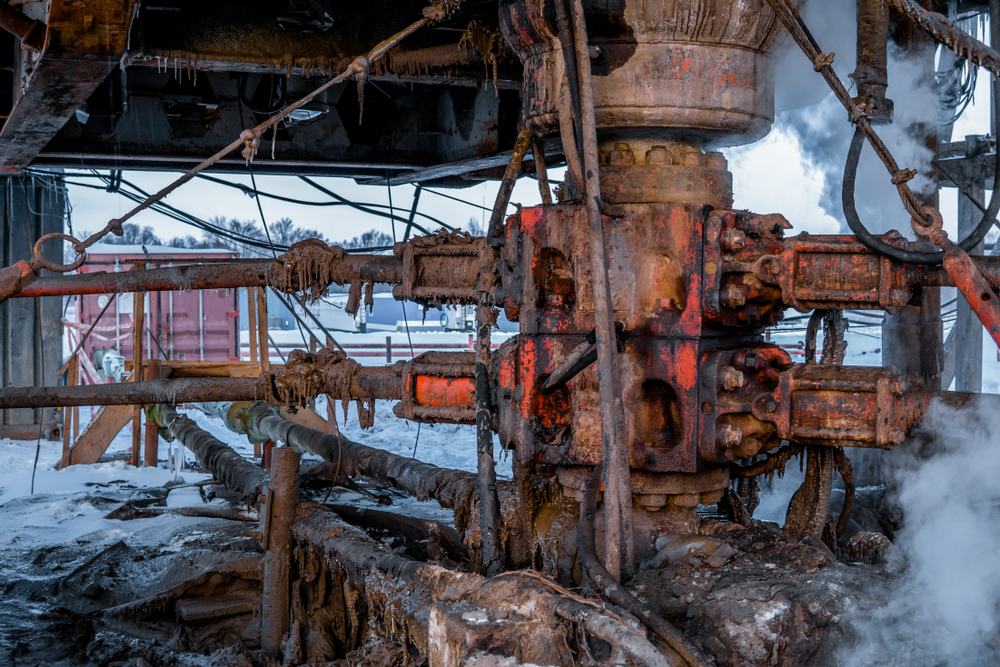
BOP components operate under demanding pressure, mechanical, and environmental conditions. Repeated operation can contribute to wear in seals, ram components, elastomers, hydraulic components, valves, and other pressure control equipment. Wear does not necessarily mean a BOP has failed. The concern is what happens when degradation progresses far enough to affect sealing, actuation, pressure integrity, or other required functions.
Routine inspection can help identify wear before it develops into a more disruptive problem. OSHA notes that drilling equipment is subjected to stress and vibration during operations and describes maintenance as a necessary, ongoing activity at drilling sites.
2. Hydraulic or Control-System Problems
A BOP depends on its control system to operate the preventer components when required. Problems involving hydraulic pressure, control lines, valves, accumulators, or other control-system components can affect operation.
Troubleshooting these issues may take time, particularly when the source of the problem is not immediately obvious. A control-system fault can therefore create downtime even when the primary BOP body and pressure-containing components remain in serviceable condition. This is one reason BOP maintenance should consider the complete system, rather than focusing only on the preventer stack.
3. Seal and Elastomer Issues
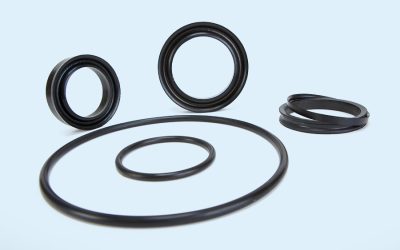
Seals and elastomers play an important role in maintaining pressure integrity. Their performance can be affected by temperature, pressure, well fluids, chemical exposure, age, and operating conditions.
An elastomer that is incompatible with the service environment may deteriorate faster than expected. Cracking, swelling, extrusion, hardening, or other forms of degradation can affect sealing performance and lead to inspection, maintenance, or replacement requirements. Selecting appropriate materials for the operating conditions and monitoring their condition can help reduce unexpected problems.
4. Leaks and Loss of Pressure Integrity
Leaks can require immediate investigation, particularly when they involve pressure-containing equipment or components that are critical to well control.
A leak may result from damaged seals, worn components, connection problems, corrosion, improper assembly, or other conditions. Continuing to operate without determining the cause may not be appropriate, so the resulting inspection and repair work can affect the drilling schedule. OSHA identifies inspection and maintenance of appropriate equipment as part of controlling potential releases at oil and gas operations.
5. Failed or Incomplete Testing
BOPs and associated valves are pressure tested after installation to verify integrity and proper operation. Testing can identify problems that need to be addressed before drilling proceeds. While that can create short-term delays, discovering a problem during a planned test is very different from discovering it during an operational event. Testing should therefore be treated as a reliability and well-control activity, not simply as a scheduling obstacle.
6. Handling and Installation Problems
BOP stacks are large, heavy assemblies that require careful handling and installation. Problems during lifting, transportation, alignment, assembly, or connection can create additional inspection or repair requirements. Handling equipment and procedures are therefore part of the broader reliability picture. API guidance also addresses the handling of BOPs and BOP assemblies, including lifting, lowering, transporting, and storing the equipment.
How Can Operators Reduce BOP Downtime?
Preventing every equipment problem is unrealistic. The goal is to reduce avoidable downtime and identify developing problems early enough to manage them.
Build Maintenance Into the Operating Plan
Waiting for a failure before scheduling maintenance can turn a manageable service requirement into an unplanned shutdown. Planned maintenance allows operators to inspect components, replace worn parts, and address known issues during an appropriate maintenance window. Maintenance schedules should account for the BOP’s operating history, service conditions, inspection findings, manufacturer requirements, and applicable standards.
Use Inspection Findings to Guide Maintenance
Inspection should do more than confirm that a BOP was checked. Findings should be documented and used to determine whether components can remain in service, require repair, or should be remanufactured or replaced. Tracking recurring findings can also reveal patterns. If the same component repeatedly develops problems, the underlying cause may need to be investigated rather than simply replacing the part each time.
Keep Critical Replacement Parts Available
A maintenance team can identify a problem quickly and still lose valuable time if the required replacement component is unavailable. Operators can reduce this risk by identifying critical spare parts based on equipment configuration, service conditions, lead times, and failure history. Having the right components available does not eliminate downtime, but it can shorten the time between identifying a problem and restoring equipment.
Coordinate Testing Before the Equipment Is Needed
Testing should be planned around the drilling schedule whenever possible. Required testing, inspection, and maintenance activities should be identified early enough to allow corrective work before the BOP is needed for the next stage of operations. OSHA identifies BOP installation and testing as part of well-control activities, while API Standard 53 provides requirements for BOP system installation and testing.
Train Personnel on Proper Operation and Maintenance
Equipment reliability depends partly on how equipment is operated, inspected, handled, and maintained. Personnel should understand the applicable procedures for the specific BOP system and know how to identify abnormal conditions. Clear procedures also help reduce variability between crews and shifts. For critical well-control equipment, consistent execution matters.
When Should You Repair, Remanufacture, or Replace a BOP?
Not every BOP problem requires complete replacement. The appropriate approach depends on the equipment’s condition, inspection results, damage, operating history, configuration, service requirements, and expected remaining life.
| Option | May Be Appropriate When |
| Repair | A specific component or localized issue can be corrected while the equipment remains suitable for service |
| Remanufacture | More extensive restoration is required and the equipment can be brought back to the required condition |
| Replace | Equipment condition, design limitations, damage, service requirements, or lifecycle considerations make replacement more appropriate |
A proper evaluation should come before the decision. Replacing equipment unnecessarily can increase costs, while delaying needed replacement can create reliability and well-control concerns. The objective is to restore dependable equipment performance while meeting applicable technical and regulatory requirements.
Why Documentation Matters for BOP Reliability
BOP maintenance should create a useful equipment history rather than ending with a work order marked “complete.” A well-documented maintenance record can help teams track recurring issues, support future troubleshooting, and make better maintenance decisions. Records can include:
- Inspection findings
- Pressure-test results
- Component replacements
- Repair work
- Remanufacturing activities
- Operating conditions
- Recurring failures
- Maintenance dates
- Parts used
- Testing after repair
This information can help operators identify recurring issues and make better maintenance decisions over the equipment’s service life. It can also help maintenance teams prepare for future work. Knowing which components have previously required attention can make inspections more targeted and help identify parts that may need to be available before maintenance begins.
BOP Downtime Is a Reliability Issue, Not Just a Repair Issue
Reducing BOP downtime is not simply about repairing equipment faster. It starts with maintaining the equipment properly, understanding its operating history, identifying wear and degradation early, and planning inspection and testing around the drilling schedule.
When a problem does occur, having access to qualified inspection, repair, remanufacturing, and testing services can help operators determine the appropriate next step without automatically treating replacement as the only solution. A reliable BOP strategy combines preventive maintenance, inspection, testing, trained personnel, appropriate spare parts, accurate documentation, and timely repair or remanufacturing. Together, these practices can help reduce avoidable disruptions while supporting the primary purpose of the BOP system: dependable well control.
Choosing the Right BOP Service Option Requires Careful Evaluation
Choosing whether to repair, remanufacture, or replace a BOP requires careful consideration of equipment condition, inspection findings, operating history, service requirements, downtime, cost, and expected service life. Reviewing these factors together helps operators and drilling contractors select an approach that supports dependable equipment performance and well-control requirements.
As a provider of pressure control equipment and services, BOP Products delivers precision-engineered solutions designed to support safe drilling operations. With expertise in manufacturing, repair, inspection, and testing, the company helps operators maintain dependable blowout preventer systems and critical well control equipment under demanding drilling conditions.
Looking to improve drilling safety and well control performance? Contact us for reliable equipment solutions and expert support that help maintain safe, efficient, and compliant drilling operations.