Pressure control is one of the most critical aspects of modern drilling operations. According to the International Association of Oil & Gas Producers (IOGP), effective well engineering design and well operations management can help reduce the likelihood of well control incidents, protecting personnel, the environment, and valuable drilling assets. As drilling projects continue to reach deeper, higher-pressure formations, investing in reliable pressure control equipment in drilling has become more important than ever.
Whether drilling onshore or offshore, operators depend on specialized pressure control systems to safely manage formation pressures, prevent blowouts, and maintain operational efficiency. Understanding the purpose and function of each component helps drilling teams improve safety, minimize downtime, and comply with industry regulations.
Key Takeaways
- Maintains safe wellbore pressure during drilling
- Blowout preventers prevent uncontrolled well flow
- Choke and kill systems control formation pressure
- Regular maintenance improves equipment reliability
- Integrated well control systems enhance drilling safety and efficiency
Why Pressure Control Equipment Matters in Drilling
Every drilling operation encounters varying formation pressures. If these pressures are not properly controlled, they can lead to kicks, blowouts, equipment damage, environmental incidents, and costly downtime. Reliable pressure control equipment helps operators maintain safe pressure levels and respond quickly to unexpected changes during drilling, making well control procedures an essential part of safe and effective drilling operations.
Pressure control equipment is designed to:
- Prevent uncontrolled release of hydrocarbons
- Maintain safe wellbore pressure
- Protect drilling personnel and equipment
- Support regulatory compliance
- Improve drilling efficiency and reduce operational interruptions
A complete pressure control system consists of multiple components that work together to manage well pressure safely. Each piece of equipment plays a specific role in preventing well control incidents during drilling. Together, these systems help improve operational safety, efficiency, and regulatory compliance.
Essential Pressure Control Equipment Used in Modern Drilling
Modern drilling operations rely on a range of specialized drilling rig tools and equipment to maintain well integrity and ensure safe, efficient operations. Each component is designed to perform a specific function, from preventing blowouts and controlling formation pressure to monitoring well conditions in real time. Together, these systems create multiple layers of protection that help operators minimize risk, reduce downtime, and maintain regulatory compliance throughout the drilling process.
1. Blowout Preventers (BOPs)
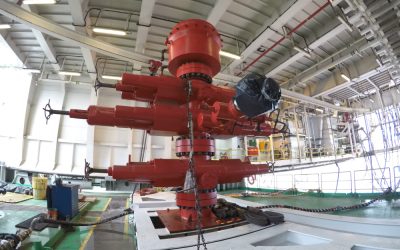
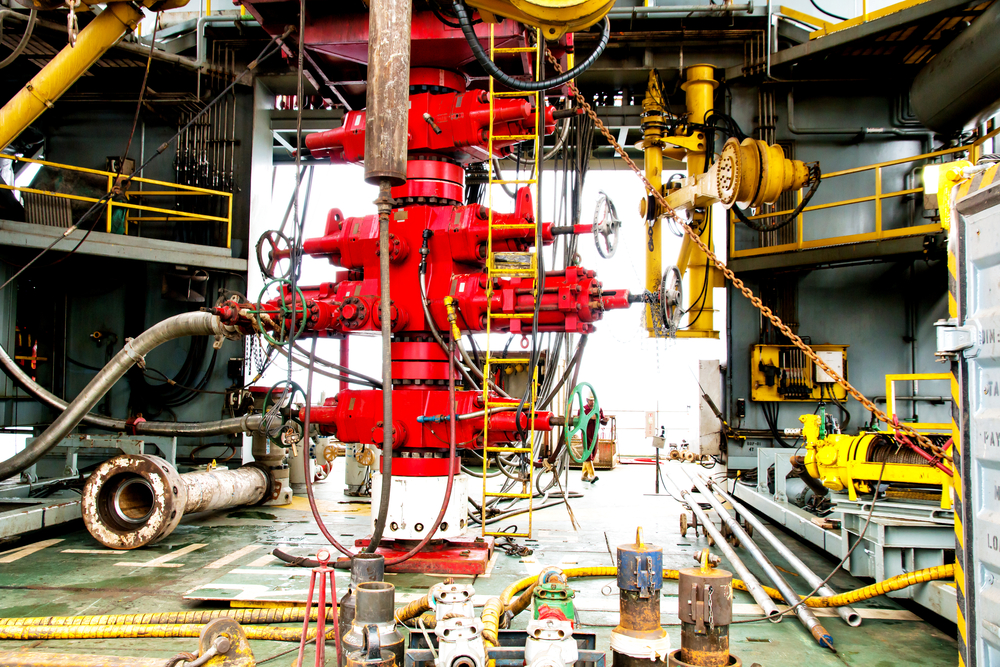
Blowout Preventers (BOPs) are the most important component of any drilling pressure control system. Installed at the wellhead, BOPs are designed to seal, control, and monitor well pressure during drilling operations. Modern BOP systems include several ram and annular preventers capable of sealing around drill pipe, casing, or even completely closing an open wellbore during emergencies.
Key benefits include:
- Preventing uncontrolled well flow
- Protecting personnel and equipment
- Supporting emergency well shut-in procedures
- Meeting industry safety standards
Without properly functioning BOPs, maintaining safe drilling operations becomes significantly more difficult. They serve as the first line of defense against unexpected pressure surges and well control incidents. Regular inspection, testing, and maintenance are essential to ensure BOPs perform reliably when needed most.
2. Choke Manifolds
Choke manifolds regulate pressure after a well has been shut in. They allow drilling crews to safely circulate drilling fluids while maintaining controlled bottom-hole pressure. Adjustable choke valves help operators gradually reduce well pressure without causing additional formation damage.
Advantages include:
- Controlled pressure reduction
- Safe circulation during well control operations
- Improved pressure management
- Reduced risk of secondary well control events
Choke manifolds are a critical part of any well control system because they provide precise control over pressure during kick circulation and well stabilization. When properly maintained and operated, they help protect drilling equipment, improve operational safety, and support efficient pressure management throughout drilling operations.
3. Kill Manifolds
Kill manifolds provide the pathway for pumping kill mud into the well after a kick has been detected. The heavier drilling fluid increases hydrostatic pressure, helping regain control of the well and stabilize formation pressure. Kill manifolds are commonly used alongside choke manifolds as part of a complete well control system.
Their functions include:
- Delivering kill fluid into the well
- Supporting well stabilization
- Restoring safe drilling conditions
- Improving overall well control effectiveness
Kill manifolds play an essential role in restoring well control during pressure-related events by enabling the safe injection of kill fluids into the wellbore. When used alongside choke manifolds and other pressure control equipment, they help operators regain control efficiently while minimizing operational risks and protecting personnel and assets.
4. Wellhead Equipment
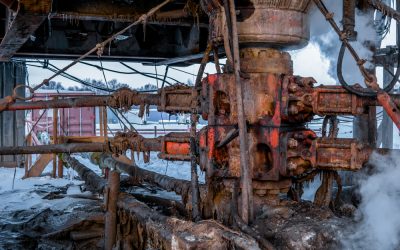
The wellhead serves as the structural and pressure-containing foundation of the drilling system. It supports multiple pressure control components while providing secure sealing between the casing strings and surface equipment.
Wellhead equipment includes:
- Casing heads
- Tubing heads
- Spools
- Connectors
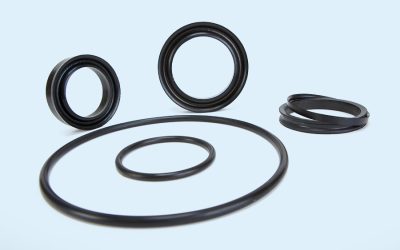
- Pressure seals
Wellhead equipment is designed to withstand high pressures and harsh operating conditions while maintaining a secure connection between surface and subsurface systems. Proper installation, routine inspection, and preventive maintenance help ensure long-term reliability, minimize leaks, and support safe drilling and production operations.
5. Mud Gas Separators
Mud gas separators are an important safety component during well control operations, helping manage unexpected gas influxes before they reach the surface processing system. By safely venting gas and returning drilling fluid to circulation, they reduce operational hazards and support safer, more efficient drilling operations.
This process helps:
- Reduce surface pressure hazards
- Prevent gas accumulation
- Improve operational safety
- Support efficient well control procedures
Mud gas separators play a critical role during managed pressure events. Proper maintenance and regular testing ensure they operate effectively when unexpected gas influxes occur, helping maintain safe drilling conditions.
6. Accumulator Units
Accumulator units provide the hydraulic power required to operate blowout preventers quickly during emergencies. These systems store pressurized hydraulic fluid that can immediately activate BOP functions even if primary power systems fail.
Benefits include:
- Rapid BOP activation
- Reliable emergency response
- Backup hydraulic power
- Increased operational safety
Routine inspection of accumulator systems is essential for dependable well control performance. Regular maintenance and pressure testing help ensure rapid BOP activation and reliable emergency response when critical well control situations arise.
7. High-Pressure Valves and Flowline Equipment
Pressure-rated valves, flowlines, and connectors safely direct drilling fluids throughout the pressure control system. These components are engineered to withstand high operating pressures while minimizing leaks and maintaining flow integrity.
Common equipment includes:
- Gate valves
- Plug valves
- Check valves
- Flow crosses
- High-pressure hoses
- Flanged connections
Proper valve selection directly impacts overall system reliability. Routine inspection and maintenance help prevent leaks, extend equipment life, and ensure consistent pressure control during drilling operations.
8. Pressure Monitoring and Control Systems
Modern drilling operations increasingly rely on digital monitoring systems that provide real-time pressure data throughout the drilling process. These advanced systems enable operators to detect abnormal pressure changes early, allowing faster decision-making and more effective well control. By integrating sensors, automation, and continuous monitoring, they improve drilling efficiency, reduce operational risks, and support safer drilling operations.
These systems continuously monitor:
- Wellbore pressure
- Pump pressure
- Annular pressure
- Flow rate
- Mud volume
- Surface pressure trends
Early detection of abnormal pressure changes allows operators to respond before a minor issue becomes a major well control event. Continuous monitoring also helps reduce downtime, improve operational efficiency, and support safer, more reliable drilling performance.
Best Practices for Pressure Control Equipment Maintenance
Even the highest-quality pressure control equipment requires routine maintenance to perform reliably under demanding drilling conditions. A structured maintenance program helps prevent equipment failures, extends service life, improves well control performance, and supports safe, efficient drilling operations. Following consistent inspection and testing procedures also helps operators meet regulatory requirements and minimize costly downtime.
| Maintenance Practice | Purpose |
| Conduct scheduled pressure testing | Verify equipment performance and pressure integrity |
| Inspect seals, valves, and hydraulic systems | Detect wear, leaks, or damage early |
| Perform preventive maintenance | Maintain equipment according to manufacturer recommendations |
| Replace worn components | Prevent unexpected failures and downtime |
| Verify BOP functionality before drilling | Ensure the blowout preventer is ready for emergency operation |
| Maintain inspection and testing records | Support compliance and equipment traceability |
| Train personnel regularly | Improve safe operation and emergency preparedness |
A proactive maintenance strategy ensures pressure control equipment remains reliable throughout the drilling lifecycle. Combining routine inspections, preventive servicing, accurate documentation, and ongoing personnel training helps operators maintain well control, improve operational efficiency, and reduce the risk of safety incidents.
Choosing Reliable Pressure Control Equipment
Selecting the right pressure control equipment depends on several operational factors, including well conditions, pressure requirements, and regulatory standards. Equipment should be designed to withstand the specific operating environment while delivering reliable performance under high-pressure drilling conditions. Partnering with an experienced manufacturer also ensures access to quality-engineered products, technical expertise, and ongoing support throughout the equipment’s service life.
Factors to consider include:
- Expected formation pressures
- Well depth
- Drilling environment
- Regulatory requirements
- Equipment compatibility
- Maintenance support
- Manufacturer expertise
Working with experienced manufacturers ensures equipment is designed, tested, and supported to meet demanding drilling conditions. This can help operators select pressure control equipment suited to the specific requirements of each well and drilling environment. Reliable equipment and proper support also contribute to safer, more efficient drilling operations.
Maintaining Reliable Drilling Rig Tools & Well Control Systems
Reliable drilling rig tools and equipment are essential for safe and efficient oil and gas operations. Regular inspections, pressure testing, and preventive maintenance help reduce equipment failure, improve operational performance, and maintain proper well control during drilling activities.
As a provider of pressure control equipment and services, BOP Products delivers precision-engineered solutions designed to support safe drilling operations. With expertise in manufacturing, repair, inspection, and testing, the company helps operators maintain dependable blowout preventer systems and critical well control equipment under demanding drilling conditions.
Looking to improve drilling safety and well control performance? Contact us for reliable equipment solutions and expert support that help maintain safe, efficient, and compliant drilling operations.