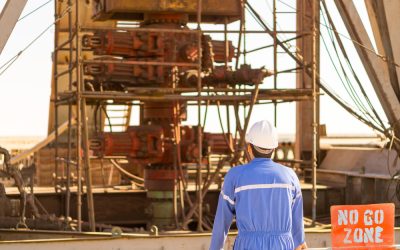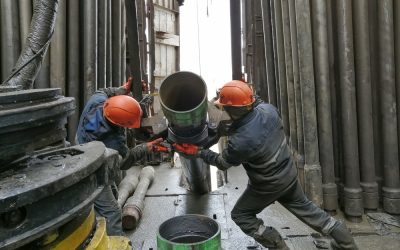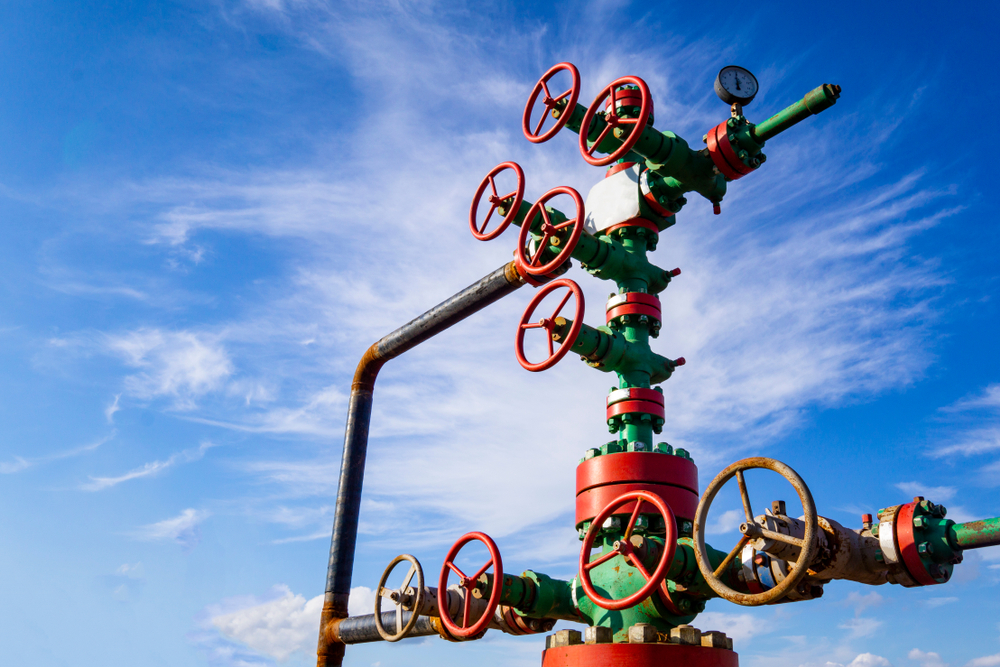
Drilling operations in the oil and gas industry involve working with high-pressure formations deep underground. If this pressure is not properly controlled, it can lead to serious incidents such as blowouts, which pose risks to workers, equipment, and the environment. Industry research consistently shows that most well-controlled incidents are preventable with proper training, monitoring, and adherence to procedures, highlighting the importance of strong operational discipline. This is why well control procedures are a critical part of every drilling operation.
Well control procedures are structured methods for maintaining pressure balance within the wellbore. They help prevent the uncontrolled flow of formation fluids such as oil, gas, or water. These procedures are not just emergency measures; they are applied throughout the drilling process to ensure safe and stable operations.
Key Takeaways
Why Well Control Matters in Drilling Operations
Maintaining control of a well is essential for both safety and efficiency. A loss of well control can escalate quickly, leading to operational delays, financial loss, and environmental damage. By following proper procedures, drilling teams can detect early warning signs and respond before a situation becomes critical. Well control plays a key role in:
- Preventing blowouts and uncontrolled releases
- Protecting workers on the rig
- Avoiding damage to expensive drilling equipment
- Reducing environmental impact
- Ensuring compliance with industry safety standards
Regular inspection and maintenance of critical equipment like blowout preventers, including adherence to API-certified repair standards, helps ensure reliable performance during high-pressure situations. Consistent maintenance also reduces the risk of unexpected failures and supports safer drilling operations. It also helps extend the lifespan of essential equipment and minimizes costly downtime.
Key Components of a Well Control System
A well-controlled system is made up of multiple components that work together to manage pressure and maintain stability. Each element has a specific function, and the system is only effective when all parts operate correctly. Understanding how these components interact is essential for preventing pressure imbalances and ensuring safe drilling operations.
Blowout Preventer (BOP) System
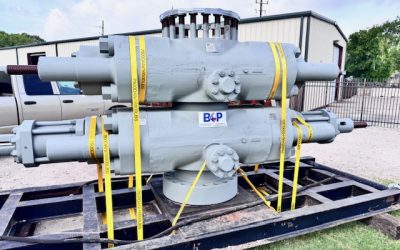
The blowout preventer is installed at the wellhead and acts as the primary safety barrier. It is designed to seal the well quickly in case of unexpected pressure changes. Different types of preventers, such as annular and ram preventers, allow operators to control the well under various conditions.
Drilling Mud (Drilling Fluid)
Drilling mud helps maintain the right pressure inside the well by balancing formation pressure. It also removes rock cuttings and cools the drill bit. Adjusting the density of the mud is a key method for controlling pressure and preventing fluid influx. Proper mud management is critical for maintaining well stability and avoiding unexpected pressure changes during drilling.
Choke and Kill System
This system includes valves and lines used to control the flow of fluids during well control operations. It allows operators to safely circulate fluids and manage pressure when a kick occurs. Accurate operation of this system ensures controlled pressure release and helps stabilize the well during critical situations.
Monitoring Systems
Modern drilling operations rely on real-time monitoring systems to track pressure, flow rate, and fluid levels. These systems help detect abnormalities early, allowing quick and informed decision-making. Continuous monitoring reduces response time and improves the overall effectiveness of well control procedures.
Training and Personnel
Even the best equipment cannot ensure safety without skilled operators. Regular training helps personnel recognize warning signs and execute well control procedures correctly during high-pressure situations. Investing in ongoing education, such as drilling rig safety training, reinforces best practices and improves response during well control events.
Step-by-Step Well Control Procedures
Effective well control follows a clear sequence of actions. Each step is designed to identify problems early and restore stability as quickly as possible. Following a structured approach reduces response time and improves overall control during critical well conditions.
1. Continuous Pressure Monitoring
Operators continuously monitor well pressure and fluid behavior. Any unusual change in readings can signal a potential issue. Early detection is critical to preventing escalation. Accurate monitoring helps maintain control and supports timely decision-making during drilling operations.
2. Kick Detection
A kick occurs when formation fluids enter the wellbore due to insufficient pressure from the drilling fluid. Common indicators include increased flow rate, pit volume gain, or changes in return flow. Recognizing these signs early allows for immediate action. Prompt detection reduces the risk of the situation developing into a blowout.
3. Shut-In Procedure
Once a kick is detected, the well is shut in using the blowout preventer. This stops fluid flow and prevents the situation from worsening. Proper shut-in is one of the most critical steps in well control. Correct execution ensures the well is secured safely under pressure conditions.
4. Circulation and Pressure Control
After shutting in the well, operators use controlled circulation methods to remove the influx and restore pressure balance. Techniques like the driller’s method or wait-and-weight method are commonly used. These methods help regain control while minimizing additional pressure risks.
5. Well Stabilization
Once the pressure is under control, the well is stabilized to ensure safe continuation of drilling. This may involve adjusting drilling fluid properties and verifying that the wellbore remains structurally sound. Stabilization confirms that the well is safe before normal operations resume.
Safety Protocols and Best Practices
Strong safety practices are essential for effective well control. These protocols help teams stay prepared and reduce the risk of failure during critical situations. Consistent adherence to these protocols strengthens operational reliability and supports safer drilling environments.
Regular Training and Drills
Teams must participate in routine well control drills to improve response time and ensure familiarity with procedures. Regular practice helps teams react quickly under pressure. It also improves coordination and decision-making during real well control events.
Equipment Inspection and Maintenance
All well control equipment, especially the BOP system, must be tested and maintained regularly to ensure reliability. Routine checks help identify potential issues early. They also reduce the risk of equipment failure during critical operations.
Risk Assessment
Before drilling begins, teams should evaluate potential risks such as high-pressure zones and plan appropriate control measures. Early identification of hazards allows better preparation. It also helps reduce unexpected challenges during drilling.
Clear Communication
Effective communication is critical during well control events. Teams must coordinate actions quickly and accurately to manage the situation. Clear communication minimizes confusion during emergencies. It also ensures all team members follow the same response plan.
Regulatory Compliance
Following industry standards and guidelines ensures that operations meet safety requirements and reduce legal risks. Compliance helps maintain consistent safety practices across operations. It also builds trust with stakeholders and regulatory bodies.
Strengthening Well Control for Safer Drilling Operations
Well control procedures are essential for maintaining safety and stability in drilling operations. They provide a structured approach to managing pressure, preventing blowouts, and protecting both personnel and the environment. By combining reliable equipment, real-time monitoring, and skilled personnel, drilling teams can handle high-pressure conditions with greater confidence and control.
As an API-certified provider of BOP repair and remanufacturing services, BOP Products LLC supports safe drilling operations through high-quality equipment, inspection services, and API-compliant repair standards. With a strong emphasis on performance, reliability, and safety, we help operators maintain well integrity and reduce operational risks across various drilling environments.
Looking to improve your well control practices and ensure safer drilling operations? Contact us to explore solutions that strengthen safety, enhance performance, and support long-term operational success.