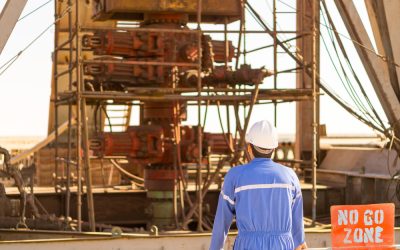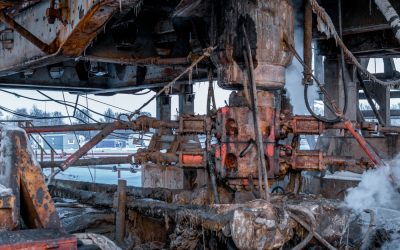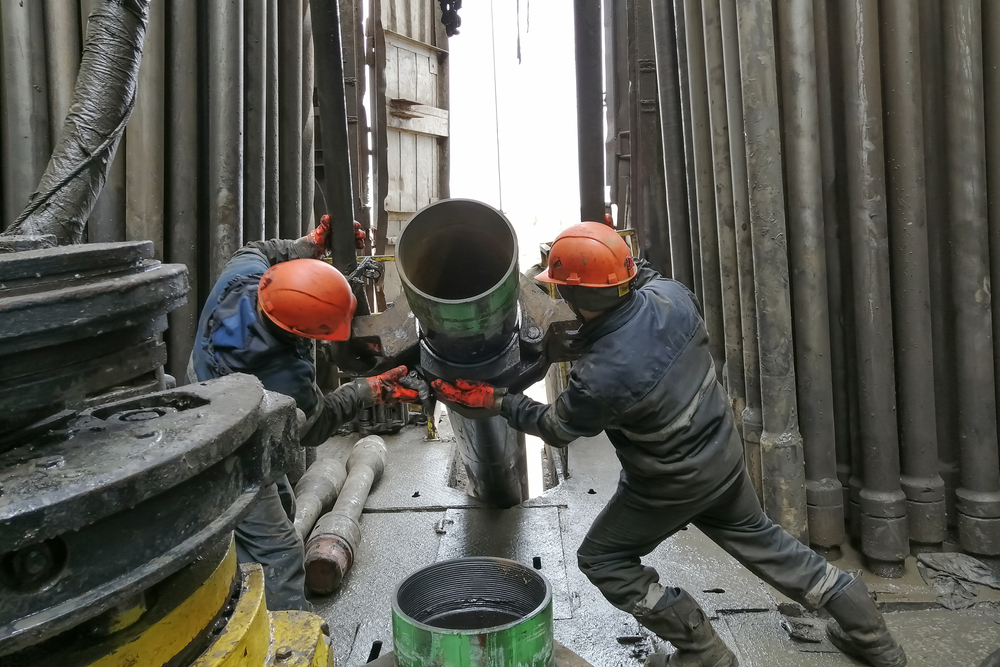
Ensuring the safety of your drilling crew is critical. It prevents accidents, maintains productivity, and keeps your operations compliant with regulations. Drilling work involves significant hazards. Effective training is key to preventing injuries and fatalities on the job. According to the U.S. Occupational Safety and Health Administration (OSHA), worker safety awareness and structured training are essential for any safety program in drilling and servicing operations. Crews need to understand the hazards they may face and the steps to perform their work safely. Proper training helps teams identify and control risks before incidents occur. This improves both safety and overall operational performance.
Key Takeaways
- Safety training is essential to prevent accidents and ensure regulatory compliance in drilling operations
- Crews must be trained in equipment use, hazard identification, and emergency response procedures
- Hazard awareness and offshore-specific training help address high-risk and specialized environments
- Hands-on drills and risk management training improve real-world response and decision-making
- Continuous evaluation and updates keep safety programs effective and aligned with evolving risks
Understanding Drilling Rig Safety Training for Crew
Drilling rig safety training for crew members is the foundation of a safe working environment. Proper training should cover the operation of drilling equipment, emergency procedures, hazard identification, and adherence to regulatory standards. Using the right tools also plays a major role in safety, as equipment designed for high-pressure environments helps crews maintain control and reduce operational risks. For a deeper understanding of the equipment that supports safe drilling operations, explore this guide to essential oilfield tools and equipment.
Key elements of drilling rig safety training for crew include:
- Comprehensive instruction on rig equipment operation
- Emergency evacuation and response procedures
- Personal protective equipment usage
- Communication protocols for safety alerts
Implement Rig Site Hazard Awareness Training
Hazard awareness is essential for minimizing accidents on drilling sites. Rig site hazard awareness training educates crew members to identify, assess, and respond to potential dangers. This type of training empowers employees to proactively address risks, whether dealing with heavy machinery, flammable materials, or environmental hazards.
Some effective practices for hazard awareness training include:
- Conducting regular site inspections with crew participation
- Creating detailed hazard maps of high-risk areas
- Running scenario-based exercises to simulate real incidents
- Encouraging open reporting of safety concerns
Regularly reinforcing these practices helps crews stay alert to changing site conditions and emerging risks. Over time, this proactive approach reduces incidents and strengthens overall safety awareness across the operation.
Incorporate Offshore Drilling Crew Safety Training
Offshore environments present unique challenges that require specialized safety training. Offshore drilling crew safety training ensures that employees understand the specific risks associated with maritime operations, including weather hazards, confined spaces, and emergency evacuation procedures. This training is crucial for reducing incidents and ensuring compliance with maritime safety standards.
Effective offshore safety training can include:
- Life-saving equipment operation drills
- Emergency evacuation and muster station procedures
- Cold-water survival and first aid training
- Compliance with maritime and offshore regulatory guidelines
Implementing these training programs helps crews respond quickly and effectively in emergencies. Regular practice also builds confidence, reduces errors, and promotes a culture of safety across all offshore operations.
Use Hands-On Drilling Rig Safety Drills
Hands-on drilling rig safety drills provide crew members with practical experience in managing emergencies. These drills simulate real-life scenarios such as equipment malfunctions, fire outbreaks, or hazardous spills. Participating in drills helps crews develop muscle memory for emergency responses, reduces reaction times, and reinforces the importance of teamwork under pressure. The table below outlines key best practices to help you plan and execute effective safety drills.
| Hands-On Drilling Rig Safety Drills | Best Practices |
| Purpose | Provide crew members with practical experience managing emergencies such as equipment malfunctions, fire outbreaks, or hazardous spills. |
| Skill Development | Develops muscle memory, reduces reaction times, and reinforces teamwork under pressure. |
| Scheduling | Conduct regular drills to reinforce skills and ensure preparedness. |
| Role Rotation | Rotate roles among crew members so everyone understands all responsibilities. |
| Performance Review | Evaluate drill outcomes and discuss improvements to strengthen responses. |
| Integration | Combine hands-on drills with classroom training for a comprehensive learning experience. |
Consistently applying these best practices ensures that safety drills remain effective and relevant to real-world conditions. Over time, this approach strengthens crew preparedness and builds a more resilient, safety-focused operation.
Implement Drilling Rig Risk Management Training
Drilling rig risk management training teaches crew members how to anticipate, evaluate, and mitigate potential hazards before they escalate. This type of training focuses on decision-making, preventive measures, and the use of safety technologies to manage operational risks.
Components of effective drilling rig risk management training include:
- Risk assessment workshops: Teach crew to evaluate potential hazards and prioritize mitigation strategies
- Incident reporting protocols: Standardize reporting methods to improve safety analytics
- Equipment maintenance procedures: Reduce risks associated with mechanical failures
- Emergency response planning: Develop contingency plans for various critical scenarios
By integrating risk management into regular training, crews are better prepared to handle unexpected events. This approach also helps maintain operational continuity and strengthens overall safety performance.
Evaluate and Improve Your Safety Training Program
Training should not be a one-time effort. Continuous evaluation ensures your drilling rig safety training remains effective, relevant, and aligned with evolving site conditions and regulations. Without proper assessment, gaps in knowledge and performance can go unnoticed, increasing operational risk.
To measure training effectiveness, track both leading and lagging indicators. This includes participation rates, drill performance scores, incident reports, and near-miss data. Reviewing these metrics helps identify weaknesses in training content or delivery methods and allows you to make targeted improvements.
Key ways to evaluate and improve your program include:
- Conducting post-training assessments to measure knowledge retention
- Analyzing incident and near-miss reports to identify training gaps
- Gathering crew feedback on training clarity and relevance
- Updating training materials based on new equipment, technologies, or regulations
Regular evaluation creates a feedback loop that strengthens your overall safety strategy. It ensures your crew stays prepared, informed, and capable of handling both routine operations and unexpected challenges.
Training Crew on Emergency Shutoff Systems
Reliable emergency shutoff systems are essential for safe and efficient oil rig operations. Training your crew to properly operate, inspect, and respond to these systems reduces failure risks and ensures consistent shutdown performance in critical situations.
As an API-certified provider of BOP repair and remanufacturing services, BOP Products LLC supports safe operations with solutions that meet strict industry standards for inspection, testing, and performance. The company’s technicians use advanced control systems and testing equipment, helping crews better understand system functionality and safe handling practices in offshore environments.
Looking to strengthen your crew’s ability to respond during critical shutdown scenarios and prevent costly downtime? Contact us for expert support and technical solutions that enhance both safety training and operational reliability.