Blowout preventers (BOPs) are among the most important safety systems used during drilling operations. These pressure control devices help prevent uncontrolled releases of oil, gas, or drilling fluids, making regular inspections essential for protecting personnel, equipment, and the environment. Following proper BOP inspection requirements helps operators identify wear, verify equipment performance, and maintain reliable well control throughout a project.
According to the U.S. Bureau of Safety and Environmental Enforcement (BSEE), well control equipment must undergo routine inspection, testing, and maintenance to help ensure safe offshore drilling operations. These requirements reflect the industry’s focus on preventing equipment failures before they lead to costly incidents. Whether operating onshore or offshore, a well-maintained blowout preventer system is a critical part of every drilling program.
Key Takeaways
- Regular BOP inspections help identify wear, damage, and potential failures before they affect drilling operations
- Inspection schedules should include visual checks, function tests, pressure tests, and preventive maintenance
- Proper documentation supports regulatory compliance, equipment traceability, and maintenance planning
- Following manufacturer recommendations and applicable industry standards improves equipment reliability
- Working with experienced inspection and repair providers helps maintain dependable well control systems
What Are BOP Inspection Requirements?
BOP inspection requirements are the procedures used to verify that a blowout preventer system is operating safely and as designed. These requirements include visual inspections, functional testing, pressure testing, maintenance, repairs, and documentation. Together, these activities help reduce the risk of equipment failure during drilling operations.
Inspection requirements vary depending on the type of BOP, drilling environment, operating conditions, and regulatory standards. Operators must also follow manufacturer recommendations and applicable industry requirements to keep equipment in proper working condition. A consistent inspection program supports safer operations while extending equipment service life.
Why Regular BOP Inspections Matter
A blowout preventer serves as the last line of defense when unexpected well pressure occurs. If the equipment does not function properly, the consequences can include equipment damage, environmental harm, costly downtime, and serious safety risks. Routine blowout preventer inspections help identify problems before they become critical failures.
Regular inspections also improve maintenance planning and reduce unexpected repairs. By monitoring seals, hydraulic systems, control components, and structural parts, operators can schedule maintenance during planned shutdowns instead of responding to emergency failures. This proactive approach improves operational efficiency and equipment reliability.
Core Components That Require Inspection
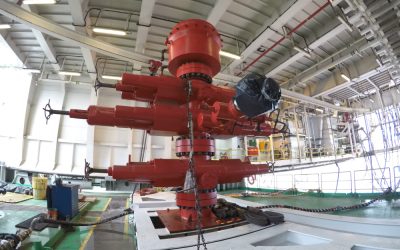
Every blowout preventer system includes multiple components that work together to maintain well control. Each part should be inspected according to established maintenance schedules and operating procedures. Missing a single worn component can affect the performance of the entire system. The growing use of automation in oilfield tools is also helping improve consistency and operational oversight across drilling equipment.
Inspection typically includes:
- Ram preventers
- Annular preventers
- Hydraulic control systems
- Control panels
- Valves and actuators
- Connectors and flanges
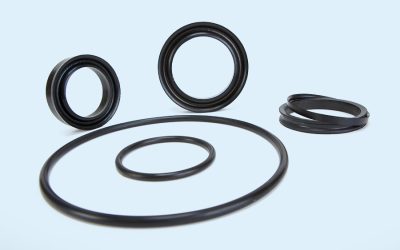
- Elastomer seals
- Pressure gauges
- Choke and kill line connections
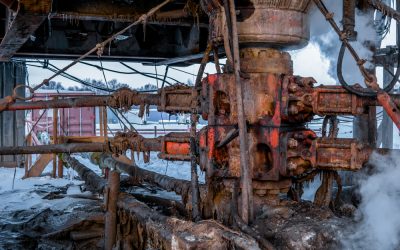
Inspectors also examine equipment for corrosion, leaks, damaged components, loose fasteners, and signs of excessive wear. Addressing these issues early helps prevent larger maintenance problems later. Advances in automation in oilfield tools are also improving how inspections are tracked and documented across drilling operations.
BOP Testing Requirements
Testing is an essential part of meeting BOP testing requirements. While visual inspections identify visible defects, testing confirms that equipment performs correctly under operating conditions. Together, inspections and testing provide greater confidence in the reliability of the well control system.
Common testing activities include function testing, pressure testing, hydraulic system verification, and control system checks. These tests confirm that rams close properly, annular preventers seal effectively, hydraulic systems respond correctly, and control panels activate equipment as designed. Testing intervals should follow regulatory requirements, manufacturer recommendations, and the operator’s maintenance program.
BOP Inspection Checklist
A standardized inspection checklist helps operators perform consistent evaluations and maintain complete inspection records. Checklists also reduce the chance of overlooking important components during scheduled maintenance. Digital systems and automation in oilfield tools are increasingly being used to improve checklist accuracy and streamline inspection reporting.
| Inspection Area | What to Verify | Purpose |
| Visual Inspection | Cracks, corrosion, leaks, damaged parts | Detect visible defects |
| Pressure Testing | Pressure integrity of seals and components | Verify pressure containment |
| Function Testing | Ram and annular operation | Confirm operational performance |
| Hydraulic System | Fluid levels, hoses, fittings, leaks | Maintain hydraulic reliability |
| Control System | Panel operation and response times | Verify proper equipment control |
| Documentation | Inspection records and maintenance history | Support compliance and planning |
Using a structured checklist improves consistency across inspection programs. It also creates a clear maintenance history that helps technicians identify recurring issues and make informed repair decisions over time. This documentation also supports traceability and helps improve long-term equipment reliability and safety.
Documentation and Compliance
Inspection documentation is just as important as the inspection itself. Accurate records demonstrate that inspections, testing, maintenance, and repairs have been completed according to established procedures. These records also support audits, regulatory reviews, and future maintenance planning. Documentation should include inspection dates, equipment identification, testing results, corrective actions, replacement parts, and technician information. Maintaining organized records improves traceability while helping operators schedule future inspections more efficiently.
Common Issues Found During Oilfield BOP Inspections
Routine oilfield BOP inspections often identify problems before they affect drilling operations. Many issues develop gradually through normal equipment wear, environmental exposure, or repeated operating cycles. Detecting these conditions early helps reduce repair costs and improve equipment reliability.
Some of the most common findings include worn sealing elements, hydraulic leaks, corrosion, damaged connectors, pressure loss, faulty valves, and aging elastomer components. Addressing these issues promptly helps maintain dependable well control while reducing unplanned downtime.
Best Practices for Well Control Equipment Inspections
Effective well control equipment inspections involve more than meeting minimum inspection intervals. A comprehensive maintenance program combines scheduled inspections, preventive maintenance, performance testing, and timely repairs to support long-term equipment reliability. Operators should also ensure technicians are properly trained and familiar with the specific BOP systems being serviced.
Additional best practices include following manufacturer recommendations, replacing worn components before failure, calibrating testing equipment, maintaining complete service records, and using qualified inspection providers. These practices help improve safety while reducing the risk of unexpected equipment failures during drilling operations.
Maintaining Reliable Drilling Rig Tools & Well Control Systems
Reliable drilling rig tools and equipment are essential for safe and efficient oil and gas operations. Regular inspections, pressure testing, and preventive maintenance help reduce equipment failure, improve operational performance, and maintain proper well control during drilling activities.
As a provider of pressure control equipment and services, BOP Products delivers precision-engineered solutions designed to support safe drilling operations. With expertise in manufacturing, repair, inspection, and testing, the company helps operators maintain dependable blowout preventer systems and critical well control equipment under demanding drilling conditions.
Looking to improve drilling safety and well control performance? Contact us for reliable equipment solutions and expert support that help maintain safe, efficient, and compliant drilling operations.