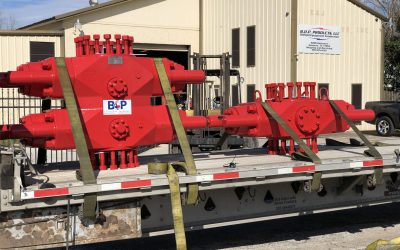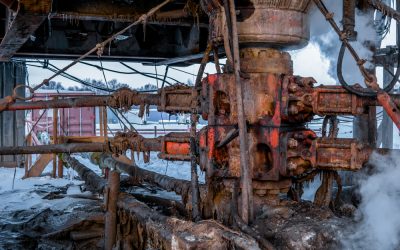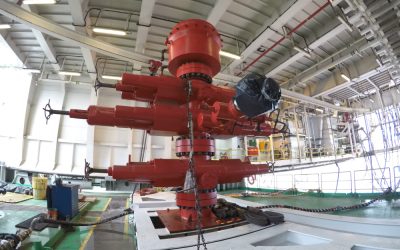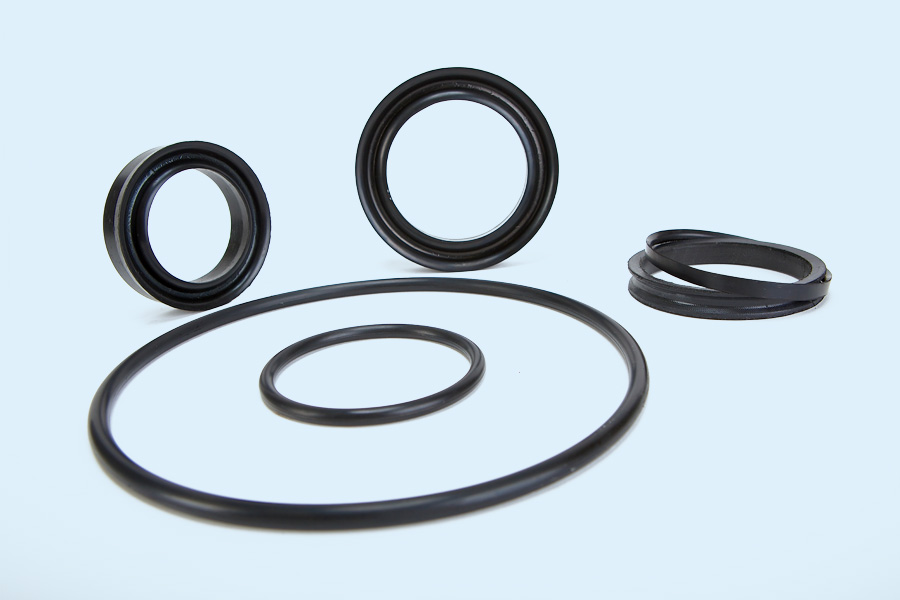
Selecting the right elastomer is an important part of maintaining the sealing performance of a blowout preventer (BOP). The material needs to withstand the temperatures, pressures, drilling fluids, hydrocarbons, gases, and other conditions it may encounter during operation. According to the U.S. Energy Information Administration, U.S. crude oil production averaged 13.2 million barrels per day in 2024, highlighting the scale and demanding operating environment of modern oil and gas production. Choosing an elastomer that matches the application helps support consistent sealing performance and dependable BOP operation.
Key Takeaways
- Match the elastomer to actual well conditions
- Consider temperature and pressure together
- Check compatibility with drilling and well fluids
- Account for gas, H₂S, and chemical exposure
- Use qualified materials and follow equipment requirements
What Are BOP Elastomers?
BOP elastomers are flexible sealing materials used in components such as annular preventers and ram preventers. In an annular BOP, the elastomeric sealing element closes around the drill pipe, drill collar, casing, or other equipment in the wellbore.
These materials must maintain their shape and sealing capability while being exposed to demanding operating conditions. Temperature changes, pressure, fluid exposure, extrusion forces, repeated closing and opening, and mechanical wear can all affect elastomer performance. Common elastomer families used in oilfield sealing applications include NBR, HNBR, FKM, and FEPM/AFLAS-type materials. The right choice depends on the specific application rather than simply selecting the material with the highest temperature rating.
Start With the Actual Operating Conditions
The first step in BOP elastomer selection is to define what the seal will experience in service. A material that performs well in one well may not be appropriate for another because the combination of temperature, pressure, fluids, and mechanical conditions can be very different.
Before selecting a seal, establish:
- Expected operating temperature and temperature excursions
- Working and test pressure requirements
- Drilling fluid and completion fluid composition
- Hydrocarbon exposure
- Gas composition
- Presence of H₂S or other aggressive chemicals
- Exposure duration
- Pressure cycling frequency
- Required service life
- BOP component and seal design
API documentation for drill-through equipment specifically recognizes the need to establish temperature ranges for wellbore elastomeric materials and other elastomeric seals. The important point is to evaluate the complete service envelope, not one operating parameter in isolation. Working with a licensed BOP manufacturer can also help ensure that elastomer and sealing components are manufactured and tested according to applicable equipment requirements
Temperature Can Change Elastomer Performance
Temperature is one of the most important factors in elastomer selection. At elevated temperatures, elastomers can experience changes in hardness, strength, compression set, chemical resistance, and long-term aging. At lower temperatures, some materials can become less flexible, which may affect their ability to conform to sealing surfaces.
For that reason, selection should consider both the normal operating temperature and the highest temperature the elastomer may encounter. Short-term temperature excursions can matter as well, particularly when equipment experiences changing well conditions. A temperature rating should also be considered alongside the pressure and fluid environment. A material that handles high temperatures well may still be unsuitable if it has poor resistance to the particular drilling fluid or gas present in the well.
Pressure and Extrusion Resistance Matter
Pressure places significant demands on both the BOP and its sealing elements. As differential pressure increases, the elastomer may be pushed toward clearances within the sealing system. For this reason, extrusion resistance is an important factor when selecting an elastomer for high-pressure applications.
When reviewing an elastomer for a BOP application, consider:
Pressure differential
Identify the expected pressure across the sealing element. This helps determine the material and seal design requirements. Higher pressure differentials may require additional consideration of seal support and resistance to extrusion.
Seal geometry
Consider how the sealing element is designed to respond to pressure. Proper geometry can help maintain effective contact under operating conditions. The design should also account for installation conditions and movement to support consistent sealing performance.
Clearance and extrusion risk
Review the available clearances around the sealing element. Smaller or controlled clearances can help limit unwanted elastomer movement. Excessive clearance can increase the risk of extrusion, particularly under higher pressure conditions.
Pressure cycling
Consider how often the seal will experience pressure changes. Repeated cycling can affect elastomer wear and long-term performance. Selecting a suitable seal material and design can help improve durability during repeated pressure changes.
The elastomer and BOP sealing system should always be evaluated together to ensure the material suits the complete application. This helps account for pressure, seal geometry, operating conditions, and material performance as part of the same selection process.
Fluid Compatibility Is a Major Selection Factor
An elastomer may perform well mechanically but deteriorate when exposed to an incompatible fluid. Chemical exposure can cause swelling, shrinkage, softening, hardening, cracking, or loss of mechanical properties. BOP elastomer selection should therefore consider every significant fluid the seal may contact during the expected service period.
This can include:
- Water-based drilling fluids
- Oil-based drilling fluids
- Synthetic-based fluids
- Completion fluids
- Brines
- Hydrocarbons
- H₂S-containing environments
- Treatment chemicals
- Cleaning agents
Compatibility data from the elastomer manufacturer should be reviewed against the actual fluid formulation and operating temperature. Generic statements such as “oil resistant” do not provide enough information for a critical well-control application.
Choosing Between Common Elastomer Families
Different elastomer families offer different combinations of temperature capability, chemical resistance, mechanical properties, and cost. The following comparison provides a general starting point, but the exact compound formulation and application qualification should always be verified with the manufacturer.
| Elastomer family | Typical strengths | Key considerations | Common selection considerations |
| NBR | Good mechanical properties and broad oil resistance | Temperature and chemical limits vary by formulation | General oilfield applications where conditions are within the compound’s qualified range |
| HNBR | Improved temperature, mechanical, and aging performance compared with standard NBR | Compound-specific chemical compatibility still needs verification | More demanding temperature and mechanical environments |
| FKM | Strong resistance to many hydrocarbons and elevated temperatures | Performance can vary significantly with formulation and chemical environment | High-temperature or chemically demanding applications where qualified |
| FEPM / AFLAS-type | Strong resistance to heat, steam, amines, and certain aggressive fluids | Not universally compatible with every hydrocarbon or low-temperature condition | Applications requiring a particular combination of chemical and temperature resistance |
The table is useful for narrowing the field, but it should not be treated as a substitute for application-specific qualification. Elastomer performance can vary considerably between compounds within the same polymer family.
Consider H₂S and Sour-Service Conditions
Sour-service environments require additional attention because hydrogen sulfide can create demanding conditions for well-control equipment and sealing materials. If H₂S is expected, the elastomer should be specifically evaluated for the intended sour-service conditions. Temperature, pressure, fluid composition, exposure time, and compound formulation all influence suitability.
Do not assume that an elastomer suitable for hydrocarbon service is automatically appropriate for sour service. Material selection should follow the applicable equipment requirements, project specifications, and qualified manufacturer data.
Think About the Whole BOP System
Elastomer selection should not happen independently of the BOP design. The sealing element works within a larger system that includes the body, closing mechanism, sealing geometry, hardware, and other components. For example, an elastomer with excellent chemical resistance may not be the best choice if its mechanical properties do not suit the sealing design. Likewise, a material with a high temperature capability may not provide the desired performance under the specific pressure and cycling conditions of the application.
A good selection process therefore considers the material, seal design, BOP configuration, well conditions, and operating cycle as interconnected factors. This broader view helps prevent a common mistake: choosing an elastomer based on one impressive property while overlooking the conditions that actually determine seal performance.
Review Qualification and Manufacturer Data
For critical BOP applications, material selection should be supported by documented technical information rather than assumptions based on a generic elastomer name. Review available information covering:
- Temperature range
- Pressure conditions
- Fluid compatibility
- Mechanical properties
- Compression set
- Abrasion and wear resistance
- Gas compatibility
- Sour-service suitability where applicable
- Aging behavior
- Applicable qualification or testing requirements
API currently lists API Std 53, Well Control Equipment Systems for Drilling Wells, as an industry standard within its standards catalog. The applicable edition, equipment specification, regulatory requirements, and project requirements should be confirmed for the particular BOP system. For replacement seals, the original equipment manufacturer’s requirements and the approved elastomer specification should also be checked before substituting materials.
Don’t Choose Based on Temperature Alone
Temperature is often the first specification people look at, but it should not be the only one. A high-temperature elastomer can still be the wrong choice if it has poor compatibility with the drilling fluid, gas, chemical additives, or other conditions in the well. A more reliable approach is to rank the requirements based on the actual service environment:
- Define the complete operating envelope
- Identify the fluids and gases involved
- Determine the required temperature capability
- Review pressure and extrusion conditions
- Check chemical and sour-service compatibility
- Compare qualified elastomer compounds
- Confirm the choice against BOP and project requirements
This process gives the selection team a clearer basis for comparing materials and documenting why a particular compound was chosen. It also makes it easier to identify potential trade-offs between performance, compatibility, and service requirements. By using consistent criteria, the team can make more informed decisions and reduce the risk of selecting a material that is unsuitable for the intended application.
Inspection and Maintenance Still Matter
Even the right elastomer can deteriorate if it is stored, installed, or maintained improperly. Sealing elements should be inspected according to the equipment manufacturer’s procedures and applicable maintenance requirements. During inspection, look for signs such as:
- Cracking
- Cuts or tears
- Excessive wear
- Hardening or softening
- Swelling
- Surface damage
- Deformation
- Chemical deterioration
Storage conditions also matter. Elastomeric components should be protected from conditions that can accelerate aging or damage, following the manufacturer’s storage recommendations. When a BOP seal is removed from service, examining its condition can provide useful information about the operating environment. For example, unusual swelling, cracking, or wear may indicate that the material or operating conditions need further investigation.
Choosing the Right BOP Elastomer Requires Careful Evaluation
Choosing the right BOP elastomer requires careful consideration of temperature, pressure, fluid compatibility, gas exposure, mechanical demands, and the specific design of the sealing system. Reviewing these factors together helps operators and drilling contractors select materials that support dependable BOP performance and well-control requirements.
As a provider of pressure control equipment and services, BOP Products delivers precision-engineered solutions designed to support safe drilling operations. With expertise in manufacturing, repair, inspection, and testing, the company helps operators maintain dependable blowout preventer systems and critical well control equipment under demanding drilling conditions.
Looking to improve drilling safety and well control performance? Contact us for reliable equipment solutions and expert support that help maintain safe, efficient, and compliant drilling operations.