Workers caught in the midst of a well blowout may sustain catastrophic injuries or even be killed. When wells blow, they tend to blow big, and they cause oilfield accident fatalities every year.
The danger of well blowouts in the oil and gas industry is everpresent. Stopping them takes a lot of time, money, and risk, so prevention is the key to mitigate that risk. Share on XThe threat of catastrophic oil well blowouts is always a risk with drilling applications. It’s important that those working in the oil and gas industry have an understanding of the risk of underground blowouts and preventing them using blowout control equipment.
What is a Well Blowout?
A blowout occurs when a sudden spike in well pressure shoots the well’s contents from ground-level. Drilling wells sustain pressure from the earth’s crust and also use internal pressure to keep fluids circulating. However, disruptions can reverse the flow of well contents and drive them back to the earth’s surface with extreme force.
How Can They Be Stopped?
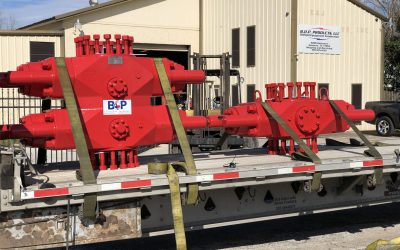
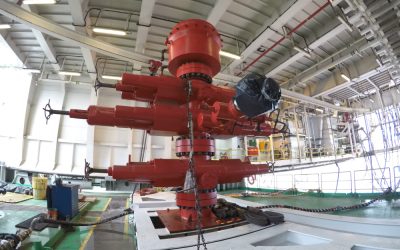
The best approach to handling a blowout is to make sure it doesn’t happen in the first place. A blowout preventer is used to prevent the uncontrolled flow of formation fluids during drilling operations. The two most widely used types of BOPs are Ram BOPs and Annular BOPs. A Ram BOP is designed to quickly close the well during operations, preventing oil from escaping. While annular BOPs provide an essential seal on top of a stack of other BOPs to keep particularly high-pressure wells under control.
How Do Blowouts Affect Workers?
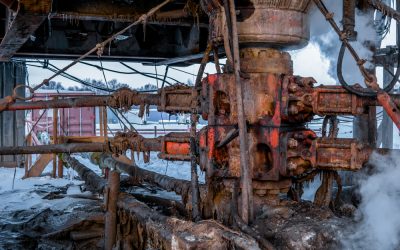
The sudden release of pressure at the surface can shoot equipment parts, snap heavy cables, and destabilize the derrick. Bystanders can sustain blunt force trauma, lacerations, amputation, and other concussive injuries. Blowouts also release flammable hydrocarbons that can ignite from sparks or friction, fueling explosions and rig fires that cause burn injuries. They can even tap toxic gases such as methane, carbon monoxide, carbon dioxide, and hydrogen sulfide.
Well Blowout Prevention
To prevent a well blowout in drilling, workers should be trained properly and know how to act in the event of an emergency. Those on duty should be aware of how their blowout prevention equipment behaves in extreme conditions and BOPs should be kept in good condition to continue functioning accurately.
Join the conversation to learn more about well blowouts in the oil and gas industry.