One of the most critical questions for an oil drilling employee or well owner is “How do BOPs work?” Blowouts cause disasters in drilling operations leading to serious injuries and even death. However, a blowout preventer (BOP) prevents these costly and dangerous oil well accidents. This guide looks at how BOPs can help avert oil and gas disasters.
Oil-well blowouts happen when there is an uncontrolled release of crude oil at high pressure from the well. It occurs when there are kicks–the unexpected flow of formation fluid into a well. A blowout preventer has a large valve on the well’s surface, preventing potential kicks or blowouts.
How do BOPs work? This article tells you more about this oil well blowout prevention equipment, including how it works. Share on XThe Importance of a Blowout Preventer
RAM valves have blind valves to close any openings without a drill string. It also has a choke line valve to direct mud to the choke manifold in a case of a kick.
An accumulator prevents emergencies by controlling the systems that interconnect. Other BOP units and their backups rely on the accumulator for power to run if the system fails.
RAM BOP has a tight seal to prevent oil and gas from getting into the well. Other parts like kill line valves and choke manifolds ensure a controlled oil flow when necessary.
Different Parts for Different Roles
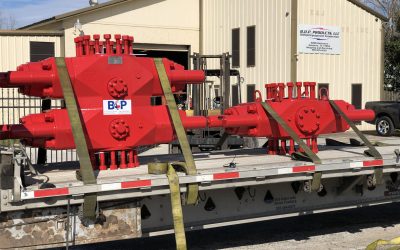
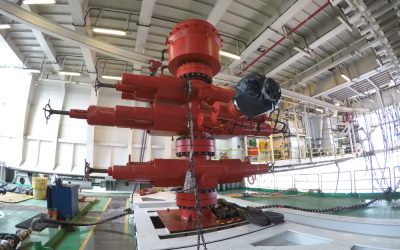
Blowout preventers have two main parts; the annular blowout preventer and the ram blowout preventer. The ram-type bop moves two rods horizontally across the well and has ram blocks to create a seal around the pipe ram.
An annular bop closes unsealed parts around the drill pipe’s diameter to control airflow for drilling fluid without interfering with other elements.
An accumulator is the main control unit for all the interconnecting systems. In addition, it has other parts like the control valves, compressed gas bottles, and a hydraulic reservoir. This part is powerful enough to run BOP units and their backups if a system fails.
API equipment has flagged crosses and drilling spools for repairing the BOP. Oil well engineers can also customize new API equipment for the oil well.
Blowout Preventers Ensure Safety
Blowout preventers have valves to control kicks, reducing the chances of blowouts. The spilled oil is dangerous because it could catch fire leading to deaths. BOPs also ensure the safety of the oil because oil spills lead to losses.
BOP Products Can Help
Before getting a BOP for your oil well, you should ask, “How do BOPs work?” Then, you can choose between RAM and annular BOPs, although these two works together. The good news is that BOP Products can help you get the best oil and gas drilling equipment, including BOPs.
Contact us for more information on how BOPs work.