In the oil and gas industry, a leaky well could spell disaster. Not only will repairs cost the company money, but the spilled oil is dangerous to workers and wildlife alike. Fortunately, helpful devices known as blowout preventers prevent this disaster from happening.
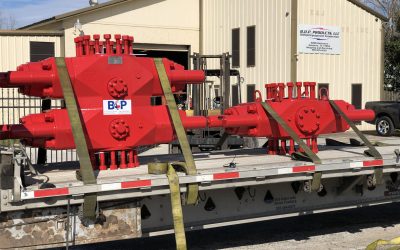
Simply put, blowout preventers (BOPs) keep the oil well safely sealed to prevent damages and revenue loss. Various types of BOPs serve slightly different purposes and may help with a certain type of oil well problem more than another. Before you decide which type you need, you must first understand what each type does.
A blowout preventer for your oil well will make a huge difference. Learn which kind you need here.
Annular BOPs
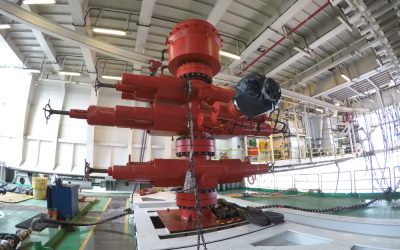
An annular blowout preventer is a large, specialized BOP used to seal, control and monitor oil and gas wells. It is usually installed above the ram preventers that forms a seal in the annular space between the pipe and wellbore or, if no pipe is present, over the wellbore itself.
RAM BOPs
A RAM BOP seals the well itself, preventing oil from escaping and foreign materials from getting in. It also allows for a controlled flow of oil when necessary. Depending on your needs, you may also find these variants on a standard RAM BOP useful:
- Kill line valves
- Choke line valves
- Blind RAMs
- Choke manifolds
Pro Tip: Some RAM BOPs include an option for remote operation! See if the model you need allows remote work.
API Equipment
These crucial parts for BOPs include flanged crosses, drilling spools, male and female adapters, and more for building and repairing quality BOPs. The equipment can be customized to fit whatever you may need for a BOP. Whether you’re repairing an old blowout preventer or customizing a new one to your oil well, quality API equipment has you covered.
Preventing Oil Well Blowouts
The basic function of a blowout preventer is, of course, to prevent an oil blowout. But each part of the overall BOP serves an important purpose in maintaining a seal over the well opening. Make sure you have all the equipment you need before assembling a full BOP.
Connect with us to learn more about blowout prevention and oil well safety.