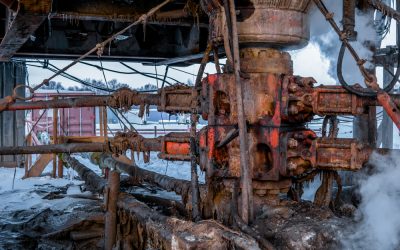
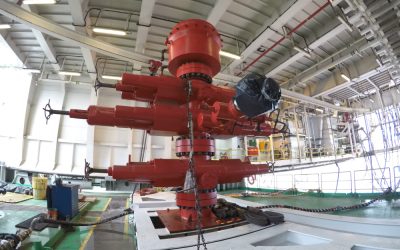
Are you having issues with your Ram Blowout Preventer (BOP)? In our years of experience, we have discovered some of the most common problems with BOP products and have compiled this comprehensive guide to finding and solving these issues. It is likely that the problem with your BOP is one of these issues. However, if this does not solve the problem, we offer services to regularly maintain and troubleshoot your equipment.
A BOP is utilized to manage fluid flow, commonly used in pipeline systems to mitigate fluid leaks or bursts. Listed below are a few typical failures of Ram BOPs, along with their causes and solutions.
1. Seeling Ring Damage
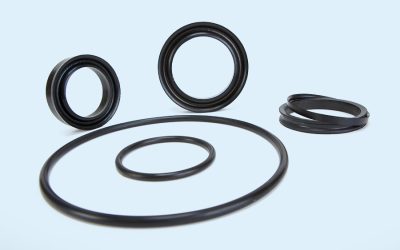
Sealing ring damage at the interface between the Ram BOP’s body and the side gate. Usually, this is because of prolonged use or incorrect installation that can cause damage to the sealing ring.
Regularly inspect the sealing ring’s condition and promptly replace any damaged rings to maintain the Ram BOP’s effective sealing performance.
2. Bolts are not Fastened Right
Bolts at the interface of the Ram BOP’s body and side gate are improperly fastened. This is often because of incorrect tightening of the bolts which can lead to an insecure connection between the Ram BOP’s body and the side gate.
Ensure proper tightening of bolts during installation and maintenance to secure the connection between the Ram BOP’s body and the side gate.
3. Debris or damage
Debris or damage on the sealing surface where the Ram BOP’s body meets the side gate. The presence of debris or damage on the sealing surfaces can cause leaks.
Regularly clean and inspect the sealing surfaces of the Ram BOP’s body and side gate to prevent contamination and ensure they remain undamaged.
4. Valve Misalignment
Misalignment between the actual movement direction of the Ram BOP and the indicated direction on the control valve. This may be due to operator error or misinterpretation during the setting of the Ram BOP’s movement direction.
Ensure comprehensive training and clear operational guidelines for operators to correctly set and align the Ram BOP’s movement direction according to control valve indications.
5. Inability to Close
The inability of the Ram BOP to achieve full closure. This may be caused by possible obstructions obstructing the Ram BOP’s movement or damaged valve components.
Conduct a thorough inspection to identify and remove any obstructions hindering the Ram BOP’s operation. Replace or repair damaged valve components as needed to restore functionality.
6. Well fluids infiltrating into the oil cylinder
Well fluids infiltrate into the oil cylinder, resulting in the presence of water and air in the oil. This may be caused by well fluids seeping into the oil cylinder, causing contamination with water and air.
To solve this, improve the sealing between the well and oil cylinder to prevent fluid infiltration. Regularly inspect and maintain the oil cylinder, replacing contaminated oil as required.
Need Help Troubleshooting BOP Equipment?
Regular inspection, maintenance, and correct operation are crucial to prevent failures in Ram BOPs. Providing thorough training to operators on proper procedures enhances safety and reduces the risk of equipment malfunctions. If you need further assistance with your BOP or would like to discuss it with a professional, reach out to BOP Products now!