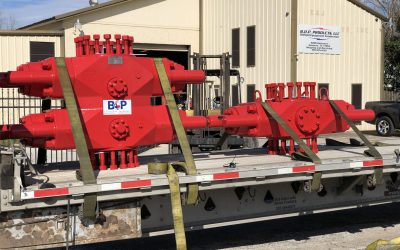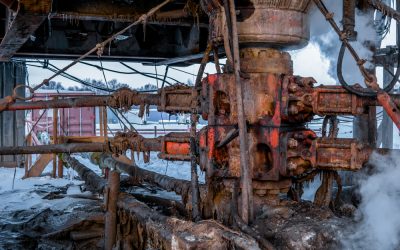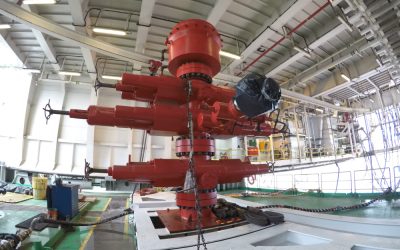
Blowout preventers (BOPs) are one of the most important safety systems on any drilling rig. They help control well pressure and prevent uncontrolled releases that can threaten workers, equipment, and the environment. According to the U.S. Bureau of Safety and Environmental Enforcement (BSEE), effective well control equipment and proper maintenance are critical to preventing well control incidents and maintaining safe drilling operations.
Among the most important components of a ram-type blowout preventer are pipe rams and blind rams. While both are designed to shut in a well, they perform different functions. Choosing the right BOP configuration depends on your drilling operation, the equipment in use, and the level of well control required. This guide explains the differences between pipe rams and blind rams, how each works, and how they work together to improve drilling safety.
Key Takeaways
- Pipe rams seal around the drill pipe to maintain well control during drilling
- Blind rams seal an open wellbore when no pipe is present
- Most BOP stacks use both ram types to provide flexible well control
- Selecting the right RAM depends on drilling conditions and operational needs
- Regular inspection and maintenance help keep ram preventers ready for service
Understanding Ram Blowout Preventers
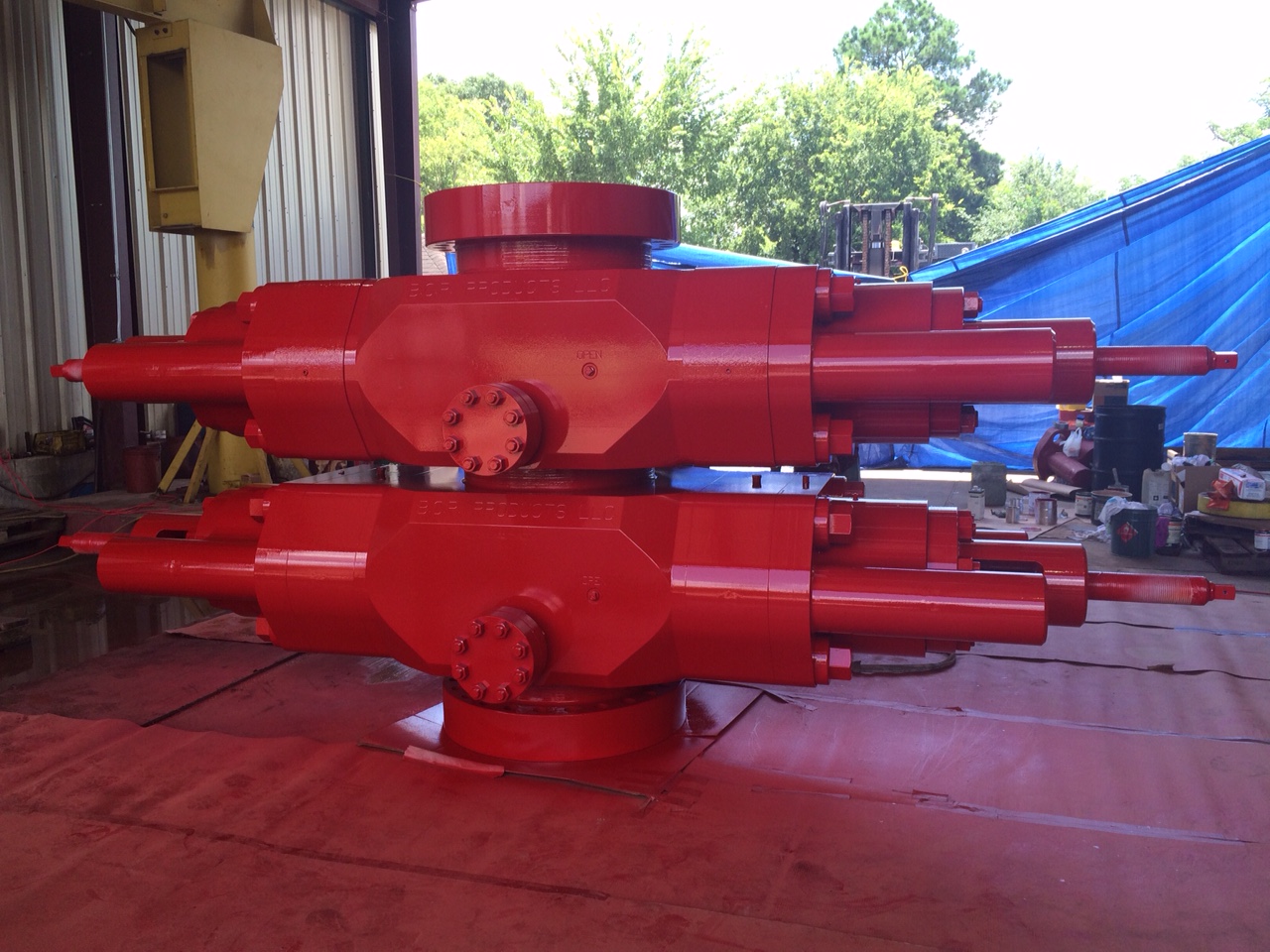
Ram blowout preventers are pressure control devices designed to close the wellbore during drilling operations. Unlike annular preventers that use a flexible sealing element, ram preventers use steel blocks fitted with sealing elements that move horizontally into the wellbore.
Hydraulic pressure drives the rams together until they create a pressure-tight seal. Depending on the ram type installed, they can seal around the drill pipe or completely close an open wellbore. A typical BOP stack may include several types of ram preventers, including:
- Pipe rams
- Variable bore pipe rams
- Blind rams
- Blind shear rams
- Shear rams
Each serves a specific purpose in maintaining well control and helping crews respond to changing drilling conditions. Together, these different RAM types provide the flexibility needed to maintain well control throughout various stages of drilling operations. Understanding how each one functions helps operators select the right equipment for specific well conditions while supporting safer and more efficient drilling practices.
What Are Pipe Rams?
Pipe rams are designed to seal around a specific outside diameter of drill pipe, tubing, or casing. They close tightly around the pipe while leaving the pipe itself in place, allowing operators to maintain pressure control without removing the drill string. Because pipe rams seal around the outside of the pipe, they cannot close on an empty wellbore. They require the pipe to be centered within the ram cavity for the sealing elements to work properly.
How Pipe Rams Work
When hydraulic pressure activates the BOP, each ram moves horizontally toward the center of the bore. The elastomer sealing elements compress around the pipe while the steel ram blocks lock together to contain well pressure.
This design allows operators to:
- Stop formation fluids from reaching the surface
- Maintain circulation when appropriate
- Control pressure during drilling operations
- Isolate sections of the wellbore during emergencies
Proper sizing is essential because standard pipe rams are manufactured to seal around specific pipe diameters. When the drill string size changes, operators typically need to replace the ram blocks with the correct size unless the blowout preventer is equipped with variable-bore rams that can accommodate a range of pipe diameters.
Variable Bore Pipe Rams
Variable bore pipe rams provide greater flexibility by sealing around multiple pipe sizes within a specified range. Instead of changing ram blocks during operations, crews can continue drilling while maintaining reliable pressure control across different pipe diameters.
Variable bore rams are often selected because they:
- Reduce downtime
- Improve operational flexibility
- Minimize equipment changes
- Maintain dependable sealing performance
Although variable bore technology increases versatility, operators must still confirm compatibility with the planned drill string before drilling begins. By working together within the BOP stack, these ram preventers help crews respond quickly to pressure changes and potential well control events. Proper selection, operation, and maintenance of ram blowout preventers play a critical role in protecting personnel, equipment, and the environment during drilling operations.
Benefits of Pipe Rams
Pipe rams remain one of the most commonly used blowout preventer components because they provide dependable well control throughout active drilling. Their ability to create a reliable seal around the drill pipe helps operators maintain pressure control and reduce the risk of well control incidents during routine drilling operations. When properly selected, installed, and maintained, pipe rams play a critical role in supporting safe, efficient, and compliant drilling activities.
Some of their biggest advantages include:
| Benefit | Why It Matters |
| Seal around the drill pipe | Maintains pressure while the pipe remains in the well |
| High-pressure capability | Performs reliably under demanding drilling conditions |
| Fast hydraulic operation | Quickly responds during well control events |
| Durable construction | Built for repeated use in harsh environments |
| Available in multiple sizes | Supports different drilling programs |
When properly maintained, pipe rams provide consistent sealing performance throughout the life of the BOP. Regular inspections, timely replacement of worn sealing elements, and proper maintenance practices help ensure reliable operation and extend the overall service life of the equipment.
What Are Blind Rams?
Blind rams serve a different purpose than pipe rams. Instead of sealing around the pipe, blind rams completely seal the wellbore when no tubulars are present. Once the drill string has been removed from the BOP, blind rams close across the open bore to isolate well pressure from the surface. This capability provides an additional layer of protection during well servicing, workovers, maintenance activities, and certain emergencies. Unlike shear rams, blind rams cannot cut through drill pipes. If the pipe remains inside the bore, the rams cannot fully close.
How Blind Rams Work
Blind rams operate using the same hydraulic system as pipe rams. As hydraulic pressure pushes the ram blocks together, specially designed sealing elements meet in the center of the wellbore to create a complete pressure seal. Because no pipe is present, the sealing surfaces fully contact each other, preventing formation fluids from escaping.
Blind rams are commonly used when:
- The drill string has been removed
- Well intervention work is underway
- Equipment maintenance is being performed
- The well must remain securely shut in before operations resume
Their ability to isolate an open well makes blind rams an important component of many well control systems. When properly maintained and tested, they provide a dependable barrier that helps maintain well integrity and supports safe drilling and intervention operations.
Pipe Rams vs. Blind Rams at a Glance
The following comparison highlights the primary differences between these two essential types of BOP rams. Although both are designed to support well control, each serves a distinct purpose depending on whether drill pipe is present in the wellbore. Understanding when and how each type of RAM is used helps operators select the appropriate configuration for safe and efficient drilling operations.
| Feature | Pipe Rams | Blind Rams |
| Primary function | Seal around the drill pipe | Seal an open wellbore |
| Pipe required | Yes | No |
| Can close on open hole | No | Yes |
| Maintains pressure during drilling | Yes | No |
| Used after pipe removal | No | Yes |
| Typical application | Active drilling operations | Maintenance, workovers, emergency shut-in |
| Available as a variable bore | Yes | No |
Although these RAM types perform different functions, they are designed to complement one another. Most drilling operations require both to maintain well control under changing conditions. Together, they provide the flexibility needed to safely manage a variety of drilling, maintenance, and well intervention scenarios throughout the life of the well.
When to Use Pipe Rams
Pipe rams are designed for one primary job: maintaining well control while drill pipe, tubing, or casing remains inside the wellbore. They allow drilling operations to continue while keeping pressure safely contained. Because they seal tightly around the outside diameter of the pipe, pipe rams are commonly used throughout active drilling. If formation pressure begins to increase unexpectedly, operators can quickly close the pipe rams to isolate the well without removing the drill string.
Pipe rams are commonly used during:
- Routine drilling operations
- Managed pressure drilling
- Circulating drilling fluids
- Pressure testing
- Temporary well shut-ins with pipe in the hole
Selecting the correct pipe ram is critical. Standard pipe rams are manufactured for specific pipe sizes, so using the wrong ram can result in an ineffective seal. For drilling programs that use multiple pipe sizes, variable bore pipe rams provide greater flexibility and reduce downtime.
Best Practices for Pipe Ram Performance
Proper maintenance helps pipe rams perform as designed during critical well control events. Operators should follow a preventive maintenance program that includes regular inspections, testing, and replacement of worn components in accordance with manufacturer recommendations and applicable industry standards. Consistent maintenance practices help improve equipment reliability, reduce the risk of unexpected failures, and support safe drilling operations.
Operators should:
- Inspect RAM blocks for wear or damage.
- Check sealing elements for cracks, cuts, or deformation.
- Verify hydraulic operating pressure before deployment.
- Pressure test the BOP according to applicable regulations and company procedures.
- Replace worn sealing components during scheduled maintenance.
Routine inspection and testing help reduce the risk of equipment failure when fast, reliable well control is needed. Identifying and addressing wear or damage before it affects performance helps maintain the integrity of the blowout preventer and supports safe, uninterrupted drilling operations.
When to Use Blind Rams
Blind rams are used when the wellbore does not contain drill pipe. Instead of sealing around a tubular, they close against one another to completely shut in the open bore. They are commonly used after the drill string has been removed for maintenance, workover operations, or equipment changes. Blind rams also provide an additional barrier when a well must remain securely isolated before operations resume. Unlike pipe rams, blind rams cannot seal if drill pipe is still in the well. For that reason, they are not intended to replace pipe rams during normal drilling operations.
Blind rams are commonly used during:
- Planned maintenance
- Workover operations
- Well intervention
- Equipment replacement
- Temporary well suspension
Callout: Blind Rams vs. Blind Shear Rams
It is important not to confuse blind rams with blind shear rams, as each is designed for a different purpose within a blowout preventer stack. Blind rams are intended to close and seal the wellbore only when no drill pipe or tubulars are present. In contrast, blind shear rams are designed to cut through the drill pipe and then seal the wellbore when the pipe cannot be removed during an emergency. While both components play critical roles in maintaining well control, they are used under different operating conditions and provide different levels of emergency response capability.
How Pipe and Blind Rams Work Together in a BOP Stack
A modern BOP stack is designed with multiple layers of protection. Rather than relying on a single ram type, most drilling operations use several ram preventers that perform different functions throughout the life of the well.
A typical sequence might look like this:
| Drilling Stage | Ram Type Used | Purpose |
| Active drilling | Pipe rams | Seal around the drill pipe while drilling continues |
| Pipe size changes | Variable bore pipe rams | Accommodate different pipe diameters |
| Pipe removed | Blind rams | Seal the open wellbore |
| Emergency with a pipe in a hole | Blind shear rams | Shear the pipe and seal the well |
Using multiple ram types gives operators greater flexibility while improving overall well control. No single RAM can safely handle every drilling scenario. A properly configured BOP stack combines several pressure control components to provide reliable protection throughout drilling, completion, and maintenance operations.
Choosing the Right BOP Configuration
Selecting the right combination of ram preventers depends on several operational factors. Every drilling program has unique requirements, so BOP configurations should be matched to the expected well conditions. Before selecting pipe rams, blind rams, or other ram types, consider the following:
1. Drill Pipe Size
Standard pipe rams seal only around their designated pipe diameter. If multiple pipe sizes will be used, variable bore pipe rams may provide a more efficient solution.
2. Expected Well Pressure
Higher-pressure wells require ram preventers that are properly rated for anticipated operating conditions. Pressure ratings should always meet or exceed the maximum expected surface pressure.
3. Type of Drilling Operation
Land drilling, offshore drilling, workovers, and intervention projects all have different well control requirements. The BOP stack should reflect the specific risks associated with each operation.
4. Regulatory Requirements
Equipment must comply with applicable standards, including API 16A and other customer or regulatory specifications. Routine inspection, testing, and certification help maintain compliance throughout the equipment’s service life.
5. Maintenance Planning
Choosing high-quality ram preventers is only part of the equation. Regular inspection, replacement of sealing elements, pressure testing, and preventive maintenance help maximize equipment life while reducing unexpected downtime.
Common Mistakes When Selecting Ram Preventers
Even high-quality blowout preventers can underperform if they are improperly selected or maintained. Choosing the correct RAM configuration for the application and following a consistent inspection and maintenance program are essential for reliable well control performance throughout drilling operations.
Avoid these common mistakes:
- Installing pipe rams that do not match the drill pipe size
- Assuming blind rams can close on the pipe
- Delaying replacement of worn sealing elements
- Skipping scheduled pressure testing
- Failing to inspect hydraulic operating systems
- Using worn ram blocks beyond their recommended service life
- Overlooking compatibility between ram preventers and other BOP stack components
Careful planning, regular inspections, and proper maintenance help reduce operational risks and improve long-term equipment reliability. Together, these practices help ensure blowout preventers remain ready to perform as intended when well control is most critical, supporting safer and more efficient drilling operations.
Choosing the Right Pipe Rams and Blind Rams for Reliable Well Control
Selecting the right combination of pipe rams and blind rams is essential for maintaining safe and efficient drilling operations. Understanding how each ram functions within a blowout preventer stack helps operators improve well control, reduce operational risks, and prepare for changing drilling conditions. Regular inspections, pressure testing, and preventive maintenance also help extend equipment life and support reliable performance in the field.
As a provider of pressure control equipment and services, BOP Products delivers precision-engineered pipe rams, blind rams, replacement parts, and BOP solutions designed for demanding oilfield applications. With expertise in manufacturing, repair, inspection, testing, and remanufacturing, the company helps operators maintain dependable blowout preventer systems that support safe, efficient, and compliant drilling operations.
Looking to improve well control with the right BOP configuration? Contact us for reliable pressure control equipment, expert technical support, and solutions built to perform in the toughest drilling environments.