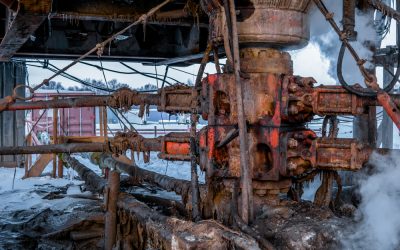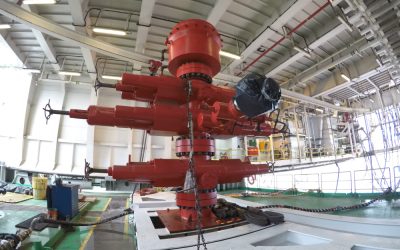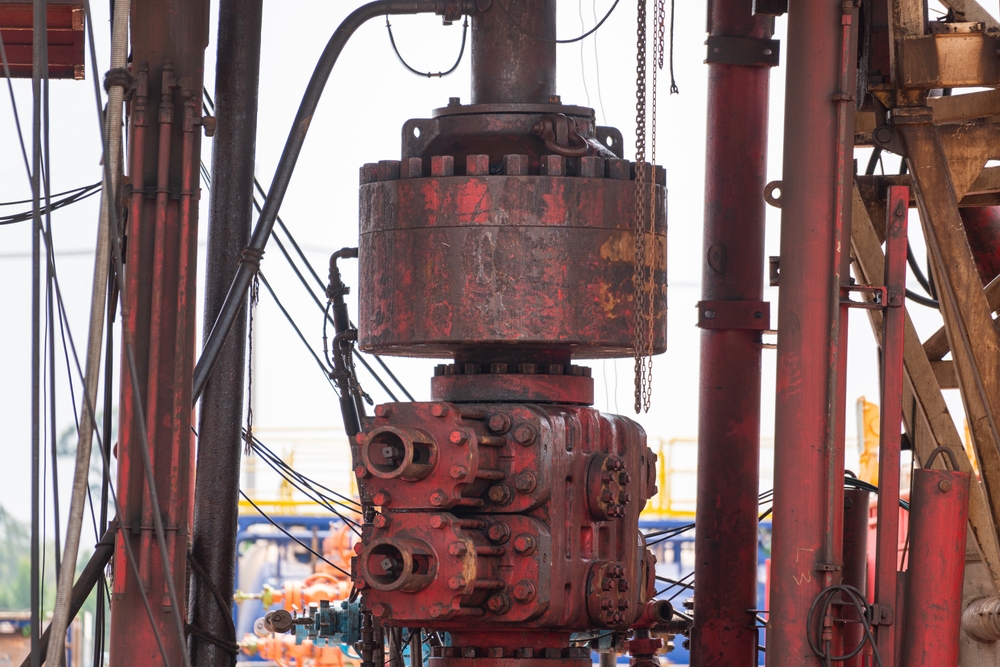
Blowout preventers (BOPs) are critical safety devices used in oil and gas drilling to prevent uncontrolled releases of oil, gas, and drilling fluids. Because they operate under extreme pressure conditions, BOPs must meet strict performance and reliability requirements. According to the International Association of Oil & Gas Producers (IOGP), preventing well control incidents and unplanned releases of oil and gas remains a major industry safety priority, highlighting the need for dependable pressure control equipment and recognized performance standards. API 16A addresses this need by establishing industry-recognized requirements for the design, manufacturing, testing, and performance of blowout preventers. Understanding these standards helps operators and drilling contractors support safe, compliant, and efficient well control operations.
Key Takeaways
- API 16A establishes requirements for the design, manufacturing, and testing of blowout preventers
- API 16A certification helps verify that equipment meets recognized industry standards
- The standard covers material quality, pressure ratings, performance testing, and inspection requirements
- Compliance with API 16A supports drilling safety, reliability, and well control performance
- Regular inspections, maintenance, and testing are essential for continued compliance and operational readiness
What Is API 16A?
API 16A is a specification published by the American Petroleum Institute (API) that defines requirements for blowout preventers and related equipment used in drilling operations. The standard helps ensure that BOPs are designed and manufactured to perform reliably under demanding operating conditions. The primary goal of API 16A is to establish consistent quality and performance standards across the industry. By providing clear requirements for equipment design, materials, manufacturing processes, and testing procedures, the standard promotes safer drilling operations and improved equipment reliability. API 16A applies to several types of blowout preventers commonly used in oil and gas operations, including ram preventers and annular preventers.
Why API 16A Standards Matter
Blowout preventers serve as the final line of defense against uncontrolled well pressure. Any failure within a BOP system can result in serious safety, environmental, and operational consequences. API 16A standards help reduce these risks by ensuring that equipment meets established performance requirements before entering service. Maintaining compliance throughout the equipment lifecycle also requires API-certified BOP repair and maintenance services that help preserve performance, reliability, and well control readiness.
Key benefits of API 16A compliance include:
- Improved drilling safety
- Enhanced equipment reliability
- Consistent manufacturing quality
- Reduced risk of equipment failure
- Greater confidence during well control operations
- Support for regulatory and customer requirements
- Improved operational efficiency
For operators and drilling contractors, selecting API-compliant equipment helps establish a stronger foundation for safe well control management. It also provides greater confidence that critical equipment has been manufactured and tested to recognized industry standards. This can help improve operational reliability while reducing the risk of equipment-related failures during drilling operations.
Key Requirements Covered by API 16A
API 16A addresses multiple aspects of blowout preventer design and performance. These requirements are intended to verify that equipment can operate effectively under expected drilling conditions. The standard establishes consistent criteria for manufacturers, helping promote quality and reliability across the industry. By defining specific performance and testing requirements, API 16A helps support safe well control operations throughout the equipment lifecycle.
The standard covers:
Design Requirements
Manufacturers must design BOP components to withstand specified pressure loads, mechanical stresses, and operational demands. Design calculations and engineering documentation must demonstrate compliance with performance criteria. These requirements help verify that equipment can perform reliably under challenging drilling conditions and high-pressure environments.
Material Requirements
Materials used in BOP manufacturing must meet specific strength, durability, and performance requirements. Material selection is critical because BOPs often operate in harsh environments involving high pressure, temperature fluctuations, and corrosive conditions. Using properly qualified materials helps improve equipment longevity, reliability, and resistance to operational wear.
Manufacturing Controls
API 16A requires manufacturers to implement quality control procedures throughout production. These controls help ensure consistent product quality and compliance with established specifications. Effective manufacturing controls also help identify potential issues early in the production process, reducing the risk of defects and performance problems.
Pressure Testing
Pressure testing verifies that BOP components can safely withstand their rated working pressures. Testing procedures are designed to identify potential weaknesses before equipment enters service. This process helps confirm equipment integrity and provides additional assurance that the BOP can perform reliably during well control operations.
Inspection and Documentation
Manufacturers must maintain detailed records related to material certifications, inspections, testing activities, and quality assurance procedures. Proper documentation supports traceability and compliance verification. These records also help operators, inspectors, and regulators confirm that equipment has been manufactured and tested according to applicable standards.
API 16A Blowout Preventer Equipment Overview
API 16A establishes the requirements for the design, manufacture, testing, and quality assurance of blowout preventer (BOP) equipment used in oil and gas operations. Compliance with these requirements helps ensure that BOP systems can perform reliably under demanding operating conditions while supporting safety, pressure control, and regulatory compliance objectives throughout the equipment lifecycle.
| Requirement Area | Purpose |
| Design Verification | Confirms structural integrity and performance capability |
| Material Qualification | Ensures suitable materials are used for service conditions |
| Manufacturing Controls | Maintains consistent production quality |
| Pressure Testing | Verifies pressure containment capability |
| Inspection Procedures | Confirms equipment meets specification requirements |
| Documentation & Traceability | Supports quality assurance and compliance records |
Each requirement area plays a critical role in maintaining the reliability and safety of blowout preventer equipment. Together, these standards help manufacturers, operators, and inspectors verify that BOP systems meet performance expectations, withstand operational pressures, and provide the level of protection required for safe well control operations.
Understanding API 16A Certification
API 16A certification demonstrates that a manufacturer has implemented processes capable of producing equipment that meets the requirements outlined in the specification. It provides customers with added confidence that quality control, manufacturing practices, and testing procedures align with recognized industry standards. Additionally, certification helps support consistency and reliability across critical well control equipment.
Certification generally involves:
- Quality management system reviews
- Manufacturing process evaluations
- Product specification compliance assessments
- Documentation reviews
- Ongoing audit requirements
For customers, API certification provides additional confidence that equipment has been manufactured according to recognized industry standards. It is important to understand that certification supports quality assurance, but proper operation, maintenance, and inspection remain essential throughout the equipment lifecycle.
Inspection and Testing Requirements
Inspection and testing are critical components of API 16A compliance. Even the most advanced BOP systems require regular verification to maintain performance and reliability. Routine inspections help identify wear, damage, or performance issues before they impact operations. Consistent testing also helps ensure equipment remains ready to perform when well control situations occur. These practices are especially important because blowout preventers often work alongside emergency shutoff systems used to enhance oil rig safety and well control response capabilities.
Typical inspection and testing activities include:
- Visual inspections
- Dimensional verification
- Material verification
- Pressure testing
- Functional testing
- Component wear assessments
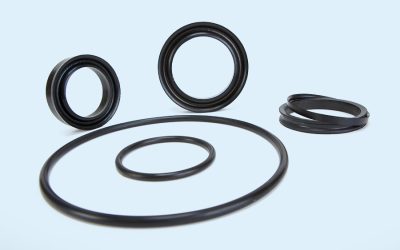
- Seal and elastomer evaluations
These procedures help identify potential issues before they affect drilling operations. Early detection can reduce the likelihood of unexpected equipment failures and operational disruptions. They also support equipment reliability by helping operators address maintenance needs before they develop into more serious problems.
API 16A and Well Control Safety
Well control depends on the ability of BOP equipment to function as intended when needed. API 16A supports this objective by establishing minimum requirements for equipment integrity and performance. When combined with proper maintenance, operator training, and routine testing programs, API-compliant BOP systems contribute to:
- Safer drilling operations
- Improved emergency response readiness
- Reduced operational risk
- Better regulatory compliance
- Enhanced equipment longevity
- Greater confidence during critical well control events
As drilling environments become more complex, adherence to recognized standards becomes increasingly important for maintaining safe and efficient operations. Following API 16A requirements helps establish consistent performance expectations and supports reliable well control across a wide range of drilling conditions.
Choosing API-Compliant BOP Equipment
When evaluating blowout preventers and related well control equipment, operators should consider several factors beyond initial purchase cost. Equipment quality, certification status, and long-term reliability can have a significant impact on safety and operational performance. Taking a comprehensive approach to equipment selection helps support compliance, reduce risk, and improve overall well control readiness.
Important considerations include:
- API 16A certification status
- Manufacturer experience
- Quality control processes
- Equipment performance history
- Inspection and testing capabilities
- Repair and maintenance support
- Documentation and traceability programs
Working with experienced providers helps ensure that equipment meets operational requirements while supporting long-term reliability and compliance goals. Experienced manufacturers and service providers can also offer valuable support for inspection, testing, maintenance, and repair programs throughout the equipment lifecycle.
Maintaining Reliable Blowout Preventers Through Compliance
API 16A standards provide an important framework for the design, manufacturing, testing, and inspection of blowout preventers used in oil and gas drilling operations. By establishing consistent requirements for quality, performance, and reliability, the standard helps support safe well control practices and reduce operational risks. Understanding API 16A requirements allows operators, contractors, and equipment providers to make informed decisions that contribute to safer and more efficient drilling operations.
Maintaining Reliable Drilling Rig Tools and Well Control Systems
Reliable drilling rig tools and equipment are essential for safe and efficient oil and gas operations. Regular inspections, pressure testing, and preventive maintenance help reduce equipment failure, improve operational performance, and maintain proper well control during drilling activities.
As a provider of pressure control equipment and services, BOP Products delivers precision-engineered solutions designed to support safe drilling operations. With expertise in manufacturing, repair, inspection, and testing, the company helps operators maintain dependable blowout preventer systems and critical well control equipment under demanding drilling conditions.
Looking to improve drilling safety and well control performance? Contact us for reliable equipment solutions and expert support that help maintain safe, efficient, and compliant drilling operations.