If you’re wondering, is it hard to find oil? The answer is yes, and for good reason. From geological surveys to seismic data, oil companies invest time and money trying to reduce the guesswork. The process may sound technical, but it all boils down to one goal: locating underground oil reservoirs and getting them to the surface. Keep reading to see how it’s done and why it’s more complex than most people realize.
How Oil Forms in the Ground
To understand how to find oil in the ground, it helps to know how it got there in the first place. Crude oil forms when ancient sea life, plants, plankton, and small animals get buried under mud and sand. Over millions of years, heat and high pressure transform their remains into oil and natural gas.
These hydrocarbons gather in underground pockets, known as oil reservoirs. They’re often trapped between layers of rock that keep them from escaping. When a reservoir is sealed off by non-porous rock, it’s called an oil trap. Finding these traps is the key to producing oil.
How to Find Oil in the Ground
So, how do oil companies locate oil? The answer lies in a mix of science, technology, and experience.
Geological Surveys
The first step is checking the surface. Geologists study the types of rock in the area and look for signs that oil could be nearby. These signs include rock age, shape, and the region’s history of oil and natural gas production.
Seismic Surveys
The next step is to use seismic survey tools to look underground. Trucks or air guns send out sound waves. These waves bounce off underground layers and come back to sensors. Experts then use this data to map what’s beneath the surface. This is one of the best ways to find oil underground.
Seismic Data Interpretation
Once the data is collected, geologists build 3D models of the underground formations. These maps help identify high-pressure areas, oil traps, and rock layers that could hold oil. Not every site will have oil, but this method helps narrow down the options.
How to Find Oil Underground: Signs Experts Look For
Here are some of the most common indicators that oil may be present:
- Dome-shaped or arched rock formations
- Fault lines that can trap oil
- Porous rocks like sandstone or limestone that can store oil
- Non-porous rocks like shale that act as a seal
These clues help experts decide where to drill. But even with all this, success isn’t guaranteed. That’s why companies often drill a small test well before moving forward.
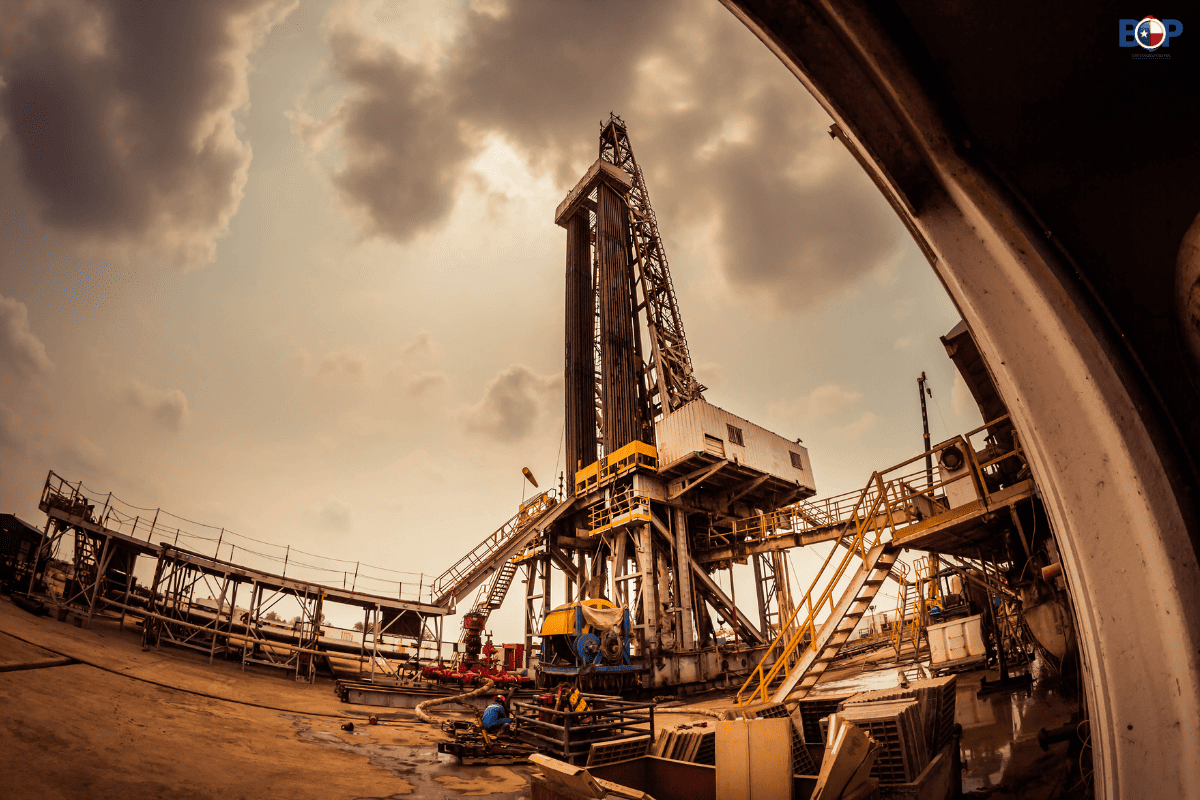
The Role of a Drilling Rig
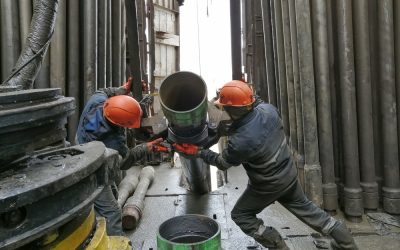
If seismic data looks good, it’s time to bring in a drilling rig. These rigs drill deep into the ground, sometimes several miles. If the drill hits oil, the site could become a producing oil well. If not, it’s a dry hole: a costly but common outcome in oil exploration.
Because drilling is so expensive, oil companies rely on seismic data to avoid unnecessary costs. A single well can cost millions, making accuracy more important than ever.
Oil Exploration in the United States
The United States remains a global leader in oil production. States like Texas, North Dakota, and regions along the Gulf of Mexico have been key oil producers for decades. Thanks to modern technology and historical data, many of these areas are well-understood.
Still, new discoveries are harder to come by. Many of the easiest reserves have already been tapped. Now, companies are drilling deeper and exploring more complex oil fields. These oil fields include offshore zones and shale plays.
Is It Getting Easier or Harder to Find Oil?
Despite better tools, finding oil continues to get harder. Here’s why:
- Most easy-to-reach oil traps have been found
- Remaining areas require deeper, more costly drilling
- New sites are often in tough locations or protected areas
That said, technology has improved exploration. Companies can now revisit older oil fields with better equipment to extract more from existing wells.
How Oil Companies Reduce Risk
To limit losses and increase efficiency, companies:
- Use high-resolution seismic surveys
- Run pilot drilling before full production
- Work with skilled geologists to interpret seismic data
- Deploy air guns and sensors to map deeper formations
These tools help improve the odds of success and reduce environmental impact.
Common Questions About Oil Exploration
Oil exploration can be a complex topic, but it sparks a lot of curiosity. People often wonder how oil is found, who’s allowed to drill, and what happens when things don’t go as planned. Here are some quick answers to the most common questions about the process.
How do scientists know where oil is underground?
They study the surface, use seismic surveys, and analyze rock layers to find potential oil reservoirs.
Can anyone drill for oil on their land?
Not always. You need to own the mineral rights, and local rules often require permits.
How deep do you have to drill to find oil?
It varies. Some wells are a few hundred feet deep, while others go several miles down.
What happens if a drilling rig hits nothing?
That’s called a dry hole. It’s a loss, but the data can help future drilling efforts.
Final Thoughts: Is It Hard to Find Oil?
Yes, it is hard to find oil. Even with today’s tools, locating and extracting crude oil takes skill, precision, and a lot of data. From underground rock layers to seismic surveys, oil exploration is both a science and a business risk.
Still, thanks to smart strategies and ongoing innovation, companies can tap into new oil reserves and keep up with global demand. Exploration isn’t easy, but it’s always evolving.
As oilfield equipment suppliers, we support every stage of exploration with dependable systems. We provide reliable parts for drilling rigs and pressure control systems for wells. Our equipment helps oil companies work safely and get the job done right. We’re proud to help power energy projects across the United States.
Looking for reliable tools for your oil exploration project? Contact us today and let’s talk about what you need from our team.