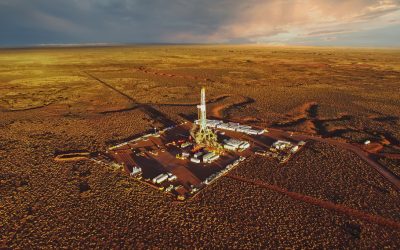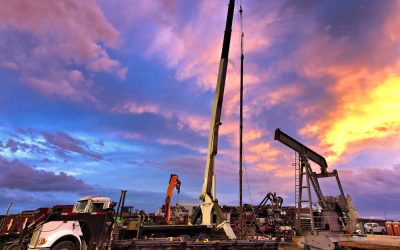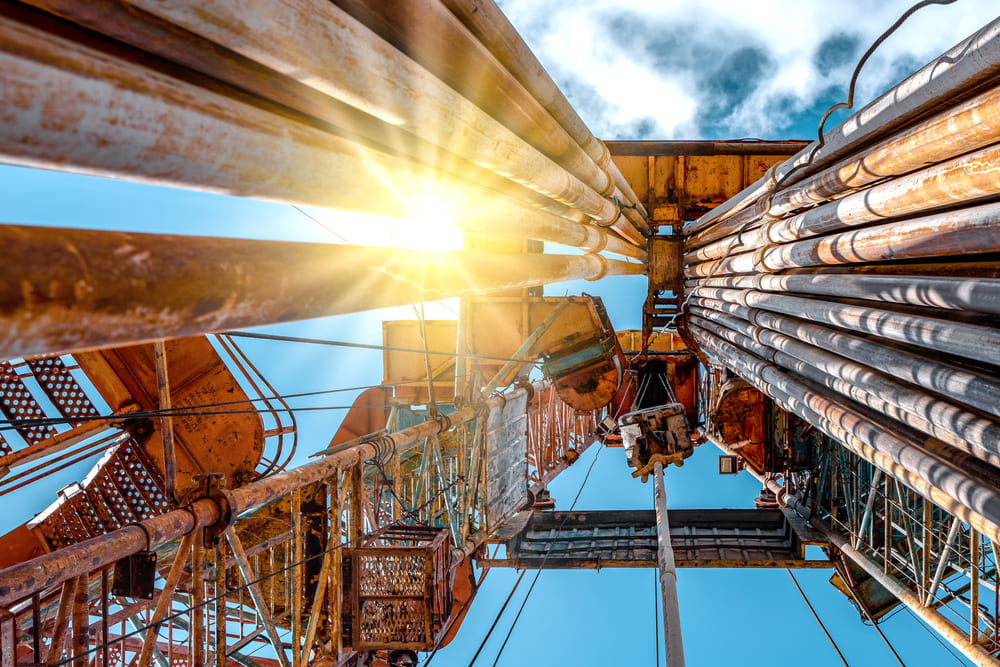
Fracking, or hydraulic fracturing, is a way to pull natural gas and oil from deep underground. High volume hydraulic fracturing uses water, sand, and chemicals at high pressure to break open shale rock and release the gas inside. This method plays a huge role in unconventional oil and gas production and helps meet today’s energy needs with modern technology.
Knowing the current state of fracking matters because it affects how safely and efficiently you can work. People living near fracking sites care about water quality, air safety, and the impact on their community. At the same time, oil and gas operators have to keep up with new rules, environmental concerns, and fast-changing technology. Understanding these trends helps you stay safe, compliant, and ready for what’s next.
Fracking’s Role in Shale Gas Extraction
Shale gas extraction keeps growing, especially in areas like the Marcellus Shale. You use natural gas drills to reach these dense rock layers and release the gas trapped inside. Fossil fuels like shale gas still power a huge part of our energy system, but high-pressure extraction comes with both benefits and responsibilities.
Your gas operations help keep homes, businesses, and power grids running. But they also release carbon dioxide and other greenhouse gases. When you understand how your work affects energy production and emissions, it’s easier to plan for safer, cleaner, and more efficient fracking in the future.
Environmental and Safety Considerations
Fracking brings real concerns about water safety and the environment. Water supplies and surface water can be impacted by fracking fluids, making proper maintenance, such as how to clean a blowout preventer, essential for safe operations. State departments of environmental protection help monitor these risks, and geological surveys give you data to watch for any issues. Staying on top of these factors helps protect local communities, keeps you compliant, and supports safe, steady operations.
Here are key considerations for you when managing fracking safety:
- Water management: Prevent fracking fluids from contaminating surface water or groundwater.
- Chemical tracking: Know which fracking fluids are used and their potential effects.
- Air quality monitoring: Watch greenhouse gas emissions and carbon dioxide levels.
- Site inspections: Regular checks by oil and gas operators help catch leaks or pressure issues early.
- Emergency plans: Prepare for spills, pressure failures, or unexpected environmental impacts.
Regulations, Fracking Bans, and Industry Trends
Some states have put fracking bans in place, while others still allow high volume hydraulic fracturing but with strict rules. These regulations change how you plan gas extraction and manage each drilling site. Staying updated on state laws, environmental policies, and safety requirements is key if you want to avoid fines, shutdowns, and push-back from nearby communities.
High-pressure operations now use better monitoring tools and updated technology. New extraction methods help lower environmental risks while keeping production strong. Many oil and gas operators are also improving reporting standards and safety practices to meet tighter oversight.
The EIA and the EPA say fracking is always changing as new tools, better data, and stronger safety measures are used.
- Advanced drilling techniques improve efficiency and reduce environmental footprint.
- Real-time monitoring ensures safe pressure management during extraction.
- Sustainable practices like wastewater recycling and reduced chemical use are increasingly standard.
By staying informed about these trends, you can run operations safely while keeping up with energy demands.
Community and Health Impacts
Living near fracking sites has raised concerns for communities. People worry about air and water quality, noise, and safety. Understanding these concerns helps you plan operations and maintain a positive relationship with local residents.
Key strategies for reducing impact include:
- Air monitoring: Track emissions from gas operations and minimize greenhouse gases.
- Water protection: Ensure fracking fluids don’t enter local water supplies or surface water.
- Noise and traffic control: Reduce disturbances in nearby communities.
- Transparent reporting: Keep local authorities and residents informed of site activity and safety measures.
- Emergency response readiness: Plan for spills, leaks, or accidents with fast, clear action steps.
These measures help keep your operations safe and your community safe too.
Future Outlook for Fracking
The future of fracking depends on new technology, rules, and energy needs. Unconventional oil and gas drilling will keep going, but stricter oversight and attention to the environment are expected. New tools and methods will make high-pressure operations safer and more efficient.
Trends show some companies are using shale gas while also managing greenhouse gases and reducing carbon dioxide. New practices help use less water, control fracking fluids, and protect surface water. Better monitoring, reporting, and chemical management make it easier for oil and gas operators to follow the rules.
In the next decade, fracking could become safer, smarter, and cleaner while still providing the energy people need.
The Current State of Fracking Today
Fracking today is all about balancing opportunity, responsibility, and new technology. High-pressure hydraulic fracturing is used to pull shale gas from formations like the Marcellus Shale, while following environmental rules and keeping communities safe. Protecting water, air quality, and controlling emissions is more important than ever.
As fracking equipment suppliers in Houston, we provide the right tools to run operations smoothly. The best equipment helps you extract natural gas safely, protect surface water, manage fracking fluids, and reduce greenhouse gas emissions.
Want to make your fracking operations safer and more efficient? Contact us to get the equipment and solutions that keep your sites compliant, strong, and responsible.