Drilling operations take place in high-pressure environments that can be unpredictable and dangerous. Thousands of feet below the surface, oil, gas, and formation fluids are often trapped under extreme pressure. If that pressure is not properly controlled, fluids can rush up the wellbore without warning. This puts crews, equipment, and the environment at serious risk.
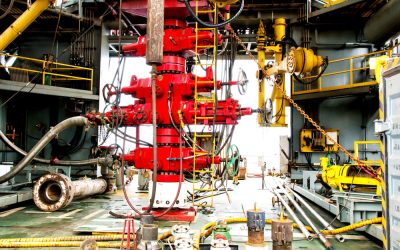
To manage these conditions, oil and gas operators rely on advanced well control equipment. One of the most critical components in this system is the annular blowout preventer (annular BOP). It serves as a primary pressure-control barrier. It prevents uncontrolled flow during drilling, tripping, and emergencies.
Blowout preventers are essential to drilling safety on both land and offshore rigs. They act as a mechanical barrier between subsurface pressure and surface operations. This allows crews to isolate the well before a minor pressure issue becomes a serious incident. When properly selected, maintained, and operated, BOP systems significantly reduce risk and support regulatory compliance.
Within a modern BOP stack, the annular BOP stands out for its flexibility. It can seal around different pipe sizes, rotating drill strings, and even open holes. This makes it one of the most adaptable well control tools available. Understanding how it works shows why regular inspection, testing, and maintenance matter.
Key Takeaways
- Annular BOPs provide fast, flexible wellbore sealing during pressure events
- Their elastomer sealing element adapts to multiple pipe sizes and shapes
- They support routine operations such as drilling, tripping, and circulation
- Annular BOPs work alongside ram preventers in layered safety systems
- Regular inspection and testing are essential for long-term reliability
What a Blowout Preventer Does
At its core, a blowout preventer is built to stop the uncontrolled release of formation fluids from a well. During normal drilling, hydrostatic pressure from drilling mud counterbalances formation pressure. This balance keeps fluids contained and maintains good stability.
Equipment failure, formation changes, or incorrect mud weight can disrupt this balance. When that happens, fluids may begin moving upward. This influx is known as a kick. It is an early warning sign of a potential blowout. If a kick is not controlled quickly, pressure can rise rapidly. Modern drilling operations rely on continuous monitoring and fast response.
Once activated, a blowout preventer seals the wellbore. This allows crews to regain control and take corrective actions such as:
- Adjusting drilling mud density
- Initiating controlled circulation
- Stabilizing bottom-hole pressure
These measures help operations resume safely while reducing environmental and financial risk. BOP systems function as both emergency protection and operational support tools. In real drilling, conditions can change quickly, and operators must respond fast.
Types of Blowout Preventers
Modern drilling operations typically use two main types of blowout preventers. Each serves a distinct role in maintaining pressure control. Together, they form a layered safety system that responds to both routine operations and high-pressure emergencies. This combination improves reliability and reduces the risk of uncontrolled well flow.
Ram Blowout Preventers
Ram blowout preventers use steel rams that move horizontally across the wellbore. Each ram is designed for a specific purpose and operating condition. Common types include:
- Pipe rams for sealing around specific pipe sizes
- Variable bore rams for limited diameter ranges
- Shear rams for cutting pipe and sealing the well in emergencies
Due to their rigid design and high sealing force, ram preventers are critical in high-pressure and high-temperature environments where maximum isolation is required.
Annular Blowout Preventers
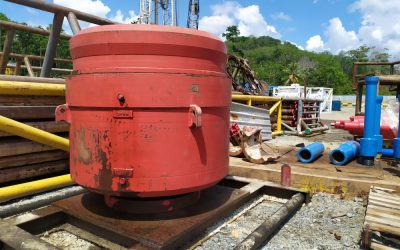
Annular blowout preventers use a flexible elastomer sealing element that compresses inward. This design allows them to seal around different pipe sizes, tool joints, and irregular shapes. Their flexibility makes them ideal for routine operations such as drilling, circulation, and pipe movement. Unlike ram preventers, annular BOPs can keep pressure under control without frequent configuration changes.
How Annular and Ram BOPs Work Together
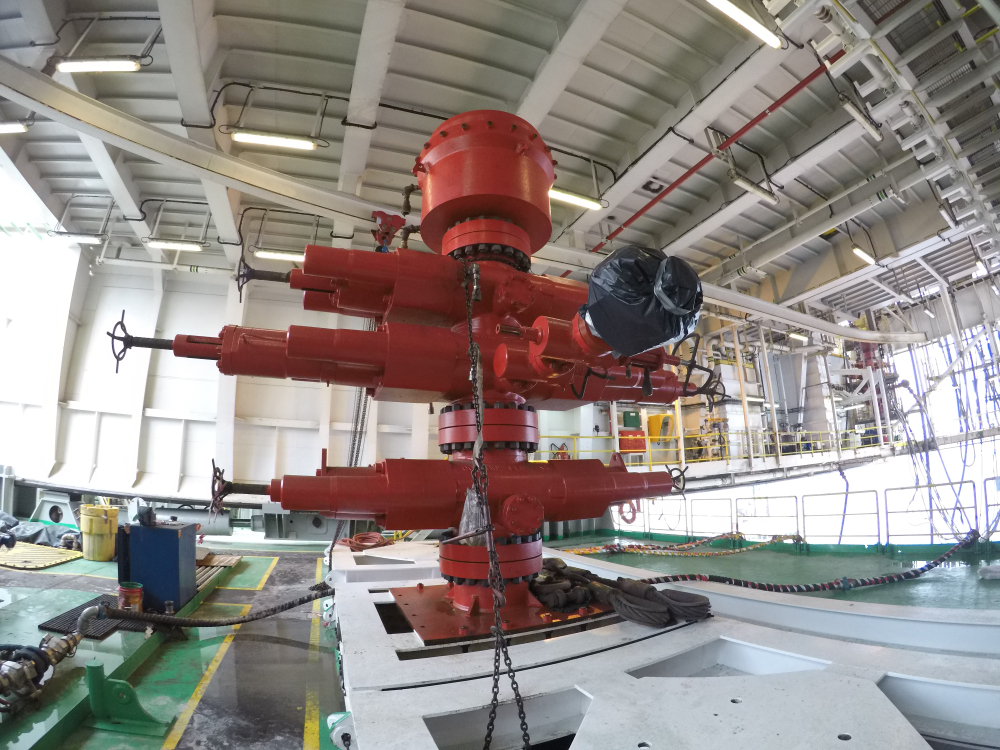
In most drilling systems, annular and ram blowout preventers work together as part of the same safety system. Each handles different well control situations, from routine pressure management to high-risk emergencies.
The annular BOP is usually activated first. Its flexible sealing element quickly seals around the drill pipe, casing, or open hole. This provides fast pressure containment while operations are assessed.
If pressure conditions increase or stronger isolation is required, ram preventers are engaged. They provide a rigid, high-force seal that can fully isolate the wellbore. This layered approach improves reliability. It also gives crews multiple response options during critical situations.
What an Annular Blowout Preventer Is
An annular blowout preventer is a pressure-control device that uses a circular elastomer seal to isolate the wellbore. When activated, the ring-shaped element contracts inward to form a tight seal.
Annular BOPs are used on both land and offshore rigs. They can seal around drill pipe, casing, tubing, or even an open hole, making them highly versatile throughout different drilling stages. Positioned near the top of the BOP stack, they allow for fast response and effective coordination with other control systems.
How an Annular Blowout Preventer Works
Annular blowout preventers operate using hydraulic pressure and material elasticity. At the center of the system is the elastomer sealing element, designed to deform repeatedly without losing strength.
When activated, hydraulic fluid enters the operating chambers. Pistons compress the elastomer inward, creating uniform pressure around the wellbore.
- If a pipe is present, the seal conforms to its shape.
- If the hole is open, the element closes completely.
In both cases, fluid movement is stopped, and pressure is isolated. This even force distribution reduces localized stress and extends the service life of the equipment.
Key Components of an Annular BOP
An annular blowout preventer operates as a fully integrated pressure-control system. Its performance depends on multiple components working together. These components create a reliable seal and respond quickly to changing well conditions.
Key components include:
- Elastomer sealing element for repeated compression and reliable sealing
- Hydraulic pistons and chambers for controlled, uniform activation
- Bowl and housing for structural support and proper alignment
- Control lines and monitoring systems for real-time operation and response
These components are designed to operate under extreme pressure, temperature, and chemical exposure. Each part must meet strict manufacturing, testing, and inspection standards. Failure of a single component can compromise overall performance.
Field Applications of Annular BOPs
Annular blowout preventers are used throughout drilling operations, not just during emergencies. Their flexibility allows crews to maintain pressure control during routine activities as well as unexpected events.
During drilling, they seal around the rotating pipe and stay ready to respond. While tripping, they maintain control as the pipe is removed or inserted. In emergencies, they are usually the first device engaged to stabilize pressure.
This makes the annular BOP a reliable first line of defense in any scenario.
Advantages of Annular Blowout Preventers
Annular blowout preventers are widely used because they combine operational flexibility with dependable sealing performance. Their design lets them respond quickly to changing well conditions. This happens without interrupting routine drilling activities.
Key advantages include:
- Wide sealing range without hardware changes
- Reduced pipe wear due to uniform pressure
- Fast hydraulic activation
These advantages improve efficiency and well control reliability. As a result, annular BOPs are especially valuable in dynamic drilling environments where conditions can change rapidly.
Limitations and Operational Considerations
Despite their strengths, annular blowout preventers have limitations. Their performance depends on proper selection, operating conditions, and ongoing maintenance.
Annular BOPs typically have lower pressure ratings than some ram preventers. Engineers must carefully pair them within the BOP stack for high-pressure wells. Elastomer sealing elements degrade over time due to heat, chemical exposure, and repeated compression. Regular inspection, pressure testing, and timely replacement are essential to maintain reliable performance.
Role in Overall Well Control Systems
Annular BOPs are part of a broader well control system, not standalone devices. They provide fast, adaptable sealing while crews prepare or activate other control measures.
Ram preventers, choke and kill lines, and surface control panels work together to manage pressure events. During an incident, the annular BOP stabilizes conditions early, giving crews time to apply additional controls. This multi-layered approach is crucial for modern drilling safety.
Safety Standards and Regulations
Annular blowout preventers are governed by industry standards, including API specifications. These standards define requirements for design, manufacturing, testing, certification, and ongoing inspection.
Compliance ensures equipment performs as intended under demanding conditions. It also promotes safety, accountability, and continuous improvement across drilling operations worldwide.
Choosing the Right Annular BOP
Selecting the right annular blowout preventer requires more than matching size specifications. Engineers must evaluate operational demands, well conditions, and long-term performance requirements.
Key factors include:
- Pressure ratings
- Environmental conditions
- Control system compatibility
- Ease of maintenance and access
A properly selected annular BOP, integrated into a well-designed BOP stack, balances safety, efficiency, and long-term reliability throughout drilling operations.
Understanding Annular Blowout Preventers
Reliable well control equipment is essential for safe and compliant drilling. Annular blowout preventers seal the wellbore and manage pressure throughout operations. When properly selected and maintained, they protect personnel, equipment, and the environment while supporting efficient drilling performance.
As a supplier of blowout preventer equipment, BOP Products provides annular BOPs and well control solutions designed for durability and reliability. Their BOP systems are engineered to meet rigorous industry standards and withstand extreme drilling conditions. With expert support and proven equipment, operators can maintain safe, efficient, and compliant operations on every project.
Looking for dependable annular blowout preventers for your next project? Contact us to access proven equipment and expert support built for demanding field conditions.