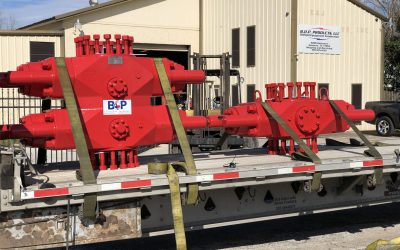
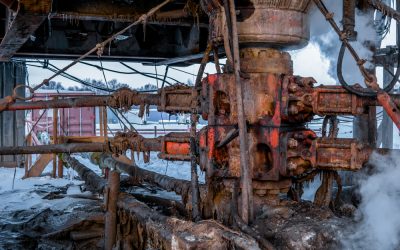
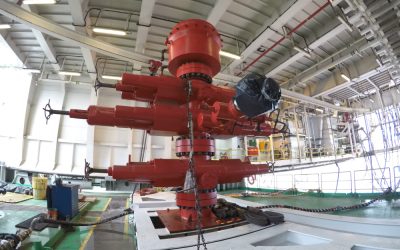
Maintaining well control is one of the most critical priorities in oil and gas drilling. When formation fluids enter the wellbore without warning, pressure can rise rapidly. If not contained, this pressure can lead to a blowout. A blowout preventer system is designed to control pressure, seal the well, and protect workers, equipment, and the drilling site.
In modern oilfield operations, blowout preventer systems are essential safety equipment. They support compliance, operational continuity, and asset protection. Understanding how a blowout preventer stack works and what it includes is important for safe well control. It also helps operators reduce risk in both onshore and offshore drilling operations.
Key Takeaways
- A blowout preventer system is essential for safe oil and gas drilling
- The blowout preventer stack includes annular BOP and ram preventers
- Monitoring pressure helps prevent blowouts
- Proper drilling fluid control supports well stability
- Regular inspection keeps oilfield equipment operating safely
What Is a Blowout Preventer System?
A blowout preventer system is a high-pressure safety assembly installed at the wellhead. It controls wellbore pressure during drilling operations and prevents uncontrolled flow of oil and gas to the surface.
In oilfield drilling, the blowout preventer system acts as the final mechanical barrier between high-pressure formations and surface equipment. Primary well control methods sometimes fail. This can happen when drilling fluid pressure is not enough to contain formation pressure.
When that occurs, the blowout preventer stack is activated. It shuts in the well. This stops further influx of fluids and allows operators to regain control.
The blowout preventer stack consists of several preventers arranged vertically. These units seal around drill pipe, casing, tubing, or an open hole. By containing pressure inside the wellbore, the system allows drilling operations to continue safely after control is restored.
Why Blowout Preventers Are Critical in Oil and Gas Operations
Oil and gas reservoirs often contain fluids under extreme pressure. During drilling operations, formation pressure must remain balanced with drilling fluid pressure. If the balance shifts, formation fluids can enter the wellbore. This event is called a kick.
If a kick is not handled quickly, it can escalate into a blowout. A blowout is the uncontrolled release of oil and gas from the well. Such incidents can result in injuries, equipment damage, financial loss, and major disruption across the oilfield.
A blowout preventer system provides a fast response when well control is threatened. Once activated, the blowout preventer stack seals around the drill pipe or closes the wellbore completely. This contains pressure and prevents additional formation fluids from entering the well.
Operators can then circulate drilling fluid and increase its weight. This restores balance and stabilizes formation pressure.
In offshore oil and gas drilling, the importance of a blowout preventer stack increases significantly. Deepwater oilfield projects operate under high pressure and complex technical conditions. In these environments, well-controlled equipment must perform precisely under demanding circumstances.
Main Components of a Blowout Preventer Stack
A blowout preventer stack contains multiple components that work together to manage pressure and seal the well effectively. Each component must function properly to maintain well control and ensure the safety of personnel and equipment.
Annular Blowout Preventer
The annular blowout preventer uses a flexible sealing element made of reinforced rubber. It can close around drill pipe, casing, tubing, or even seal an open hole.
Because of its flexibility, the annular BOP is often the first device used during well control events. It adapts to different pipe sizes and shapes. This makes it highly useful in changing drilling conditions. In many oilfield operations, the annular blowout preventer serves as the primary barrier against rising pressure.
Ram Preventers
Ram preventers use steel blocks that move horizontally to seal the well. These preventers are installed below the annular BOP in the blowout preventer stack.
There are several types:
- Pipe rams seal around a specific drill pipe size.
- Blind rams close the well when no pipe is present.
- Shear rams cut the drill pipe and seal the well during emergencies.
Ram preventers provide strong sealing under high pressure. They serve as a critical secondary barrier in oil and gas drilling.
Control System
The control system operates the blowout preventer system using hydraulic power. It includes accumulators, valves, and activation panels.
In offshore oilfield operations, the system may be controlled from the rig floor or through subsea control units. Immediate response is essential. Quick activation can prevent a manageable kick from turning into a blowout.
Choke and Kill System
The choke and kill system connects directly to the blowout preventer stack. These lines allow controlled circulation of drilling fluid while the well remains shut in.
By regulating fluid flow through the choke manifold, operators control pressure and remove formation fluids safely. This process helps restore well balance and maintain safe drilling operations.
How Blowout Preventers Control Pressure During Drilling
Managing pressure in oil and gas wells requires continuous monitoring. Drilling fluid circulates through the wellbore to remove cuttings and maintain pressure.
When formation pressure exceeds drilling fluid pressure, a kick can occur. The blowout preventer system allows operators to respond quickly.
First, the annular blowout preventer or ram preventers close around the drill pipe. This seals the well and prevents further influx. Surface pressure readings are recorded and analyzed.
Next, operators calculate the correct drilling fluid weight needed to balance formation pressure. Heavier drilling fluid is pumped into the well while the blowout preventer stack remains closed.
Circulation through choke and kill lines keeps pressure under control during the process. Once formation pressure and drilling fluid pressure are balanced, the well can be safely reopened, and drilling operations can resume. This structured approach prevents uncontrolled release and protects oilfield personnel.
Surface and Subsea Blowout Preventer Configurations
Blowout preventer systems vary based on drilling location and depth. Surface blowout preventer stacks are installed at the wellhead on land rigs. These systems are easier to access for inspection, testing, and repair. They are commonly used in onshore oil and gas drilling projects.
Subsea blowout preventer stacks are installed on the seabed in offshore operations. The stack connects to the drilling rig through a marine riser. Because subsea wells operate under higher pressure and remote conditions, these systems require enhanced strength and redundancy.
Subsea oilfield systems include multiple ram preventers and advanced control systems to ensure consistent performance. In deepwater oil and gas drilling, dependable subsea blowout preventer performance is critical for safe operations.
Maintenance and Testing of Blowout Preventer Systems
Routine inspection and testing keep the blowout preventer system functioning properly. Oil and gas standards require scheduled pressure testing to verify system integrity.
Testing procedures include closing ram preventers and annular BOP units under pressure to confirm sealing capability. Hydraulic systems are inspected for leaks or pressure loss. Control systems are tested to ensure rapid response.
Seal components, rams, and pipe interfaces are examined for wear. Accumulators are checked to confirm they store sufficient hydraulic energy for emergency activation.
Preventive maintenance reduces the chance of failure during active drilling operations. A properly maintained blowout preventer stack provides confidence that pressure can be controlled when necessary.
Common Causes of Blowouts in Oil and Gas Wells
Blowouts usually occur due to multiple contributing factors. Identifying these risks strengthens well control procedures. Understanding the specific causes helps drilling teams implement targeted safety measures. Early detection and proper planning can prevent small issues from escalating into serious incidents.
Common causes include:
- Incorrect drilling fluid weight
- Poor monitoring of pressure changes
- Equipment malfunction
- Improper pipe movement, such as sudden pipe withdrawal that lowers bottom-hole pressure
- Failure of ram preventers or annular blowout preventers due to inadequate maintenance
In high-pressure oilfield wells, even small errors can escalate quickly. Proper training, equipment inspection, and real-time monitoring significantly reduce blowout risk in oil and gas drilling.
Reliable Blowout Preventer Systems for Modern Drilling Operations
Reliable well control equipment supports safety, efficiency, and compliance throughout drilling operations. From pressure monitoring systems to BOP stacks, the right equipment protects personnel and reduces the risk of uncontrolled releases.
As a supplier of blowout preventer systems, we provide dependable well control solutions designed to meet industry safety and performance standards. Our equipment supports drilling operations across demanding environments, including deepwater projects.
Looking for dependable blowout preventer systems? Contact us to access proven well control solutions, technical expertise, and equipment engineered for high-pressure drilling conditions.