In oil and gas operations, high-pressure well control is a core safety function. It protects crews, equipment, and the environment while keeping drilling on schedule. When pressure is not managed well, the results can include kicks, blowouts, and costly downtime. According to the International Association of Oil & Gas Producers, human factors contribute to 71% of well control incidents, which highlights the need for proper training and clear procedures. Even a short delay or incorrect action can allow pressure to escalate quickly and increase risk.
Strong well control depends on three things: reliable equipment, clear procedures, and trained people. With the right systems in place, teams can detect pressure changes early and respond before a situation escalates.
Key Takeaways
- High-pressure well control is critical for safety, environmental protection, and uninterrupted drilling operations
- Human factors play a major role in incidents, making training and clear procedures essential
- Early detection through real-time monitoring helps prevent kicks and blowouts
- High-pressure conditions arise from geological, operational, and mechanical factors
- Blowout preventers (BOPs) and proper response methods are key to maintaining well control
Identifying High-Pressure Well Conditions
Early detection is the first step in controlling a high-pressure well. Drilling crews track standpipe pressure, pit volume, and flow rate at all times. Any sudden change can signal a problem. For example, an increase in flow rate without a matching pump change may indicate a kick.
Mud logging also plays a key role. Changes in gas levels, cutting shape, or drilling rate can point to rising formation pressure. These signs should be reviewed as a group rather than in isolation.
Geological planning adds another layer of protection. Seismic surveys and offset well data help teams map pressure zones before drilling starts. This allows engineers to set the right mud weight and casing program. When planning and real-time monitoring work together, the risk of unexpected pressure events drops.
Causes of High-Pressure Scenarios in Oilfields
High-pressure conditions come from both natural and operational factors. Breaking them down clearly helps teams identify risks early and apply the right control measures during drilling. Each source of pressure behaves differently and requires a specific response strategy. Ignoring small pressure changes can lead to larger well control issues over time. Early planning and real-time monitoring help reduce uncertainty and improve control.
| Source | Cause Type | Impact on Well Control | Key Control Measure |
| Reservoir pressure | Natural | High formation pressure can enter the wellbore if not balanced | Maintain correct mud weight and pressure balance |
| Formation depth and structure | Natural | Deeper or confined formations often hold higher pressure | Use seismic data and offset well analysis |
| Poor mud management | Operational | Incorrect mud weight can lead to underbalance or overbalance | Monitor and adjust mud properties continuously |
| Drilling practices | Operational | Rapid drilling or improper tripping can disturb the pressure balance | Follow controlled drilling and tripping procedures |
| Nearby injection activity | Operational | Increases formation pressure over time | Track field activity and adjust plans accordingly |
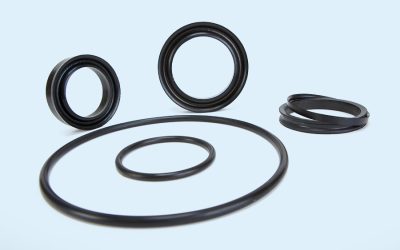
| Equipment failure | Mechanical | Faulty valves or seals can cause pressure buildup or loss of control | Perform routine inspection and maintenance |
These factors can occur on their own or combine to create more complex pressure conditions. Managing them requires accurate data, proper equipment maintenance, and strict adherence to well control procedures.
Risks Associated with High-Pressure Wells
High-pressure wells present serious safety, environmental, and operational risks if not properly controlled. These risks can escalate quickly, especially when early warning signs are missed or response actions are delayed.
- Blowouts: Occur when formation pressure overcomes well control barriers and forces fluids to the surface, often linked to common causes of blowouts during well drilling
- Personnel injury: High-pressure releases can cause serious harm or fatalities
- Equipment damage: Rigs, BOP systems, and surface equipment can fail under uncontrolled pressure
- Loss of well control: Leads to extended shutdowns and complex recovery operations
- Environmental damage: Spills and releases can contaminate soil and water
- Regulatory penalties: Non-compliance and incidents can result in fines and legal action
- Operational downtime: Drilling stops until the situation is controlled
- Repair and recovery costs: Includes equipment replacement and well intervention
- Reputation impact: Incidents can affect the company’s credibility and future contracts
These risks highlight the need for reliable well control systems, routine maintenance, and trained personnel. Consistent monitoring and fast response are key to reducing the impact of high-pressure incidents.
Blowout Preventers (BOPs) and Their Role
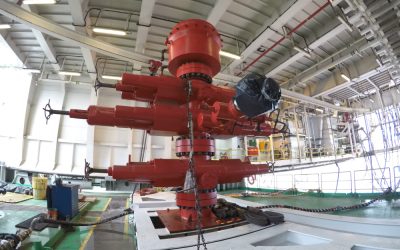
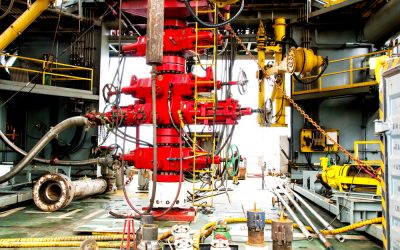
Blowout preventers are the main defense against high-pressure incidents. A well-designed BOP system can seal the well quickly and stop uncontrolled flow. These systems are installed at the wellhead and are critical for maintaining control during drilling operations.
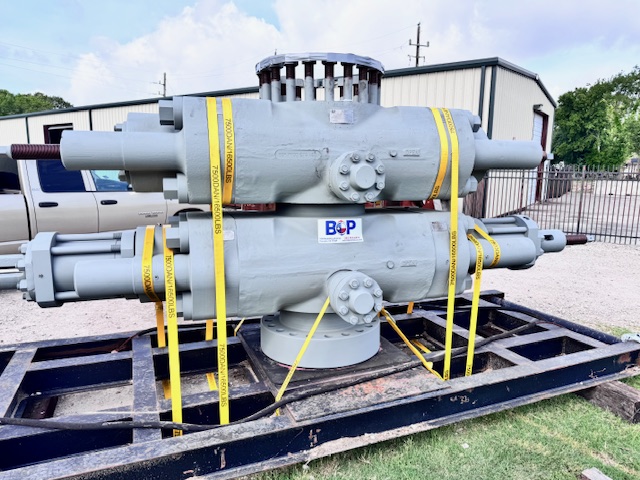
BOP stacks include components such as annular preventers and ram preventers. Each serves a specific purpose. Annular preventers can seal around different pipe sizes, while ram preventers provide a firm, fixed seal. Together, they create multiple barriers against pressure release.
Reliability and performance are critical in high-pressure environments. BOP systems must be built to handle extreme conditions and operate without failure when activated. Proper installation and correct configuration also play a key role in overall system effectiveness. Maintaining system integrity through proper servicing, including API-certified BOP repair, supports consistent performance and compliance with industry standards.
Regular testing is essential. Pressure tests, function checks, and routine inspections confirm that the system is ready for use. Skipping these steps increases risk and reduces system reliability.
Recognizing and Responding to a Kick
A kick is often the first sign of loss of well control. It occurs when formation fluids enter the wellbore. If not controlled quickly, a kick can escalate into a blowout and lead to serious safety and operational risks.
Common warning signs include:
- Increase in pit volume
- Flow without pumps running
- Sudden drop in pump pressure
- Change in drilling rate
When a kick is detected, the response must be immediate. The well should be shut in using the BOP system. After that, crews follow established well control methods such as the driller’s method or the wait-and-weight method to remove the influx safely.
Clear communication is critical during this stage. Every crew member must understand their role and follow procedures without delay.
Training and Preparedness
Even the best equipment cannot replace skilled personnel. Regular training ensures that crews can respond quickly and correctly under pressure. It also helps reduce human error during critical well control situations.
Well control drills, simulations, and certification programs prepare crews for real scenarios. Teams practice kick detection, shut-in procedures, and pressure control methods using standard protocols. This improves response time and coordination across the crew.
Training should be ongoing, not one-time. Refresher courses and updated procedures keep teams aligned with current safety standards and equipment changes. Crews should also be trained on the specific BOP systems and control equipment used on site. Companies that invest in both people and equipment create safer and more reliable operations.
Maintaining Reliable High-Pressure Well Control Systems
Reliable high-pressure well control systems are essential for safe and efficient drilling operations. Regular inspections, pressure testing, and proper maintenance reduce the risk of failure and ensure consistent performance under critical conditions.
As a provider of pressure control equipment and services, BOP Products delivers precision-engineered components designed to support safe and effective high-pressure well control. With expertise in manufacturing, repair, and testing, we ensure reliable performance through strict quality standards and equipment built to operate under demanding well conditions.
Looking to improve your high-pressure well control systems and reduce operational risk? Contact us to access expert support and reliable equipment solutions. Our team helps maintain safe, efficient, and compliant drilling operations.