Oil and gas drilling relies on advanced equipment and strict safety systems to control underground pressure and prevent dangerous blowouts. A blowout occurs when oil, gas, or drilling fluids escape uncontrollably from a well, creating serious safety and environmental risks. According to a survey featured by Oil & Gas Journal, 44% of drilling professionals reported experiencing well-control events one to two times per year, highlighting the ongoing importance of reliable well-control equipment.
To reduce these risks, drilling companies use specialized drilling rig tools and equipment, including blowout preventers (BOPs), which help seal the well and maintain pressure control during drilling operations. This guide explains the essential drilling equipment used in modern oil and gas operations and where BOPs fit into the system.
Key Takeaways
- Well control helps maintain safe drilling operations
- Blowout preventers are critical parts of drilling safety systems
- Equipment like mud pumps, choke manifolds, and drill pipes helps manage pressure
- Regular inspection and maintenance reduce blowout risks
- Crew training improves emergency response and operational safety
Understanding Well Control in Drilling Operations
Well control is the process of managing pressure inside the wellbore during drilling. The goal is to keep formation pressure balanced and prevent uncontrolled flow from the well. As drilling operations reach greater depths, pressure management becomes even more critical. Some modern oil wells can extend several miles, increasing the need for reliable well control systems. Without proper well control, drilling operations can become dangerous very quickly. High-pressure oil or gas can rise to the surface unexpectedly, leading to equipment damage, environmental hazards, injuries, or even explosions. This is where blowout preventers become essential.
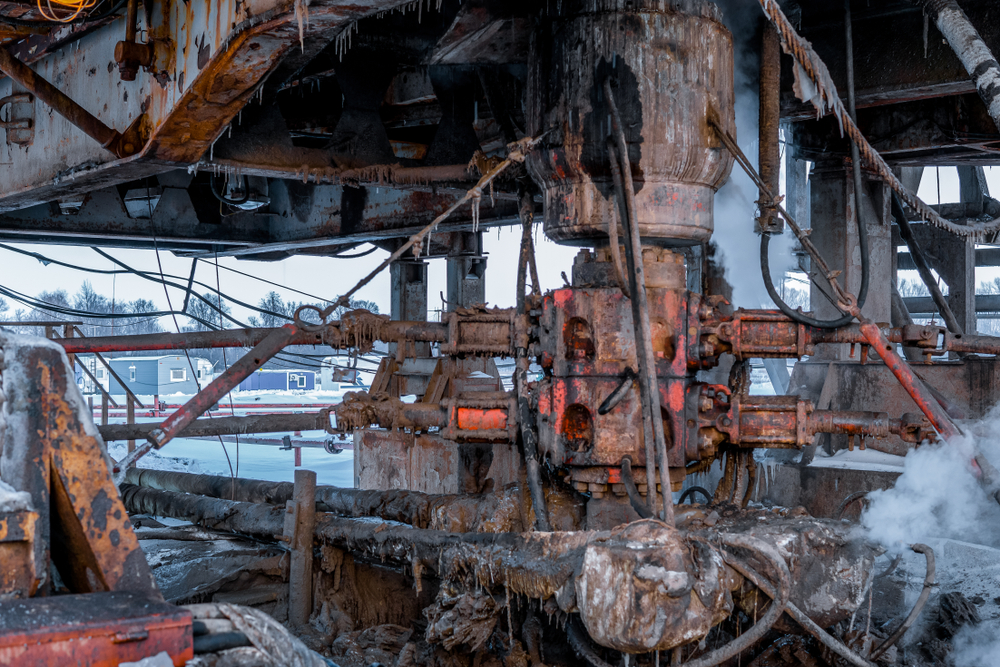
A blowout preventer is a large safety device installed on the wellhead. It is designed to seal the well, control pressure, and stop uncontrolled flow during drilling operations. BOP systems act as the final barrier between underground pressure and the drilling crew.
Modern drilling operations also use real-time monitoring systems to track pressure changes inside the well. These systems help crews identify warning signs early and respond before conditions become unsafe. Industry organizations such as the American Petroleum Institute provide standards and safety guidelines for well control equipment and drilling operations.
Essential Drilling Rig Tools and Equipment
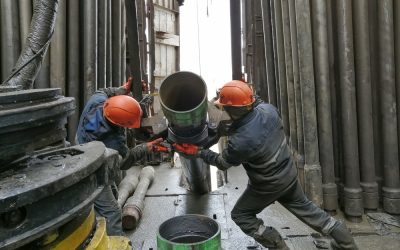
Safe drilling operations rely on several types of drilling rig machinery working together. Each piece of equipment plays a role in maintaining pressure control and supporting efficient drilling. From drill strings and mud pumps to monitoring systems and blowout preventers, every component helps crews maintain stability and respond quickly to changing well conditions.
Blowout Preventers (BOPs)
Blowout preventers are among the most important well-control tools used in oil and gas drilling. These systems are installed on top of the wellhead and can quickly seal the well if pressure becomes unstable. BOP systems may use hydraulic controls, rams, or annular preventers to stop the flow of oil and gas. Offshore and land drilling rigs both depend on reliable BOP systems to improve operational safety.
Choke Manifolds
Choke manifolds help regulate pressure inside the well during drilling. These systems control the flow of drilling fluids and help crews maintain safe pressure levels. They are especially important during kick control operations when pressure must be carefully managed.
Mud Pumps
Mud pumps circulate drilling fluid throughout the well system. Drilling fluid, also called drilling mud, helps cool the drill bit, remove cuttings, and maintain pressure balance inside the wellbore. Consistent mud circulation is critical for preventing pressure buildup and maintaining well stability.
Drill Pipes
Drill pipes connect surface equipment to the drill bit deep underground. These pipes transport drilling fluid while also transferring rotational force during drilling operations. Drill pipes must handle extreme pressure, heat, and vibration throughout the drilling process.
Top Drives and Kelly Systems
Top drives and Kelly systems rotate the drill string during drilling. These systems help crews drill deeper and maintain better control over drilling operations. Modern top drives improve drilling efficiency and reduce downtime on many rigs.
Why Equipment Maintenance Matters
Even the best drilling equipment can fail without regular maintenance. Routine inspections help identify worn parts, leaks, corrosion, or pressure issues before they become serious problems. Regular maintenance of essential oilfield tools and equipment helps reduce downtime and improve operational safety. Blowout preventers require scheduled testing and maintenance to confirm they will work properly during emergencies. Pressure gauges, sensors, and alarm systems also need regular inspection to provide accurate readings. Preventive maintenance helps:
- Reduce equipment failure
- Improve drilling efficiency
- Support worker safety
- Lower operational downtime
- Reduce the risk of blowouts
Reliable communication systems are also important during drilling operations. Fast communication allows crews to respond quickly if pressure conditions change suddenly. Clear coordination between rig operators, engineers, and well control teams helps reduce delays and improve emergency response during critical situations.
Advanced Technology in Blowout Prevention
Modern drilling operations use advanced technology to improve well control and drilling safety. Automated BOP systems can respond faster to pressure changes and improve accuracy during emergencies. Remote monitoring systems also allow drilling teams to track well conditions in real time. Many companies now use simulation software to train workers for emergency response scenarios. These training programs help crews practice handling kicks, pressure changes, and blowout situations safely. Data analytics also plays an important role in modern drilling operations. By studying drilling performance and pressure trends, operators can identify risks earlier and make better decisions. Improved materials and engineering designs have also increased the durability of modern blowout preventers and drilling equipment.
Training and Emergency Preparedness
Well-trained crews are essential for maintaining safe drilling operations. Workers must understand how drilling equipment works and how to respond during emergencies. Proper drilling rig safety training helps crews recognize hazards, follow safety procedures, and respond effectively during well control incidents. Regular training programs help drilling teams:
- Understand the control procedures well
- Operate BOP systems correctly
- Respond to kicks and pressure changes
- Improve communication during emergencies
- Follow industry safety standards
Emergency drills and simulations give crews hands-on experience handling dangerous situations before they happen in real operations. Regular training exercises help workers respond faster and make better decisions during high-pressure situations. Strong preparation improves both worker safety and overall operational performance.
Maintaining Reliable Drilling Rig Tools and Well Control Systems
Reliable drilling rig tools and equipment are essential for safe and efficient oil and gas operations. Regular inspections, pressure testing, and preventive maintenance help reduce equipment failure, improve operational performance, and maintain proper well control during drilling activities.
As a provider of pressure control equipment and services, BOP Products delivers precision-engineered solutions designed to support safe drilling operations. With expertise in manufacturing, repair, inspection, and testing, the company helps operators maintain dependable blowout preventer systems and critical well control equipment under demanding drilling conditions.
Looking to improve drilling safety and well control performance? Contact us for reliable equipment solutions and expert support that help maintain safe, efficient, and compliant drilling operations.