Blowout preventers are critical well-control equipment, but their reliability depends on more than the BOP assembly itself. When a critical component needs to be replaced, delayed access to the right part can extend equipment downtime, disrupt maintenance schedules, and create additional pressure on drilling operations.
According to the U.S. Bureau of Labor Statistics, the oil and gas extraction industry had an annual incidence rate of 1.4 recordable nonfatal occupational injuries and illnesses per 100 full-time workers in 2023, highlighting the importance of maintaining reliable equipment and safe operating conditions across demanding oil and gas operations.
For drilling contractors and operators, having access to compatible, quality-assured BOP replacement parts can help reduce delays and keep essential well-control equipment ready for service. Understanding what causes parts delays and how to prepare for them can make BOP maintenance and repair more predictable.
Key Takeaways
- Keep critical BOP replacement parts readily available to reduce avoidable equipment downtime
- Accurate equipment records help teams identify and source the correct replacement components faster
- Long lead times, limited inventory, and compatibility issues can delay BOP repairs
- Quality, specifications, testing, and traceability should be considered when sourcing BOP parts
- A proactive parts strategy can support faster maintenance, predictable turnaround, and reliable well-control operations
Why BOP Parts Availability Matters
BOP systems contain numerous components that may eventually require inspection, maintenance, repair, or replacement. Depending on the BOP configuration and service conditions, these can include ram blocks, elastomers, seals, bonnets, hydraulic components, connectors, and other critical equipment parts.
When a required component is unavailable, the issue can extend beyond the individual part. A BOP may remain out of service while the correct replacement is sourced, potentially affecting planned maintenance, equipment turnaround, or drilling schedules.
This is particularly important when a component failure occurs unexpectedly. Operators may have limited time to identify the required part, confirm specifications, locate inventory, and arrange delivery. For this reason, BOP parts availability should be considered part of an overall equipment reliability strategy, rather than only a purchasing concern.
What Causes Delays in BOP Replacement Parts?
Several factors can contribute to delays when sourcing blowout preventer parts. Limited inventory, long lead times, incorrect part identification, and compatibility requirements can all slow the process. Understanding these potential challenges can help operators plan ahead and reduce unnecessary equipment downtime.
Limited Availability
Some BOP components may not be readily available when needed, particularly if they are specialized or associated with less common equipment configurations. Waiting for a component to be manufactured can add significant time to an already urgent repair.
Incorrect Part Identification
BOP systems can contain components with specific dimensions, materials, pressure ratings, and configuration requirements. Ordering the wrong component can result in additional delays while the correct part is identified and supplied. Accurate equipment records, part numbers, drawings, and specifications can help reduce this risk.
Long Lead Times
A part may be available from a manufacturer or supplier but still require a lengthy production or delivery period. Transportation, manufacturing schedules, material availability, and inspection requirements can all affect lead times. For critical drilling equipment, even a relatively small delay can have operational consequences.
Compatibility Issues
Replacement parts must be suitable for the specific BOP equipment and application. Using a component without confirming compatibility can create additional engineering, inspection, or approval requirements. Operators should verify the equipment model, specifications, dimensions, materials, and applicable requirements before purchasing replacement components.
How Delayed BOP Parts Affect Drilling Operations
Extended Equipment Downtime
The most immediate impact of unavailable BOP spare parts is often extended downtime. If a BOP cannot be returned to service because a critical component is unavailable, maintenance activities may remain incomplete until the replacement arrives. The longer equipment remains unavailable, the more difficult it can become to maintain the planned operational schedule.
Disrupted Maintenance Planning
Planned BOP maintenance is typically scheduled around drilling programs, equipment availability, inspection requirements, and other operational activities. A delayed part can interrupt that planning and require maintenance teams to adjust schedules, coordinate additional resources, or reschedule equipment work.
Increased Operational Costs
Delays can create additional costs associated with labor, equipment availability, transportation, storage, expedited shipping, and schedule changes. The financial impact depends on the specific drilling operation and the role of the affected BOP, but preventing avoidable delays can help improve overall equipment planning.
Pressure on Procurement Teams
When a critical part is needed urgently, procurement teams may have less time to compare suppliers, verify specifications, and coordinate delivery. Advance planning gives purchasing teams more opportunity to identify suitable BOP parts suppliers and establish reliable sourcing options before an emergency occurs.
Critical BOP Components That May Require Replacement
Not every BOP component has the same replacement frequency or operational importance. Understanding which parts are critical to a particular system can help operators prioritize inventory and sourcing requirements.
Ram Blocks
Ram blocks are key components in ram-type BOPs and are available in different configurations for specific well-control applications. Their condition and compatibility with the BOP configuration are important considerations when replacement is required.
Elastomers and Sealing Components
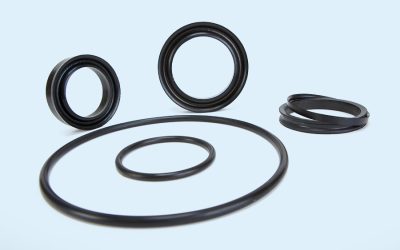
Elastomers, seals, and other sealing components can be affected by operating conditions, temperature, pressure, fluids, wear, and age. Maintaining appropriate replacement components can help reduce delays when sealing elements require service.
Hydraulic Components
Hydraulic components play an important role in operating BOP equipment. If a hydraulic component fails or requires replacement, obtaining the correct part quickly can be important to completing the repair and returning the equipment to service.
Other BOP Equipment Parts
Depending on the BOP system, additional components may include bonnets, connectors, body components, fasteners, valves, and other specialized hardware. The specific replacement requirements should always be determined based on the equipment configuration, manufacturer’s specifications, inspection findings, and applicable service requirements.
How Operators Can Reduce BOP Parts Delays
A proactive approach to BOP parts management can help operators reduce sourcing delays and keep maintenance activities on schedule. The following practices can make it easier to identify, source, and prepare critical replacement components before they become an urgent requirement.
| Best Practice | How It Helps Reduce Delays |
| Maintain Accurate Equipment Records | Keep model and serial numbers, part numbers, drawings, specifications, previous repairs, inspection reports, and maintenance history readily available to speed up identification of the correct replacement component. |
| Identify Critical Spare Parts | Determine which components are most important to equipment availability and maintain selected BOP spare parts in inventory to reduce reliance on emergency sourcing. |
| Work With an Experienced Supplier | An experienced BOP parts supplier can help identify compatible components, confirm specifications, and coordinate sourcing for specialized equipment. |
| Plan for Long-Lead Components | Identify parts with longer manufacturing or delivery times and plan procurement before scheduled overhauls, inspections, or maintenance activities. |
| Coordinate Parts With Maintenance Planning | Align replacement-part sourcing with inspection and maintenance schedules so potential replacement needs can be addressed before equipment is taken out of service. |
Taking these steps can make BOP parts procurement more predictable and give maintenance teams more time to address potential replacement needs. Maintaining accurate records and planning around known lead times can be especially valuable when working with critical well-control equipment.
For operators, the goal is not simply to have more parts on hand. It is to have the right components, specifications, and supplier support available when they are needed, helping reduce avoidable delays and support efficient BOP maintenance.
Quality Matters When Sourcing BOP Replacement Parts
Availability is important, but speed should not come at the expense of quality or compatibility. BOP components operate in demanding drilling environments and may be subject to significant pressure, mechanical loads, temperature variations, and repeated operation. Replacement components therefore need to meet the applicable equipment specifications and quality requirements. When sourcing blowout preventer replacement parts, operators should consider:
- Equipment compatibility
- Material specifications
- Dimensions and tolerances
- Pressure requirements
- Applicable standards
- Inspection and testing requirements
- Documentation and traceability
- Supplier experience
A component that arrives quickly but does not meet the required specifications can create additional delays rather than solving the original problem. Using an incompatible part may also affect equipment performance and require further inspection or replacement. Verifying specifications, compatibility, and quality before purchase helps operators avoid these issues.
Parts Availability and BOP Repair
BOP parts availability is closely connected to repair and remanufacturing decisions. During an inspection or repair, technicians may identify components that need replacement before the BOP can return to service. Having access to the appropriate parts can help keep the repair process moving.
In some cases, components may be repairable or suitable for remanufacturing rather than immediate replacement. The appropriate approach depends on inspection results, equipment condition, specifications, service requirements, and engineering evaluation. For this reason, repair teams and parts suppliers should coordinate closely when developing a BOP repair plan.
Building a More Reliable BOP Parts Strategy
A proactive parts strategy does not necessarily mean keeping every possible component in inventory. Instead, it means understanding the equipment, identifying critical components, monitoring maintenance requirements, and establishing reliable sourcing options.
Operators can strengthen their approach by reviewing equipment history, component criticality, expected lead times, equipment compatibility, supplier capabilities, and documentation requirements. This approach can make parts procurement more predictable and help maintenance teams respond more efficiently when replacement components are required.
The Role of BOP Parts Suppliers
A BOP parts supplier can provide more than individual components. For operators facing equipment maintenance or repair requirements, supplier capabilities may include parts identification, sourcing, manufacturing, inspection, testing, and technical support.
For critical equipment, the ability to respond quickly can be especially important when an unexpected component issue affects the maintenance schedule. BOP Products provides pressure-control equipment and aftermarket support, including BOP replacement parts and services designed to support demanding drilling applications. Working with an experienced supplier can help operators address replacement requirements while maintaining attention to equipment compatibility, quality, and operational requirements.
Choosing the Right BOP Service Option Requires Careful Evaluation
Choosing whether to repair, remanufacture, or replace a BOP requires careful consideration of equipment condition, inspection findings, operating history, service requirements, downtime, cost, and expected service life. Reviewing these factors together helps operators and drilling contractors select an approach that supports dependable equipment performance and well-control requirements.
As a provider of pressure control equipment and services, BOP Products delivers precision-engineered solutions designed to support safe drilling operations. With expertise in manufacturing, repair, inspection, and testing, the company helps operators maintain dependable blowout preventer systems and critical well control equipment under demanding drilling conditions.
Looking to improve drilling safety and well control performance? Contact us for reliable equipment solutions and expert support that help maintain safe, efficient, and compliant drilling operations.