Choosing the right oilfield equipment supplier is an important decision for any oil and gas operation. From drilling and well control to pressure management and equipment maintenance, reliable machinery and supporting services play a major role in keeping operations running safely and efficiently. The quality of equipment, its availability, and the level of support provided by a supplier can directly affect project schedules, operating costs, and equipment performance.
However, not every supplier offers the same products, quality standards, industry experience, or service capabilities. Some specialize in manufacturing, while others provide equipment rentals, repairs, maintenance, and technical support. Understanding these differences can help oilfield operators select a supplier that meets their operational requirements rather than making a decision based on price alone. Before choosing an oilfield equipment supplier, consider these five important factors:
Key Takeaways
- Check equipment quality and compliance with relevant industry standards
- Evaluate the supplier’s experience and reputation in the oil and gas industry
- Confirm product availability, delivery timelines, and rental options
- Look for dependable after-sales service and technical support
- Compare overall value, reliability, and long-term operational benefits
1. Check Equipment Quality and Reliability
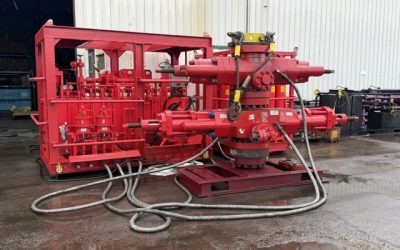
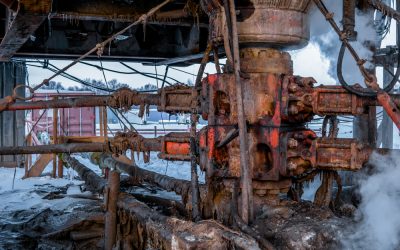
Equipment quality should be one of the first things to evaluate when comparing oilfield equipment suppliers. Drilling and well control operations often involve high pressure, demanding working conditions, and continuous equipment use. Poor-quality or unsuitable equipment can lead to unexpected failures, operational delays, and additional costs. Regular BOP inspections are also essential to identify potential equipment issues and maintain reliable well control.
Before selecting a supplier, consider the following:
- Product condition: Check whether the equipment is new, used, repaired, or remanufactured, and request relevant inspection records
- Material quality: Confirm that materials and components are suitable for the intended operating conditions
- Performance history: Ask about product reliability, testing procedures, and previous applications
- Equipment compatibility: Ensure the supplied equipment matches your existing systems and operational requirements
According to the Occupational Safety and Health Administration (OSHA), equipment used in drilling operations must be properly selected, installed, inspected, and maintained. Equipment should also meet the appropriate pressure ratings and be compatible with connected components.
A dependable oilfield equipment supplier should be able to explain product specifications, provide supporting documentation, and help customers identify equipment suitable for their applications.
2. Verify Industry Certifications and Quality Standards
Certifications are another important consideration when choosing an oilfield equipment supplier. They provide a way to assess whether a manufacturer or service provider operates under recognized quality and industry requirements.
The oil and gas industry uses standards developed by organizations such as the American Petroleum Institute (API) to establish requirements for different types of equipment and manufacturing activities. For example, API Specification 16A covers drill-through equipment, including ram and annular blowout preventers, ram blocks, and related components. API also publishes requirements covering the repair and remanufacturing of this equipment.
When evaluating a supplier, consider:
- Whether the manufacturer holds relevant API licenses or certifications
- Whether its quality management system meets applicable industry requirements
- Whether product inspection and testing records are available
- Whether certifications are current and applicable to the specific products or services being purchased
- Whether the supplier can provide traceability and supporting documentation when required
It is important to remember that a company’s certification does not automatically apply to every product it supplies. Always verify the certification scope, issuing organization, validity, and equipment covered. These checks help buyers make more informed decisions and select suppliers with documented quality processes.
3. Evaluate Product Availability and Delivery Timelines
Equipment availability can significantly influence drilling schedules and project planning. Delays in receiving essential components or replacement parts may interrupt operations, particularly when equipment is needed for an urgent repair or scheduled maintenance activity. A reliable oilfield equipment supplier should have a clear understanding of its inventory, manufacturing capabilities, and expected delivery timelines.
Before placing an order, ask:
- Is the required equipment currently available?
- What is the estimated manufacturing or delivery lead time?
- Are replacement parts readily available?
- Can the supplier support urgent equipment requirements?
- Does the supplier serve the locations where your operations are based?
It is also worth checking whether the supplier offers both equipment sales and rental options. Rental services can provide additional flexibility when operators need equipment for temporary projects, short-term requirements, or unexpected operational demands.
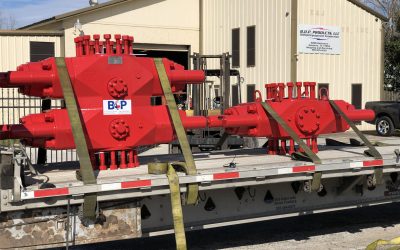
For example, BOP rental services can help operators access essential well control equipment without purchasing every item outright. However, buyers should always confirm equipment specifications, condition, inspection status, and availability before making rental arrangements. Choosing a supplier with dependable availability and realistic delivery commitments can make equipment procurement easier and help reduce avoidable project delays.
4. Consider Industry Experience and Reputation
Experience matters when selecting an oilfield equipment supplier because the supplier needs to understand the demands of the industry, not simply sell products. An experienced supplier is more likely to understand different drilling environments, equipment requirements, and the challenges associated with pressure control and well control operations.
Before working with a supplier, consider its:
- Industry experience: How long has the company operated in the oil and gas sector?
- Product knowledge: Does it understand the equipment it manufactures, supplies, or rents?
- Manufacturing capabilities: Can it demonstrate relevant production, machining, and quality control capabilities?
- Customer relationships: Does it have experience supporting drilling contractors, operators, and other oilfield companies?
- Service capabilities: Can it provide additional support such as equipment inspections, testing, repairs, or remanufacturing?
You can also evaluate a supplier’s reputation by reviewing its company history, customer feedback, project experience, and available references. A company with established industry experience and relevant capabilities can be a valuable long-term partner, particularly when equipment requirements change between projects.
5. Look for Rental, Repair, and Maintenance Support
Choosing an oilfield equipment supplier should involve more than evaluating the initial purchase. Equipment may require inspection, maintenance, repairs, or replacement throughout its service life. Working with a supplier that offers additional services can simplify equipment management and reduce the need to coordinate with multiple vendors.
Consider whether the supplier provides:
- Equipment rental for short-term and project-specific requirements
- Inspection and testing services
- Equipment repair and remanufacturing
- Replacement parts and components
- Technical assistance and after-sales support
These services can be particularly useful for companies managing multiple drilling projects or operating under demanding schedules. For example, if a blowout preventer requires attention, having access to a supplier that understands BOP equipment and offers relevant repair and testing capabilities can make the service process more straightforward. However, always confirm the scope of the services offered, applicable inspection requirements, turnaround times, and any limitations before agreeing.
6. Assess Customer Support and Communication
Good customer support is an important part of a successful supplier relationship. Even when a company offers quality products and competitive pricing, poor communication can create unnecessary difficulties during procurement and project execution. A dependable supplier should be responsive, transparent, and willing to understand your operational requirements.
Look for a supplier that:
- Responds to product and quotation inquiries promptly
- Provides clear information about specifications and availability
- Communicates realistic delivery schedules
- Explains warranty terms and service conditions
- Provides access to knowledgeable representatives
- Offers assistance when equipment-related questions arise
Communication is especially important when dealing with specialized equipment or urgent requirements. Buyers should be able to discuss their needs and receive clear information before making purchasing or rental decisions. A supplier that values long-term customer relationships can help make procurement more organized and predictable.
7. Compare Overall Value Instead of Just Price
Price is naturally an important factor when purchasing oilfield equipment. However, choosing the lowest-priced supplier does not always result in the best long-term value. Equipment that does not meet the required specifications, has limited documentation, or lacks adequate support may create additional expenses later. Instead of comparing quotations based only on the initial price, evaluate the complete offering.
Consider:
- Equipment quality and expected service life
- Compliance with applicable specifications and standards
- Inspection and testing documentation
- Delivery costs and estimated lead times
- Warranty coverage and service conditions
- Availability of replacement parts
- Repair, maintenance, and technical support
For rental equipment, also review rental duration, inspection records, service responsibilities, transportation costs, and other contractual conditions. A slightly higher initial investment may offer better overall value when it includes reliable equipment, appropriate documentation, dependable delivery, and responsive support. The objective should be to select an oilfield equipment supplier that meets your operational requirements while supporting cost-effective and reliable operations.
Common Mistakes to Avoid When Choosing an Oilfield Equipment Supplier
Even experienced buyers can overlook important details when evaluating oil and gas equipment suppliers. Avoiding a few common mistakes can help make the selection process more effective. Choosing a supplier based only on price: Low quotations should not outweigh equipment quality, specifications, documentation, and service capabilities.
Ignoring certification requirements: Always check whether the supplier’s certifications and licenses apply to the products or services you need. Overlooking equipment availability: Confirm actual inventory and realistic delivery schedules before committing to a supplier. Not checking after-sales support: Equipment-related requirements may continue after delivery, so understand what support is available.
Failing to confirm equipment compatibility: Ensure that the equipment meets your operating conditions and is compatible with the existing system. Not reviewing rental conditions: For rented equipment, clarify its condition, inspection status, responsibilities, and return requirements before signing an agreement. Taking time to evaluate these factors can help prevent procurement problems and establish more dependable supplier relationships.
Choose an Oilfield Equipment Supplier That Supports Your Operational Needs
Choosing the right oilfield equipment supplier requires careful consideration of product quality, industry certifications, equipment availability, company experience, customer support, and overall value. Evaluating these factors helps oil and gas companies identify suppliers that can meet their equipment requirements, support project schedules, and provide dependable solutions throughout the equipment lifecycle.
As a provider of pressure control equipment and services, BOP Products offers manufacturing, remanufacturing, equipment testing, inspections, and repair capabilities for oilfield applications. Through its dedicated rental division, PCP Rentals, the company also provides a range of well control and pressure control equipment to support different operational requirements.
Looking for a dependable partner for your oilfield equipment needs? Contact us to discuss your equipment requirements and explore the available manufacturing, rental, and service solutions for your operation.