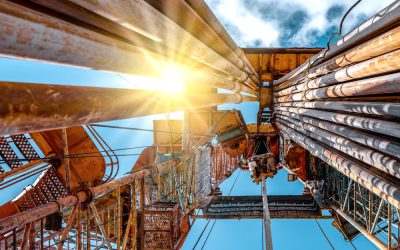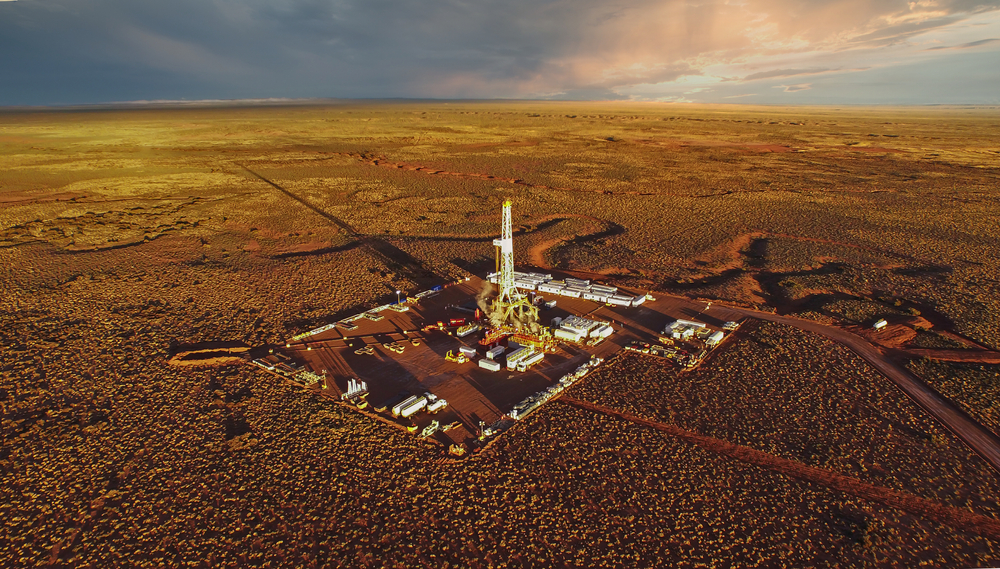
Oil and gas power industries, vehicles, and homes around the world. To meet growing demand, oil drilling and fracking work together to extract energy from deep underground. Traditional drilling reaches shallow wells, while unconventional extraction taps into shale formations filled with untapped potential. Both methods rely on precision, safety, and advanced technology to operate efficiently. With improved tools and cleaner systems, hydraulic fracturing continues to supply natural gas and oil responsibly while lowering its environmental impact.
What Is the Process of Fracking
Hydraulic fracturing, or fracking, extracts oil and natural gas trapped deep in shale rock. A drill rig creates wells that reach thousands of feet below the surface. Once drilled, fracking fluid (a mix of water, sand, and chemicals) is pumped into the rock at high pressure. This pressure cracks the shale, allowing hydrocarbons to flow freely to the surface. In short:
- High-pressure injection fractures shale rock
- Sand keeps the cracks open for consistent flow
- Oil and gas move through the well for collection
Fracking Step by Step: From Drilling to Production
Each step of fracking demands precision and strong safety controls. Here’s how it works from start to finish.
| Step | Process | Purpose |
| 1. Site Preparation | Surveying and setting up the drill site | Identify the best drilling location and minimize disruption |
| 2. Drilling | Boring vertical and horizontal wells | Create access points in shale |
| 3. Casing & Cementing | Lining wells with steel and cement | Protect groundwater and strengthen the well |
| 4. Fracturing | Injecting fluid to crack rock | Release hydrocarbons for collection |
| 5. Production & Flowback | Collecting oil and gas at surface | Recover and reuse fluids |
Do You Frack for Oil or Gas? Understanding Applications
Fracking is used for both. In oil drilling, it extracts liquid hydrocarbons like crude oil, common in areas such as the Permian Basin. In gas drilling, natural gas is produced from formations like the Marcellus Shale, using longer horizontal wells to reach gas trapped in tiny rock pores. Both applications increase production, reduce import reliance, and support global energy stability.
Environmental Impact and Safety Considerations
Fracking operations focus on safety and sustainability. Common environmental concerns include water use, air emissions, and waste management. To address these, operators recycle fracking fluid, reuse wastewater, and track emissions using advanced monitoring systems.
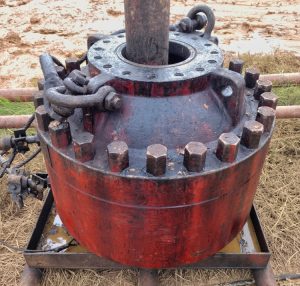
Safety equipment such as Blowout Preventers (BOPs) is critical. BOPs maintain pressure control and seal the well in emergencies. Regular inspections and maintenance ensure reliable, accident-free operations.
Innovation and the Future of Hydraulic Fracturing
The industry continues to advance with cleaner, more efficient fracking technology. These innovations help meet energy demand while reducing environmental impact. Modern solutions include:
- Low-water fracking fluid formulas
- Real-time data tracking for pressure and flow
- Closed-loop recycling systems
- Research into eco-friendly extraction methods
Frequently Asked Questions
What is hydraulic fracturing used for?
Hydraulic fracturing releases oil and natural gas from deep shale rock formations that traditional drilling cannot reach.
Is fracking safe for the environment?
Yes, when regulated and properly managed. Operators use recycling systems, emission controls, and strict monitoring to reduce environmental impact.
What’s the difference between fracking for oil and gas?
Oil fracking targets liquid hydrocarbons, while gas fracking focuses on extracting natural gas from porous shale layers.
The Importance of Precision and Control
Oil drilling and fracking drive progress in global energy. Through innovation and safety-focused design, operators keep improving how oil and natural gas are produced.
As oil field equipment suppliers in Houston, our team partners with energy producers to deliver dependable tools that protect workers and maintain well integrity. Quality equipment ensures performance, safety, and long-term reliability across every project.
Ready to enhance your drilling site? Contact us today for a quote and learn how the right safety systems can strengthen your next oil or gas project.