Emergency shutoff systems for oil rigs are essential for safe operations. These systems are designed to stop equipment quickly when a problem is detected. This helps prevent accidents, protect workers, and reduce environmental damage.
Offshore drilling environments are complex and high-risk. Even small issues can escalate quickly if not controlled. A reliable emergency shutdown system (ESD) ensures fast response and keeps operations safe.
These systems also support overall operational efficiency by minimizing downtime during emergencies. By quickly isolating problem areas, they help maintain control and reduce the impact of unexpected failures. This makes them a critical part of modern oil rig safety systems.
Key Takeaways
- Emergency shutoff systems help prevent major accidents on oil rigs
- ESD systems in oil and gas operations respond automatically to hazards
- Sensors, valves, and control systems work together to stop operations
- Regular maintenance improves system reliability and safety
- These systems support offshore safety and regulatory compliance
What Are Emergency Shutoff Systems?
An emergency shutdown system (ESD) is designed to stop operations during unsafe conditions. It detects problems such as pressure spikes, gas leaks, or equipment failure. Once triggered, it shuts down critical systems to prevent damage. These systems are a core part of oil rig safety systems. They help maintain control during emergencies and reduce the risk of serious incidents.
Why Emergency Shutoff Systems Matter on Oil Rigs
Oil rigs operate under extreme pressure and hazardous conditions, where even a small failure can escalate quickly. High temperatures, flammable materials, and complex machinery create an environment where safety systems are not optional but essential. Without the right safeguards in place, minor issues can turn into serious incidents that threaten both people and operations.
Emergency shutoff systems play a critical role by automatically stopping operations when something goes wrong. They help isolate dangerous processes, reduce pressure buildup, and limit the spread of hazardous materials. This quick response protects workers, prevents damage to expensive equipment, and reduces the risk of environmental harm.
By minimizing the impact of unexpected failures, these systems also help prevent large-scale accidents such as explosions and oil spills. They provide an added layer of control in situations where every second matters. In high-risk environments like oil rigs, having reliable emergency shutoff systems in place is a key part of maintaining safety and operational stability.
Key Components of Emergency Shutdown Systems
Emergency shutdown systems include several components that work together. Each part plays a key role in detecting issues and stopping operations.
Sensors
Sensors monitor pressure, temperature, and flow levels across the system. They detect abnormal conditions and send signals to the control system. This allows a fast and accurate response.
Emergency Shutdown Valves
Emergency shutdown valves stop the flow of oil or gas during a failure. They isolate sections of the system to prevent further damage. Quick valve response is critical for safety.
Control Systems
Control systems process data from sensors and activate shutdown procedures. They automate the response and reduce reliance on manual action. This improves speed and accuracy during emergencies.
Communication Systems
Communication systems send alerts to operators and crew members. This ensures everyone is informed and can respond quickly. Clear communication improves coordination and safety.
Role of ESD Systems in Oil and Gas Safety
Emergency Shutdown (ESD) systems in oil and gas operations are built for immediate, automatic response when abnormal conditions are detected. In environments where pressure, temperature, and flow rates must be tightly controlled, even a short delay can increase risk. ESD systems reduce the time between detection and action by triggering shutdown procedures within seconds, helping contain issues before they escalate into major incidents.
These systems are integrated across critical parts of an operation, including drilling, processing, and transportation. They monitor key parameters such as pressure levels, gas leaks, and equipment performance, and initiate shutdowns when thresholds are exceeded. By isolating sections of the system and stopping the flow of hazardous materials, ESD systems limit damage and protect both personnel and infrastructure.
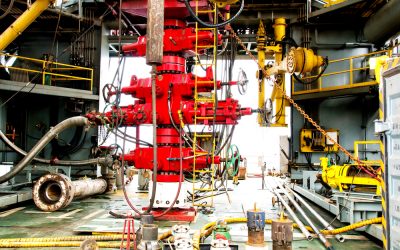
ESD systems also work alongside blowout prevention systems by helping manage pressure and flow during critical situations. While blowout preventers control well pressure directly, ESD systems support overall operational safety by shutting down related processes and reducing system strain. Together, they create a layered safety approach that strengthens risk management and improves reliability across offshore and onshore operations.
Importance of Rig Safety Shutdown Procedures
Rig safety shutdown procedures define how systems and personnel respond during emergencies. In high-risk environments, quick and accurate action is critical, and clear procedures ensure shutdowns happen in a controlled and safe manner. This reduces confusion and helps prevent minor issues from turning into major incidents.
These procedures outline key steps for stopping operations, isolating equipment, and securing the site. They also assign clear roles to crew members, improving coordination and response time. With proper training and adherence to standards, shutdown procedures support safety, compliance, and overall operational reliability.
Maintenance and Testing of Emergency Systems
Regular maintenance is essential for emergency shutoff systems to remain reliable in high-risk environments. Over time, components can wear out, sensors may lose accuracy, and connections can weaken. Routine inspections help identify these issues early, allowing teams to address them before they lead to system failure. This proactive approach ensures the system is always ready to respond when needed.
Testing is just as important as maintenance. It verifies that all components, including sensors, valves, and control systems, function correctly under real conditions. Scheduled testing also helps confirm that shutdown sequences are triggered properly and within the required time frame.
A well-maintained and regularly tested system reduces the chances of unexpected failures during critical moments. It improves overall safety, protects equipment, and supports compliance with industry standards. In environments like oil and gas operations, this level of reliability is essential for minimizing operational risks.
Enhancing Offshore Safety Systems
Emergency shutoff systems are a key part of offshore safety systems, providing immediate response when conditions become unsafe. However, they are most effective when integrated with other safety components such as alarms, sensors, monitoring tools, and control systems. These technologies work together to detect issues early and trigger the right actions before risks escalate.
By combining multiple safety layers, operators create a more resilient system that can handle a range of potential hazards. Monitoring tools identify abnormal conditions, alarms alert the crew, and emergency shutoff systems act to contain the situation. This coordinated response reduces the chances of equipment failure, environmental damage, and safety incidents.
A well-integrated safety framework improves both prevention and response. It allows teams to act quickly, maintain control during emergencies, and minimize downtime. Over time, this approach leads to safer operations, better compliance with regulations, and a more reliable offshore working environment.
Maintaining Reliable Emergency Shutoff Systems
Reliable emergency shutoff systems are essential for safe and efficient oil rig operations. Regular inspections, system testing, and proper maintenance reduce the risk of system failure and ensure consistent shutdown performance in critical conditions.
As a company focused on blowout prevention equipment, BOP Products LLC supports offshore safety through reliable pressure control solutions that work alongside emergency shutdown systems. Its equipment is built to meet strict industry standards for performance and durability in demanding environments. With experienced technicians and advanced engineering, the company helps maintain system integrity and supports safe, dependable operations offshore.
Looking to improve the reliability of your emergency shutoff systems for oil rigs and prevent costly downtime? Contact us to access expert support and technical solutions. Our team provides reliable systems to help maintain safe and efficient offshore operations.