It’s crucial that you have a well-control system in place when working with high-pressure drilling operations. You can reduce your risk of a blowout by taking preventive measures and following control procedures.
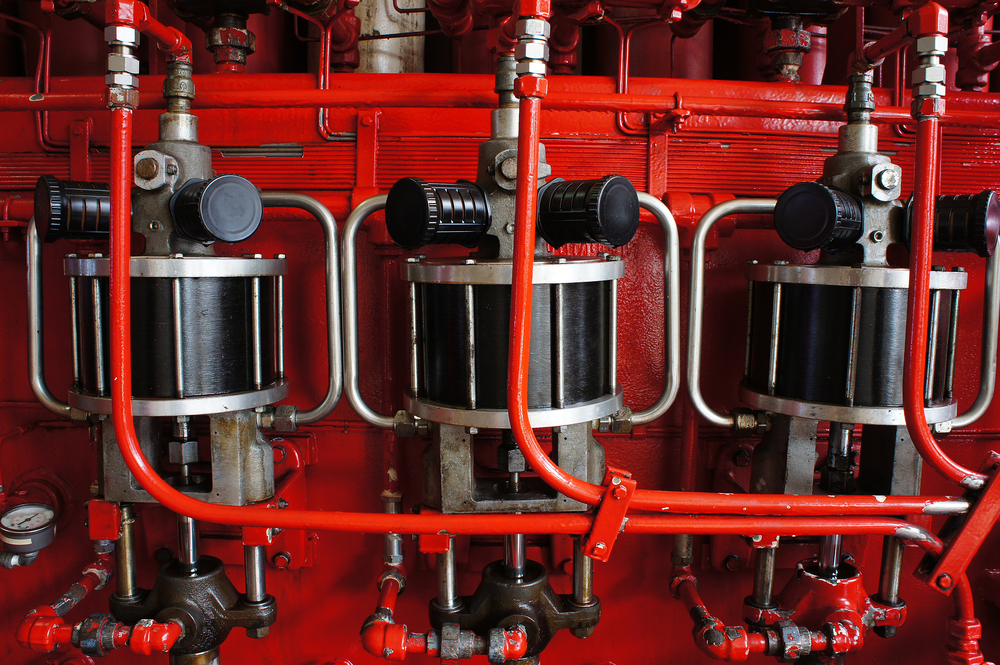
A well-control system needs to be in place for drilling applications to catch a blowout before it begins. Share on XThe well-control system detects kicks in the wellbore and circulates the well under pressure to remove the formation of fluids and increase the mud density.
Warning Signs of a Kick in the Wellbore
Any oilfield operator knows the importance of balancing the amount of fluid in the wellbore at all times. If the amount of drilling fluid suddenly increases for no apparent reason, that’s a sign that something is very wrong and a kick is occurring. Know the warning signs of a kick in the wellbore gives you time to take action and prevent a blowout.
Preventing Well Blowouts
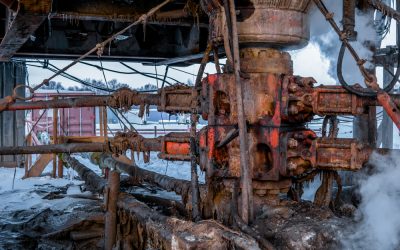
There are plenty of ways to prevent well blowouts before they occur. Keep BOPs in good condition by using a downhole magnet to remove metal fragments and clean out the mud to reduce the risk of a leak or escaping pressure. You’ll also need to understand how it is your equipment behaves in extreme conditions. You can do this by running various computer simulations of different scenarios. Finally, be ready for any emergency by ensuring everyone at the worksite knows the proper safety procedures at all times.
Buying a Blowout Preventer
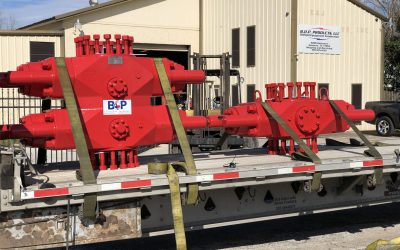
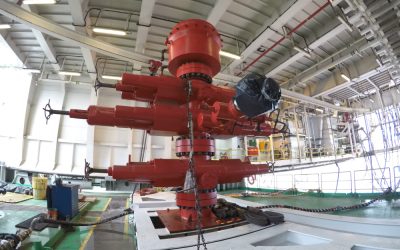
Before you purchase a blowout preventer (BOP), you’ll want to know which type will best suit your application. There are annular blowout preventers and ram blowout preventers to choose from which each plays its own important roles. Whether you need a BOP for a long-term project or for immediate needs, new or used parts and equipment are readily available for your industry. Aftermarket BOPs are also a cost-effective solution to consider.
Pro Tip: Multiple BOPs with different purposes are used in a well. This arrangement is called a BOP stack.
Conclusion
Make sure your employees have the necessary control equipment and well-control training needed to know what to do in the event of a controllable kick happening. The best approach to handling a blowout is to make sure it doesn’t happen in the first place.
Join the conversation to learn more about preventing blowouts with the well-control system.